Why Dental Clinics Lose Patients to Faster Practices
New patients call 2-3 practices and book with whoever answers. With $2,500-$15,000 LTV, every missed call costs real revenue.
TL;DR: The average dental practice misses 35% of incoming calls, and 65% of those missed calls come from potential new patients. With patient lifetime values between $7,000 and $10,000, even five missed new-patient calls per week can cost a practice $200,000+ annually. Practices that respond within 5 minutes convert at dramatically higher rates than those that call back hours later.
Why Dental Clinics Lose New Patients to the Practice That Answers First
When a new patient has a toothache at 7 PM, they don't leave one voicemail and wait. They search "dentist near me," call the top three results, and book with whoever picks up first. Research shows that dental practices miss an average of 35% of incoming calls, and 65% of those missed calls come from potential new patients seeking dental services (Source: Resonate / Peerlogic). The result? Hundreds of thousands in lost lifetime revenue flowing to the competitor who simply answered the phone. The solution isn't hiring more front desk staff—it's ensuring every inquiry gets an instant response, 24 hours a day.
What Is Instant Patient Response for Dental Practices?
Instant patient response means every inquiry—phone call, website chat, WhatsApp message, or social media DM—receives an immediate, intelligent reply regardless of the time of day, day of the week, or how busy your front desk is.
Unlike a simple voicemail system or basic online form, modern AI-powered patient communication platforms can:
- Answer common questions about insurance acceptance, office hours, and services offered
- Book appointments directly into your practice management system
- Collect new patient information including dental history, insurance details, and chief complaint
- Route emergencies to your on-call staff immediately
- Follow up automatically with patients who inquired but didn't book
This goes far beyond what a traditional phone tree or answering service provides. An AI chatbot designed for dental practices understands dental terminology, knows your office policies, and can hold a natural conversation that feels like talking to a knowledgeable AI receptionist.
The difference between traditional approaches and AI-powered response is stark: answering services take messages and promise callbacks, while AI assistants actually resolve the patient's need in real time—booking the appointment, answering the insurance question, or providing the directions they need.
Why Dental Practices Lose New Patients
The "First to Answer" Patient Shopping Behavior
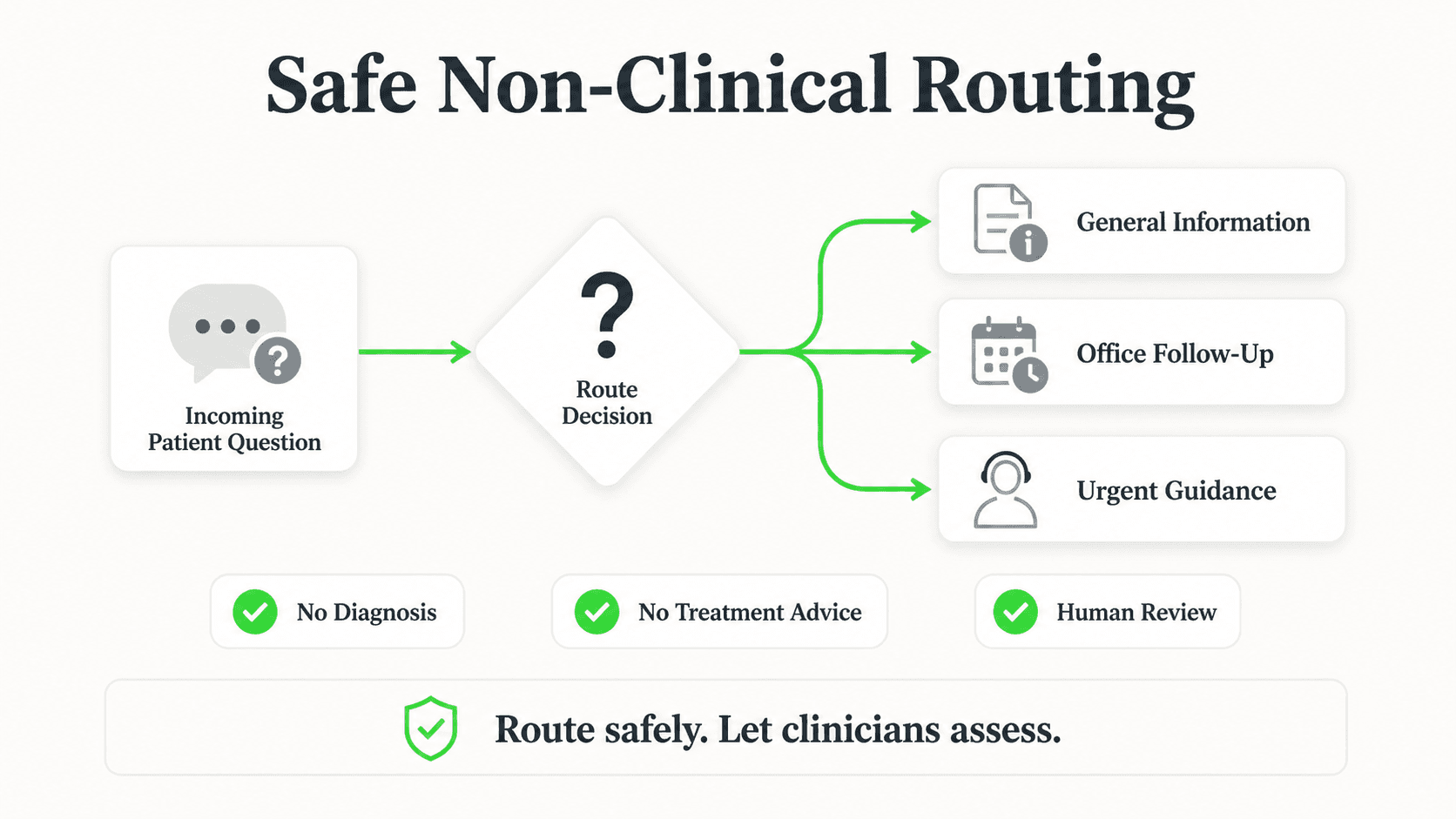
New dental patients are comparison shoppers. Unlike existing patients who have loyalty to your practice, prospective patients searching for a new dentist typically contact 2-3 practices before making a decision. Research from DCM Moguls shows that 17% of patients book within the first minute of contact, 55% book within 5 minutes, and 64% book within 10 minutes. After 10 minutes, very few leads convert at all.
This means the practice that answers first wins the patient—not the practice with the best reviews, the fanciest office, or the most experienced dentist. Simply being available is the single biggest competitive advantage in new patient acquisition.
The Missed Call Epidemic During Business Hours
Even during office hours, dental practices miss a staggering number of calls. Research from Peerlogic and Resonate shows that dental practices miss an average of 300 calls monthly—roughly 10 per day. Some practices experience missed call rates as high as 68% during peak hours.
Why? Your front desk team is simultaneously checking in patients, verifying insurance, processing payments, answering questions from patients in the waiting room, and handling phone calls. During procedures, the phone rings unanswered. During lunch breaks, calls go to voicemail. During the rush before closing, new patient calls get pushed to "we'll call them back tomorrow."
The After-Hours Revenue Gap
Roughly 40% of dental inquiries come outside of standard business hours. Patients search for dentists in the evening after work, on weekends when they notice a problem, and early in the morning before their day starts. Every one of these inquiries that hits a voicemail is a patient who will likely move on to a practice with 24/7 availability.
The math is straightforward: if your practice receives 20 after-hours inquiries per week and converts even 30% to new patients, that's 6 new patients weekly. At an average lifetime value of $7,000-$10,000, that's $42,000-$60,000 per week in potential lifetime revenue left on the table.
The High Cost of Patient Acquisition Wasted
The average dental practice spends $150-$300 to acquire a single new patient through marketing channels like Google Ads, SEO, direct mail, and social media (Source: Dentplicity / Dr. Marketing). When that marketing investment successfully drives a phone call or website inquiry—and nobody answers—you've burned that acquisition cost entirely.
Consider this: if your practice spends $5,000 per month on marketing and generates 40 new patient inquiries, each inquiry cost you $125. If you miss 35% of those calls, you're wasting $1,750 per month—$21,000 per year—on marketing that generates leads your team never captures.
Competition Density Is Only Increasing
There are over 200,000 active dentists across approximately 130,000 dental practices in the United States (Source: ADA Health Policy Institute). In urban and suburban areas, patients typically have 10-20 dental practices within a 5-mile radius. The competition for new patients has never been more intense, and it's getting worse as DSOs (Dental Service Organizations) enter markets with sophisticated marketing and technology stacks that independent practices struggle to match.
The Real Competition
Your biggest competitor isn't the practice with better clinical skills. It's the practice with better response systems. When two qualified dentists compete for the same patient, the one who answers first wins—regardless of Yelp ratings, years of experience, or office amenities.
7 Ways Missed Calls Cost Your Dental Practice
1. Direct Revenue Loss from Unbooked Appointments
What this looks like in practice: A potential patient calls about a crown they've been putting off. They call your practice at 11:30 AM—your front desk is checking out the morning's patients, confirming afternoon appointments, and processing insurance claims. The call goes to voicemail. The patient calls the next practice on Google, gets a live answer, and books for next week.
Real-world impact: Each missed new patient call represents $700-$1,250 in first-year revenue and $7,000-$10,000 in lifetime value (Source: Darkhorse Tech / Wonderful Dental). If your practice misses just 5 new patient calls per week, that's $260,000-$520,000 in annual lifetime revenue walking out the door.
Why it matters: Unlike a retail purchase where the customer might come back, dental patients who book with another practice rarely switch. Once they've had their first appointment, built rapport with the hygienist, and entered into a recall cycle, you've lost them permanently.
Key factors:
- Average first-year patient spend: $700-$1,250
- Average patient retention: 7-10 years
- Referral value: Each satisfied patient refers 2-3 additional patients over their lifetime
- Cost to acquire a replacement patient: $150-$300
2. Wasted Marketing Spend
What this looks like in practice: Your practice invests in Google Ads targeting "emergency dentist near me." The ads work—you get 15 clicks and 8 phone calls. But 3 of those calls come during lunch, 2 come after hours, and 1 comes while both front desk staff are helping patients. You answer 2 out of 8 calls. Your cost per acquisition just went from $125 to $500.
Real-world impact: Research shows that dental practices should spend 4-7% of annual revenue on marketing (Source: Vizisites / Dr. Marketing). For a practice producing $1 million annually, that's $40,000-$70,000 in marketing spend. If 35% of the resulting leads go unanswered, you're effectively wasting $14,000-$24,500 per year.
Why it matters: Marketing ROI calculations assume lead capture. When you calculate your cost per new patient and it seems high, the problem often isn't your marketing—it's your phone answer rate. Before increasing your ad spend, fix your response rate.
Key factors:
- Average dental PPC cost per click: $3-$8
- Average conversion rate from click to call: 5-15%
- Average missed call rate: 35%
- Net effect: Marketing costs 50%+ more than they should
3. No-Show Cascade from Poor Initial Experience
What this looks like in practice: A new patient calls, doesn't get through, and leaves a voicemail. Your team calls back 4 hours later. The patient books, but their first impression of your practice is already one of unavailability and delay. When their appointment day arrives and they're feeling lazy about going, that weak first impression makes it easy to skip.
Real-world impact: Practices with poor initial response experiences see no-show rates 15-20% higher than those with immediate engagement. The average dental no-show rate is already 15%, costing practices $105,000+ annually (Source: Arini / Maxillo Dental). Poor first impressions make this worse.
Why it matters: The initial interaction sets the tone for the entire patient relationship. Patients who feel valued from the first contact are more likely to keep appointments, accept treatment plans, and refer friends.
Key factors:
- Average dental no-show rate: 15%
- Cost per no-show: $200-$400 in lost production
- Patients who had poor first contact: 2x more likely to no-show
- Cascade effect: One no-show disrupts your entire day's schedule
4. Emergency Patients Lost to Urgent Care or ER
What this looks like in practice: A patient chips a tooth on Saturday morning. They call your office—voicemail. They call another local dentist—voicemail. In frustration, they visit an urgent care center or ER, get a temporary fix, and never become your patient. Or worse, they find a practice with weekend availability and switch permanently.
Real-world impact: Emergency patients are among the highest-value new patients. They need immediate care (high first-visit revenue), often need follow-up treatment (crowns, root canals), and are highly likely to become long-term patients because you "saved" them. Losing emergency inquiries has an outsized financial impact.
Why it matters: Emergency inquiries typically happen outside business hours—evenings, weekends, and holidays. These are exactly the times when your phone goes to voicemail. An AI-powered response system that can route emergencies to your on-call staff, provide immediate guidance on next steps, and schedule the next available appointment captures this high-value patient segment.
Key factors:
- Emergency patients' first-visit revenue: $300-$800
- Follow-up treatment value: $1,000-$5,000
- Conversion rate when answered immediately: 80%+
- Conversion rate on callback: Under 30%
5. Referral Chain Breakage
What this looks like in practice: Your best patient, Mrs. Johnson, tells her neighbor about your practice. The neighbor calls that afternoon. Nobody answers. The neighbor tells Mrs. Johnson, "I tried calling your dentist but couldn't get through." Mrs. Johnson feels embarrassed and is less likely to refer future patients. You've lost not just one patient—you've damaged your referral pipeline.
Real-world impact: Referral patients are the most valuable type of new patient. They arrive pre-sold on your practice, have higher treatment acceptance rates, and cost essentially nothing to acquire. When a referral can't get through to your office, you lose the patient AND reduce future referrals from the referring patient.
Why it matters: Word-of-mouth referrals remain the top source of new patients for most dental practices. Each satisfied patient refers an average of 2-3 patients over their lifetime. When the referral experience fails, the ripple effect is devastating—the referred patient is lost, future referrals from that source dry up, and your practice reputation suffers.
Key factors:
- Referral patient acquisition cost: Near $0
- Referral patient lifetime value: Typically 25% higher than marketing-acquired patients
- Referral rate impact: One bad referral experience reduces future referrals by 50%+
- Net referral value per patient: $15,000-$25,000 over a decade
6. Online Review and Reputation Damage
What this looks like in practice: A frustrated prospective patient who couldn't reach your office leaves a negative Google review: "Called three times and never got through. Found a dentist who actually answers their phone." That one review is now visible to every future patient who searches for your practice—and 94% of patients say online reviews influence their choice of dental provider. If a review like this is already live, reply calmly and move the conversation offline; our free review response generator drafts replies that never confirm the reviewer is a patient.
Real-world impact: Negative reviews about accessibility and responsiveness are particularly damaging because they suggest a systemic problem, not a one-time issue. Prospective patients reading "they never answer the phone" will hesitate to call, reducing the effectiveness of all your other marketing efforts.
Why it matters: You can recover from a negative review about a long wait time or a billing error. It's much harder to recover from a pattern of reviews suggesting you're unresponsive. Response-related complaints signal to prospective patients that they'll be treated poorly before they even walk through the door.
Key factors:
- Patients reading online reviews before choosing a dentist: 94%
- Impact of one negative review: Deters approximately 22% of prospects
- Impact of three negative reviews: Deters approximately 59% of prospects
- Reviews mentioning "can't reach" or "never answer": Among the most damaging
7. Staff Burnout and Turnover
What this looks like in practice: Your front desk team is overwhelmed. They're answering phones while checking patients in, fielding insurance questions, and managing the schedule. Calls stack up. Patients in the waiting room get frustrated. Staff feel pulled in every direction. Eventually, your best receptionist quits, citing burnout. Hiring and training a replacement takes 3-6 months.
Real-world impact: The average cost to replace a dental front desk employee is $3,000-$5,000 in recruiting, hiring, and training costs, plus months of reduced productivity during onboarding. High turnover means your practice is perpetually in "catch-up" mode, missing more calls and losing more patients.
Why it matters: The phone problem isn't just a technology problem—it's a people problem. Overloaded front desk staff make more mistakes, provide worse patient experiences, and leave faster. Automating routine inquiries and appointment scheduling lets your team focus on in-office patient care rather than playing phone tag.
Key factors:
- Average front desk turnover in dental: 25-30% annually
- Cost to replace: $3,000-$5,000 per employee
- Training period: 3-6 months to full productivity
- Impact on patient experience: Significant during transition periods
Stop Losing Patients to Missed Calls
Hyperleap AI helps dental practices respond to every patient inquiry instantly — on your website, WhatsApp, Instagram, and Facebook Messenger. No missed calls. No lost patients.
See How It WorksReal Results: What Dental Practices Are Achieving
Revenue Recovery
Practices that implement instant response systems typically report:
- $150,000-$300,000 in recovered annual revenue from previously missed inquiries
- 40-60% reduction in missed patient calls and messages
- 20-35% increase in new patient bookings within the first 90 days
- 2-3x improvement in after-hours lead capture rates
Efficiency Gains
The operational improvements are equally significant:
- 2-3 hours daily freed from phone-based appointment scheduling
- 50% reduction in front desk call volume for routine questions
- 80% of common questions handled automatically (insurance, hours, directions, services)
- Immediate routing of emergency inquiries to appropriate staff
Patient Satisfaction
The patient experience improvements drive long-term practice growth:
- Zero wait time for initial response to inquiries
- 24/7 availability matches modern patient expectations
- Consistent information delivered every time, reducing errors
- Multi-channel access — patients communicate via their preferred platform
Competitive Advantage
Practices using instant response gain measurable market advantages:
- First-mover advantage in capturing comparison shoppers
- Higher Google rankings from improved engagement signals
- Better online reviews from positive first-contact experiences
- Stronger referral pipeline from reliable accessibility
Implementation Roadmap for Dental Practices
Phase 1: Audit Your Current Response (Week 1)
Before implementing any solution, understand your baseline:
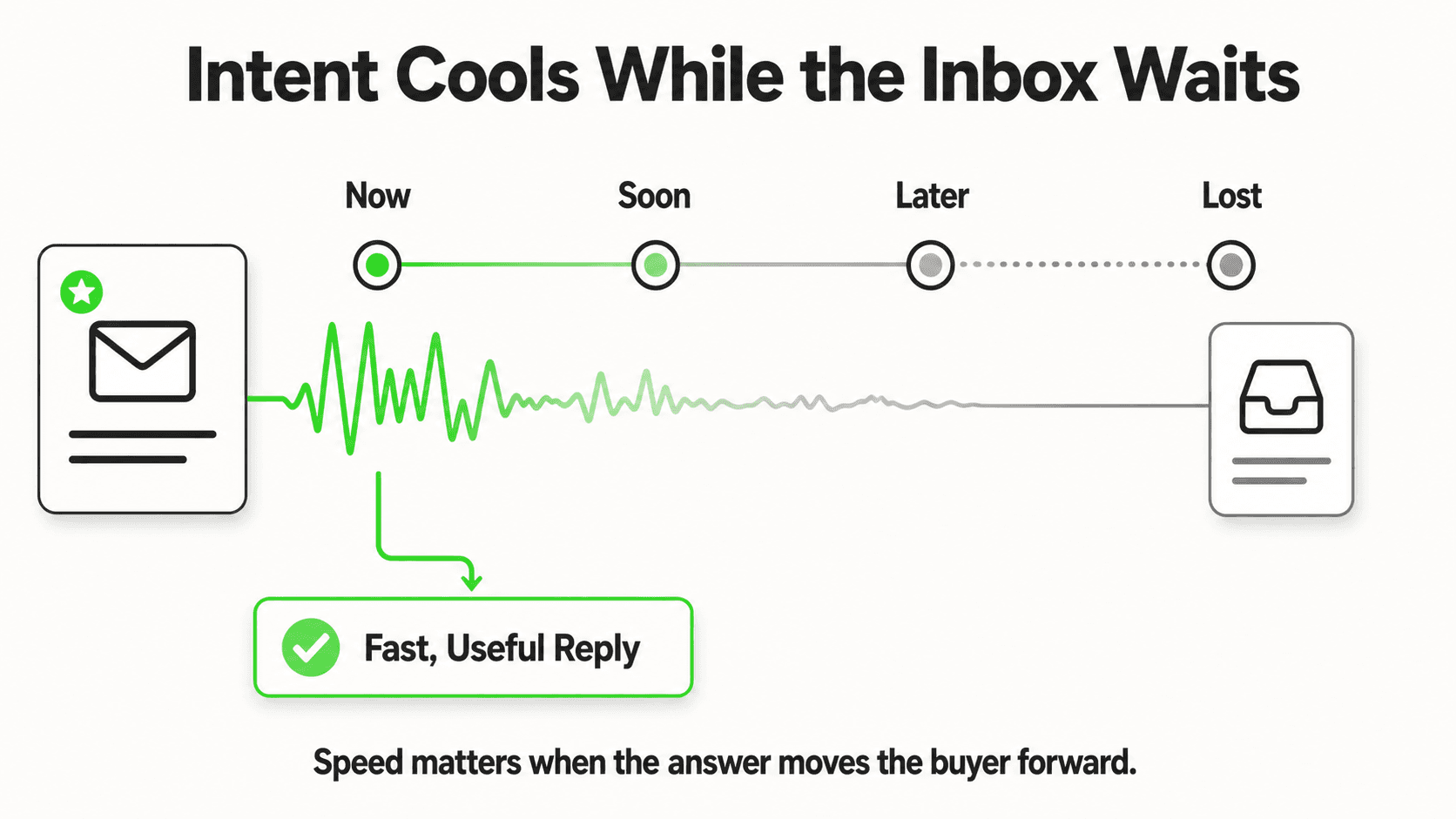
- Track your missed call rate for one week. Most practice management systems and phone providers can report this. The average is 35%, but you may be surprised at your actual number.
- Measure your response time for callbacks. How long does it take your team to return a missed call? Same day? Next morning? Never?
- Calculate your cost of missed calls using this formula: (Missed calls per month) x (% likely new patients, typically 65%) x (Average patient lifetime value). Even conservative estimates are eye-opening.
- Identify peak missed-call times — lunch hours, early morning, end of day, and after hours are typical.
Phase 2: Deploy Automated Response (Weeks 2-3)
Start with the channels that matter most:
- Website chat — Capture visitors who are actively browsing your site. An AI chatbot on your website can answer questions, collect patient information, and schedule appointments 24/7.
- After-hours messaging — Ensure every after-hours inquiry gets an immediate, helpful response instead of a voicemail.
- Common question automation — Insurance acceptance, office hours, parking directions, new patient forms—automate the questions that consume the most front desk time.
Phase 3: Expand and Optimize (Weeks 4-8)
Once your basic system is working:
- Add channels — WhatsApp, Instagram DM, and Facebook Messenger based on where your patients communicate.
- Evaluate PMS connectivity — Look for platforms that connect to your practice management system (Dentrix, Eaglesoft, Open Dental) so appointment requests flow directly into your schedule. Verify integration depth with any vendor before committing.
- Set up recall automation — Automated outreach to patients due for their next cleaning or overdue for care.
- Track and measure — Monitor new patient conversion rates, response times, and appointment booking rates weekly.
Start Small, Scale Fast
You don't need to automate everything at once. Start with after-hours website chat and common question handling. Most practices see immediate ROI from just these two capabilities, which builds confidence to expand further.
Frequently Asked Questions
Is an AI chatbot HIPAA-compliant for dental practices?
It depends on how the chatbot is used. If patient health information flows through the chat itself, you need a vendor that signs a Business Associate Agreement (BAA), encrypts data end to end, and provides audit logging. But most of the high-value dental use cases — office hours, insurance plans accepted, new-patient questions, booking requests — don't involve protected health information at all. Hyperleap AI takes this non-PHI approach: a lead form collects contact details before the chat starts, answers come from your practice documents, and anything clinical is routed to your team through your existing secure channels. Hyperleap AI does not sign BAAs, so if you need PHI handled in-chat, choose a BAA-covered vendor for that workflow.
How much does an AI patient response system cost compared to hiring staff?
AI patient response systems typically range from $40 to $200 per month depending on features and volume, compared to $30,000-$45,000 annually for a full-time receptionist. Even at the highest tier, you're paying roughly $2,400 per year versus $35,000+ for an employee—a savings of over 90%. The AI system also works 24/7 with no sick days, no lunch breaks, and no turnover. See current pricing for specific plan details.
Can AI integrate with my practice management software like Dentrix or Eaglesoft?
Most modern AI communication platforms are designed to integrate with leading dental practice management systems including Dentrix, Eaglesoft, and Open Dental. Integration can range from basic (sending appointment information via email for manual entry) to advanced (real-time two-way sync for scheduling, patient records, and insurance verification). When evaluating platforms, ask specifically about the depth of PMS integration and whether it requires additional middleware.
Will patients know they're talking to an AI and not a real person?
Transparency is important and recommended. Most practices disclose that patients are interacting with an AI assistant, and patient acceptance is typically very high—especially when the AI resolves their need immediately rather than asking them to "leave a message and we'll call you back." Research shows that patients prefer an AI that answers instantly over a human who calls back hours later. The key is that the AI provides helpful, accurate responses that feel natural and knowledgeable.
How long does it take to set up an AI chatbot for my dental practice?
Most dental AI chatbots can be deployed within 1-2 weeks. The process typically involves: importing your practice information (services, insurance accepted, office hours, policies), connecting your scheduling system, customizing the conversation flow for your practice's specific needs, and testing before going live. Many practices see their first AI-booked appointment within days of launch. Get started here to see the typical onboarding timeline.
What happens when the AI can't answer a patient's question?
Well-designed AI chatbots have escalation protocols built in. When a question is too complex or requires clinical judgment, the AI can: collect the patient's contact information for a staff callback, route the inquiry to a specific team member via email or notification, provide general information while noting that staff will follow up with specifics, or in the case of emergencies, provide your emergency contact number immediately. The goal is that no patient inquiry goes unaddressed, even if the AI can't fully resolve it.
Winning the First-Response Race Starts Now
The dental industry is in the middle of a fundamental shift. Patients expect instant communication—the same speed they get from Amazon, Uber, and every other modern service. Practices that meet this expectation will thrive. Those that rely on voicemail and next-day callbacks will gradually lose market share to more responsive competitors.
The good news: implementing instant patient response is neither expensive nor complicated. The technology exists today, the ROI is clear, and the competitive advantage is significant for early adopters.
Every missed call is a patient choosing someone else. Every delayed response is revenue walking out the door. And every voicemail that says "we'll call you back during business hours" is an invitation for the patient to keep looking.
The practice that answers first wins. Make sure that practice is yours.
Can the chatbot diagnose or assess dental issues?
No — and it should not. Hyperleap is configured to capture symptom information and route to your clinical team. It does not make clinical assessments or provide medical advice. This scope discipline is what keeps the deployment compliant and trustworthy.
How does emergency routing work?
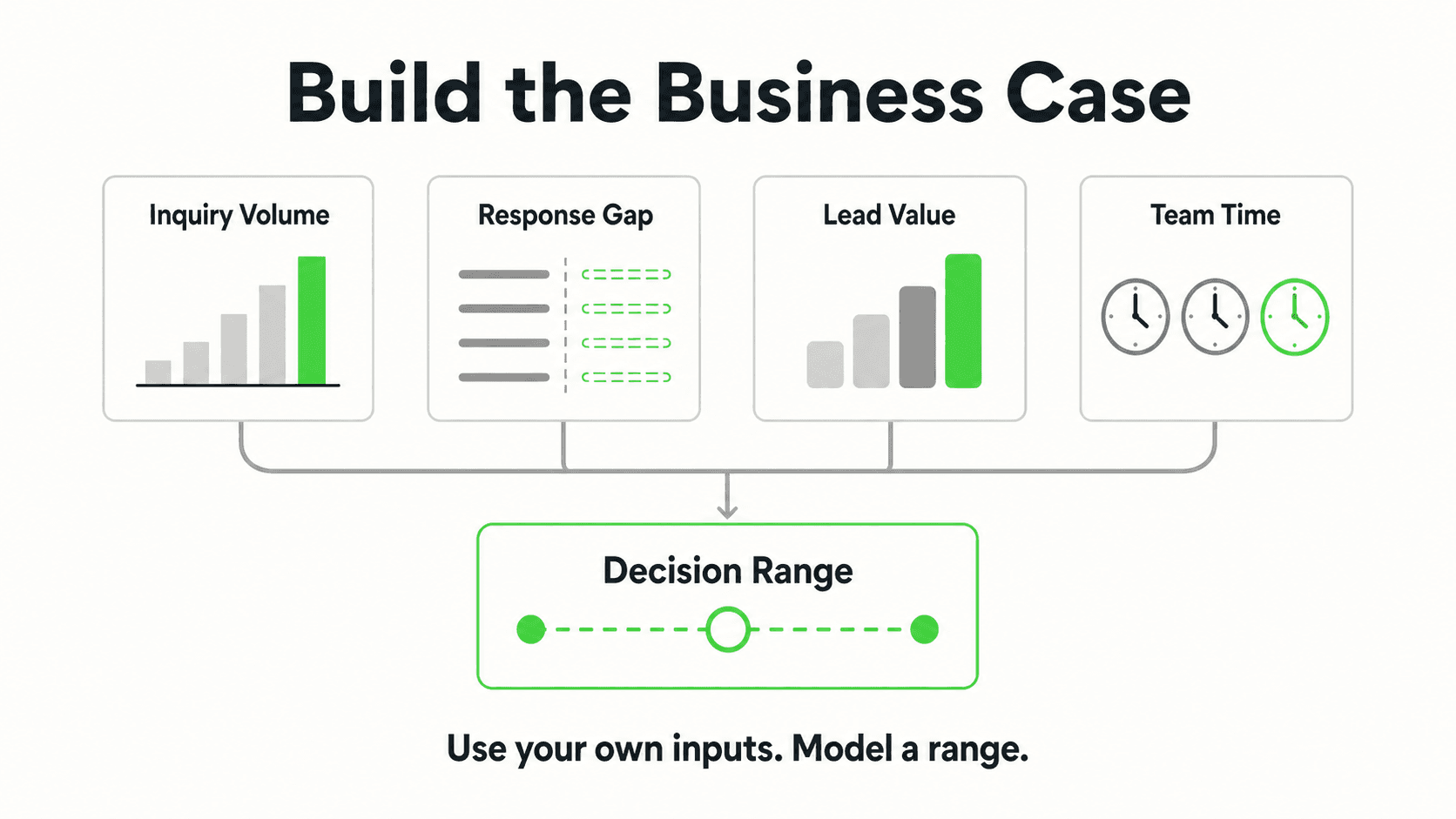
The bot detects emergency keywords (knocked-out tooth, severe pain, swelling, bleeding) and routes immediately to your designated emergency contact — phone number, on-call dentist, or after-hours line — rather than scheduling a regular appointment.
Is the chatbot HIPAA-compliant for patient information?
For HIPAA-covered workflows (PHI handling, EHR integration), pair the chatbot with your existing HIPAA-compliant systems and configure scope to capture identifiers only when needed. Hyperleap routes — it does not store full medical records. Work with your compliance team for your specific configuration.
Further Reading
Authoritative external sources used and recommended for further research on this topic:
- American Dental Association practice resources
- ADA Health Policy Institute research
- HIPAA Privacy Rule (HHS.gov)
Ready to Answer Every Patient Inquiry Instantly?
Hyperleap AI gives your dental practice 24/7 instant response on website, WhatsApp, Instagram, and Facebook Messenger. Capture every new patient, reduce no-shows, and grow your practice.
Get StartedIndustry Solutions
See how AI chatbots work for these industries:
Related Articles

Why Auto Dealerships Lose After-Hours Online Buyers
70%+ of car shopping happens online after hours. A 9-5 BDC loses $5K-$25K gross-profit buyers to dealers who respond instantly.

Why Home Service Businesses Lose Jobs to Faster Rivals
Homeowners contact 3–5 contractors per job, and the data shows the first responder wins most. How home service businesses fix slow response and keep the work.
Speed to Lead in Real Estate: 78% Pick First Responder
Real estate leads cost $200-$450 each. When 78% of buyers choose the first agent who responds, every minute of delay costs you commissions.

Restaurants Lose Reservations to Faster Competitors
Diners call 2-3 restaurants and book with whoever answers. With average covers worth $50-150, every missed inquiry costs real revenue.