Insurance Chatbot Statistics 2026: $1.3B in Savings Data
40+ sourced statistics on insurance chatbot adoption, lead response times, and automation ROI. The data behind the industry's $1.3B chatbot savings.

Last updated: 2026-06-02
TL;DR: Juniper Research forecast in 2019 that chatbots would save insurers about $1.3 billion in claims costs by 2023, up from about $300 million in 2019. Full AI adoption among insurers jumped from 8% to 34% year-over-year, 84% of insurance leads are lost to quote abandonment, and chatbot interactions cost 90% less than phone calls. Below are 40+ sourced statistics that map where insurance automation stands today and where the data says it is heading.
See how conversational AI for customer service helps insurers respond before quotes are abandoned.
The insurance industry is in the middle of a data-driven automation shift. Juniper Research forecast in 2019 that AI-underwritten insurance premiums would exceed $20 billion by 2024, up from an estimated $1.3 billion in 2019, and that AI cost savings for insurers would grow from $340 million to $2.3 billion over the same period (Source: The Fintech Times, reporting Juniper Research, 2019). And yet, 84% of insurance prospects still abandon their quotes before converting (Source: ProPair, 2025).
The gap between what automation can deliver and what most agencies actually achieve is enormous. This statistics roundup compiles 40+ sourced data points on insurance lead response, customer service automation, policyholder communication preferences, technology adoption, and operational benchmarks. Whether you are an independent agent, a carrier executive, or an insurtech founder, these numbers will sharpen your investment decisions.
For related data, see our AI chatbot statistics roundup and our customer service automation stats guide.
Key Findings at a Glance
$2.3B
Projected Annual Chatbot Savings for Insurance by 2026
84%
Insurance Leads Lost to Quote Abandonment
34%
Insurers With Full AI Adoption (Up From 8%)
75%
Claims Processing Time Reduction With AI
$0.50-$0.70
Cost Per Chatbot Interaction vs $8-$15 Phone
These headline numbers tell a story: insurance automation is saving billions, but most of the industry is still leaving money on the table. The sections below break each area down with full sourcing.
Insurance Lead Response and Conversion Statistics
Lead response speed is the single biggest controllable factor in insurance conversion. The data consistently shows that agencies responding faster close more policies, and the margin of difference is dramatic.
1. 84% of insurance prospects abandon their quotes before converting
Insurance companies experience quote abandonment rates significantly higher than e-commerce's average of 70%, with 84% of prospects dropping off before binding a policy. The majority of these abandonments happen within the first 24-48 hours. (Source: ProPair, 2025)
2. Responding within 5 minutes increases conversion rates by up to 100x
Contacting insurance leads within the first 5 minutes can increase conversion rates by up to 100x compared to follow-up attempts after an hour or more. A response time greater than five minutes results in an 80% decrease in the odds of qualifying a lead. (Source: Coverager; SalesWings; industry estimate, not independently verified)
3. Contacting leads within 1 minute increases conversions by 391%
When potential leads are contacted within the same minute they submit an inquiry, the increase in sales conversions is 391%. This is where chatbots for insurance deliver outsized value: they respond in seconds, not minutes. (Source: Coverager; industry estimate, not independently verified)
4. 57% of auto insurance customers shopped for a new policy in the past year
The percentage of auto insurance customers shopping for insurance jumped to 57% from 49%, the highest shopping rate in the 19-year history of the J.D. Power U.S. Insurance Shopping Study. More shoppers mean more leads, but also more competition for each one. (Source: J.D. Power, 2025 U.S. Insurance Shopping Study)
5. 76% of consumers who compared insurance quotes saved money
Among Americans who have shopped around for insurance, 76% report they saved money by doing so, and 30% saved $500 or more over their lifetime. This shopping behavior makes instant quote delivery a competitive necessity. (Source: ValuePenguin, 2024)
6. Phone calls convert to 10-15x more revenue than web leads
Insurance phone calls convert to 10-15x more revenue than web-only leads, and callers convert 30% faster. Agencies that use AI chatbots to qualify web visitors and route high-intent leads to phone conversations can capture both advantages. (Source: Invoca industry benchmarks, 2025)
7. The average insurance cost per lead is $424
Across organic and paid channels, the average cost per lead in the insurance sector is $424, with paid CPL at $460 and organic CPL at $388. At these prices, every unconverted lead is expensive. (Source: First Page Sage, 2026)
8. Over 80% of Gen Z insurance shoppers use mobile or online platforms to compare quotes
Younger policyholders overwhelmingly research and compare policies digitally. For agencies without a mobile-friendly, instant-response digital experience, this demographic is largely unreachable. (Source: J.D. Power, 2025 U.S. Insurance Shopping Study)
9. The average quote-to-policy conversion rate is 10-20%
The average insurance quote-to-bind rate hovers between 10% and 20%, with some companies seeing rates as low as 5% depending on lead source quality and digital experience. Top-performing agencies with sub-minute response times push this significantly higher. (Source: Inaza; ProPair, 2025)
Response Time Is the Biggest Lever
The data is clear: speed of response matters more than almost any other variable in insurance lead conversion. An AI chatbot that responds in seconds to quote inquiries can bridge the gap between when a lead submits a form and when a human agent is available. Learn more about why slow response times cost businesses revenue.
Insurance Customer Service Automation Statistics
Beyond lead conversion, automation is reshaping how insurers handle claims, answer policy questions, and manage routine service interactions. The cost savings and efficiency gains are well-documented.
10. Insurance chatbots were forecast to save $1.3 billion in claims costs by 2023
Juniper Research projected in 2019 that chatbots would save insurers about $1.3 billion in claims management costs by 2023 across auto, health, life and property insurance, up from about $300 million in 2019. (Source: Payments Dive, reporting Juniper Research, 2019)
11. AI chatbot interactions cost $0.50-$0.70 vs $8-$15 for phone calls
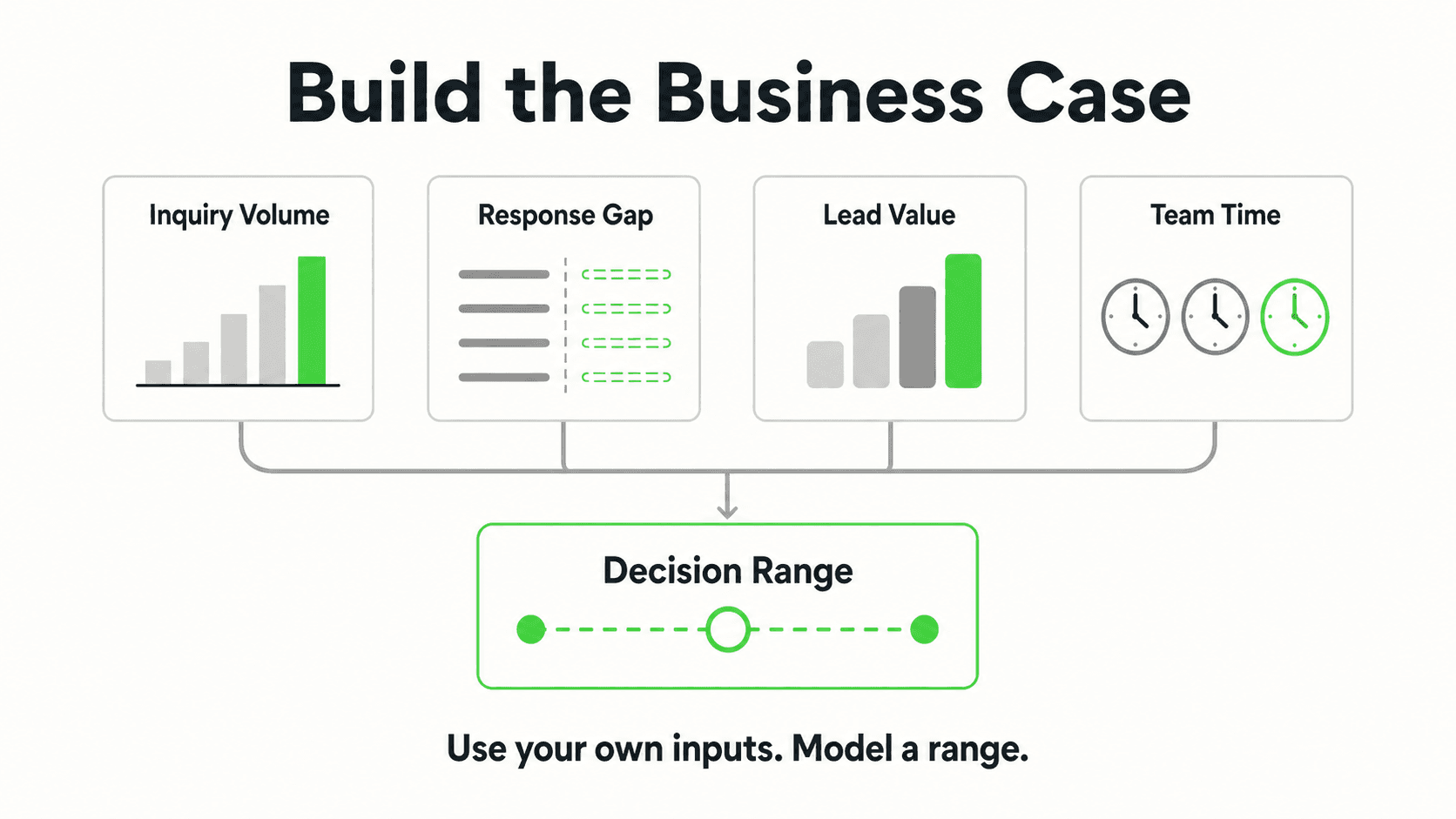
A single insurance customer service interaction handled by phone costs $8-$15, while an AI-powered chatbot handles a similar query for $0.50-$0.70. Complex insurance cases can reach $40+ per call. (Source: LiveChatAI, 2025; AgentiveAIQ, 2024; industry estimate, not independently verified)
12. Insurance chatbots can handle 80% of inbound customer queries
Routine policy questions, coverage details, deductible inquiries, claims filing steps, and document requests make up approximately 80% of inbound insurance queries. Properly configured chatbots resolve these without human intervention, redirecting only the remaining 20% to agents. (Source: Master of Code; Chatbase, 2025)
13. AI reduces claims processing time by 75%
Overall claims resolution time has been reduced by 75% with AI assistance, from an average of 30 days to 7.5 days. Routine claims processing has dropped from 7-10 days to 24-48 hours. (Source: PatientDesk.ai, 2025; Talli AI, 2025; industry estimate, not independently verified)
14. Claims processing costs decreased by 30-40% with automation
Standard claims processing costs dropped from $40-$60 per claim to $25-$36 per claim with automation. Complex claims saw similar reductions, from $200+ to $120-$140 per claim. (Source: Talli AI, 2025; industry estimate, not independently verified)
15. Zurich reduced claims review time from 8 hours to 8 minutes
Zurich Insurance used Expert AI's natural language technology to achieve a 58x reduction in claims review processing time, going from 8 hours to just 8 minutes per claim. (Source: NextMSC, 2025; industry estimate, not independently verified)
16. Allstate's chatbot ABIE manages 25,000 inquiries per month
Allstate's AI-powered chatbot ABIE handles 25,000 customer inquiries each month, significantly reducing the number of support calls routed to human agents. (Source: AIMultiple, 2026; industry estimate, not independently verified)
17. Chatbots reduce customer service costs by up to 30%
By automating up to 80% of routine inquiries and tasks, insurance chatbots reduce overall customer service costs by up to 30%. (Source: Master of Code, 2025)
18. RPA implementations reduce average handling times by 50-83%
Robotic process automation implementations in insurance have reported reductions in average handling times of 50% to 83% for various administrative and service tasks. (Source: NextMSC Insurance Automation Solutions Market, 2025; industry estimate, not independently verified)
19. McKinsey projects 50%+ of claims activities can be automated by 2030
McKinsey analysis indicates more than 50% of claims activities have potential for automation by 2030, with straight-through processing becoming the standard for simple claims. (Source: McKinsey)
See Insurance Automation in Action
Hyperleap AI helps insurance agencies respond to leads instantly, answer policy questions 24/7, and qualify prospects across website, WhatsApp, and more.
Try It FreePolicyholder Communication Preferences
Understanding how policyholders want to communicate is essential for choosing the right automation channels. The data shows a fragmented landscape where no single channel fits every customer.
20. Email remains the preferred insurance communication channel at 44%
In the U.S., email (44%) is the preferred policyholder communication channel, followed by SMS (17%), web or app (14%), print (12%), and encrypted messaging (12%). (Source: One Inc; industry estimate, not independently verified)
21. Only 55% of insurance customers say their provider communicates through their preferred channel
This figure is down from 60% in 2024, representing a concerning decline in channel alignment between insurers and their policyholders. (Source: One Inc; industry estimate, not independently verified)
22. 65% of policyholders will end an interaction if it feels too complex
Among Millennials and Gen Z, this number rises to over 70%. Policyholders expect quick, simple, and personalized interactions. (Source: CustomerThink; industry estimate, not independently verified)
23. Customer satisfaction with omnichannel insurance experiences has plateaued at 54%
Omnichannel satisfaction is unchanged from 2024, suggesting that simply being present on multiple channels is not enough. The quality of each channel experience matters. (Source: One Inc; industry estimate, not independently verified)
24. 65% of customers prefer to manage their insurance policies digitally
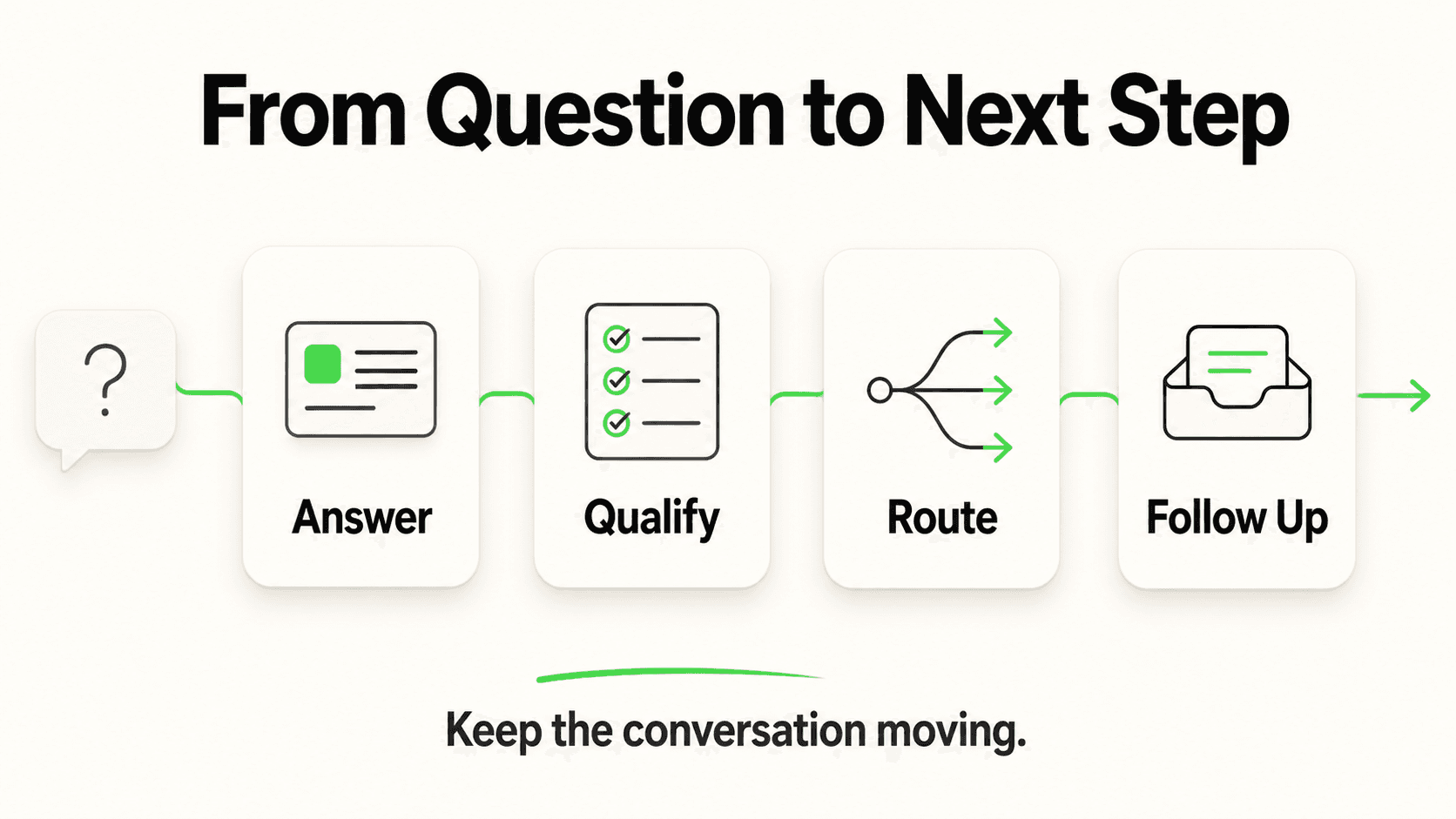
Two-thirds of policyholders prefer mobile apps or websites for policy management tasks like payments, ID card access, and coverage changes. (Source: ZipDo; industry estimate, not independently verified)
25. 82% of insurance consumers say personal interaction drives policyholder enrollment
Despite the growth of digital channels, personal interaction remains a top driver of enrollment decisions. The best automation strategies combine AI speed with human warmth for complex decisions. (Source: Accenture insurance customer relationships, 2024)
26. 74% of consumers have abandoned an insurance purchase due to feeling overwhelmed
Accenture's global consumer research found that 74% of consumers have abandoned insurance purchases because the process felt overwhelming, highlighting the need for guided, conversational experiences. (Source: Accenture, 2024)
27. Insurance industry average NPS is 23-36, among the lowest across all sectors
The insurance industry's average Net Promoter Score ranges from 23 (QuestionPro, Q1 2025) to 36 (ClearlyRated, 2024), making it one of the lowest-scoring industries for customer loyalty. Agencies with strong digital experiences score significantly higher. (Source: QuestionPro, 2025; ClearlyRated, 2024; industry estimate, not independently verified)
28. USAA leads insurance NPS with a score of 54
USAA's digital-first approach, with over 90% of customers completing objectives without issues on their platforms, drives the industry's highest Net Promoter Score. State Farm scores 28 and GEICO scores 20. (Source: CustomerGauge, 2025; industry estimate, not independently verified)
Insurance Technology Adoption and Market Size
The investment numbers confirm the trend: insurers are pouring billions into automation and AI. The question is no longer whether to invest but how fast to scale.
29. Full AI adoption among insurers jumped from 8% to 34% year-over-year
The 26 percentage-point increase from 2024 to 2025 represents the fastest AI adoption acceleration in the insurance sector's history. (Source: Roots AI, State of AI Adoption in Insurance 2025; industry estimate, not independently verified)
30. 76% of U.S. insurers have implemented generative AI in at least one business function
As of mid-2024, three-quarters of U.S. insurance companies have deployed generative AI capabilities, though only 10% have achieved scaled deployment in any individual function. (Source: Deloitte, Scaling Gen AI in Insurance)
31. The global insurance chatbot market is projected to reach $5.24 billion by 2033
Growing from $736.8 million in 2024, the insurance chatbot market is expected to reach $5,238.4 million by 2033 at a CAGR of 24.4%. (Source: Verified Market Reports, GlobeNewsWire, 2024)
32. The global AI-in-insurance market was $7.7 billion in 2024
The market is projected to jump to $10.3 billion by 2025, representing a 33% annual growth rate. Precedence Research estimates the market could reach $176.58 billion by 2035. (Source: Precedence Research; Research and Markets)
33. The global insurtech market is projected to reach $23.5 billion by 2026
Fortune Business Insights estimates the insurtech market will grow from $19.06 billion in 2025 to $23.54 billion in 2026, with AI-led platforms driving the expansion. (Source: Fortune Business Insights)
34. 90% of insurance executives identify AI as a top strategic initiative
Among insurance CEOs, 81% identify generative AI as a top investment priority. Across the broader executive suite, 90% consider AI the number-one strategic initiative for 2025. (Source: BCG, Insurance Leads in AI Adoption, 2025)
35. Insurance companies invest more than 7% of annual operational expenditure on IT
Global insurers allocate 7%+ of operational budgets to IT solutions, with over 62% prioritizing cloud migration and cybersecurity. Software accounts for nearly 40% of total IT spending due to the shift toward SaaS, AI, and analytics platforms. (Source: CoinLaw, Digital Transformation in Insurance Statistics, 2024; industry estimate, not independently verified)
36. The global insurance fraud detection market is projected to reach $22.14 billion by 2029
Growing from $7.5 billion in 2024, AI-powered fraud detection represents one of the fastest-growing segments in insurance technology, with a CAGR of 25.10%. (Source: CoinLaw, Insurance Fraud Detection Statistics, 2025; industry estimate, not independently verified)
37. AI could save insurers $80-$160 billion in fraud prevention by 2032
Deloitte projects that by implementing AI-driven technologies across the claims life cycle with real-time analysis, property and casualty insurers could save between $80 billion and $160 billion in fraudulent claims costs by 2032. (Source: Deloitte, 2025; Risk & Insurance; industry estimate, not independently verified)
38. 85% of customer service leaders will explore or pilot conversational generative AI in 2025
Gartner's survey found that 85% of customer service and support leaders planned to explore or pilot a customer-facing conversational generative AI solution in 2025. (Source: Gartner, December 2024) In a later survey of 321 leaders, 91% reported pressure from executive leadership to implement AI. (Source: Gartner, February 2026)
Insurance Automation Benchmarks
How do top-performing insurance agencies compare against the industry average? The benchmarks below provide a performance framework.
Lead Response Benchmarks
| Metric | Industry Average | Top Performers | Gap |
|---|---|---|---|
| Lead response time | 42+ hours | Under 5 minutes | 500x+ |
| Quote abandonment rate | 84% | 40-50% | -34 pts |
| Quote-to-bind rate | 10-20% | 25-35% | +15 pts |
| Cost per lead | $424 | $200-$300 | -30%+ |
| After-hours lead capture | None | 100% (AI) | Total gap |
(Sources: ProPair, 2024; First Page Sage, 2026; Coverager)
Customer Service Benchmarks
| Metric | Industry Average | Top Performers | Gap |
|---|---|---|---|
| Cost per service interaction | $8-$15 (phone) | $0.50-$0.70 (chatbot) | 90%+ savings |
| Routine query automation | 20-30% | 80%+ | +50 pts |
| Claims processing time | 30 days | 7.5 days (AI-assisted) | -75% |
| Customer retention rate | 83% | 93-95% | +10-12 pts |
| NPS score | 23-36 | 54 (USAA) | +18-31 pts |
(Sources: LiveChatAI, 2025; PatientDesk.ai, 2025; CustomerGauge, 2025; QuestionPro, 2025)
AI and Automation Adoption Benchmarks
| Metric | Laggards | Average | Leaders |
|---|---|---|---|
| AI adoption stage | Exploring | Piloting | Scaled deployment |
| Gen AI in production | 0% | 10% scaled | 44% in live production |
| Claims automation | Manual review | Partial automation | Straight-through processing |
| Underwriting time | 3-5 days | 1-2 days | 12.4 minutes |
| Fraud detection rate | 20-40% (soft fraud) | 40-60% | 80%+ (hard fraud) |
(Sources: Deloitte, Scaling Gen AI in Insurance; Roots AI, 2025; CoinLaw, 2025; BizTech Magazine, 2025)
Retention and Revenue Benchmarks
| Metric | Industry Average | Top Performers |
|---|---|---|
| Customer retention rate | 83% | 93-95% |
| Average policies per customer | 1.2-1.5 | 1.8+ (reduces churn to 5%) |
| Referred customer renewal rate | 67% (non-referred) | 92% (referred) |
| Shopping rate (auto) | 57% shopped in past year | Lower for bundled policyholders |
(Sources: InsuredMine; Agency Performance Partners; CustomerGauge, 2025)
The Automation Gap Is a Competitive Gap
Top-performing agencies respond to leads 500x faster, automate 80%+ of routine queries, and retain customers at rates 10-12 points higher than the average. The common thread: they have invested in automation that works around the clock. See how agencies are closing this gap on our insurance agents page.
The Data Points to One Direction
The statistics paint a clear picture: insurance automation is not a future trend. It is a present-day competitive differentiator with measurable ROI. Agencies that respond to leads in under 5 minutes, automate 80% of routine service queries, and deploy AI-powered claims processing are outperforming their peers by wide margins.
The gap between average and top-performing agencies is widening. With full AI adoption jumping from 8% to 34% in a single year and chatbot savings projected to reach $2.3 billion annually, the acceleration is only getting faster.
For insurance agencies looking to close the automation gap, the first step is often the simplest: deploy an AI chatbot that can respond to quote inquiries and policy questions around the clock. Hyperleap AI's insurance-specific chatbots are designed to do exactly that, with document-grounded responses that minimize hallucinations and multi-channel deployment across your website, WhatsApp, and Facebook Messenger.
Frequently Asked Questions
How much can insurance companies save with chatbots?
Juniper Research forecast in 2019 that chatbots would save insurers about $1.3 billion in claims management costs by 2023 (Payments Dive, 2019). At the individual interaction level, chatbots cost $0.50-$0.70 per interaction compared to $8-$15 for phone-based support, representing a 90%+ reduction in cost per query. Agencies typically see 30% overall customer service cost reductions within the first year of deployment.
What percentage of insurance companies use AI chatbots?
As of 2025, 76% of U.S. insurers have implemented generative AI capabilities in at least one business function (Source: Deloitte). Full AI adoption across the value chain jumped from 8% to 34% year-over-year. However, only 10% of insurers have achieved scaled deployment in any individual function, indicating significant room for growth.
How much faster is AI claims processing compared to traditional methods?
AI-assisted claims processing is approximately 75% faster than traditional methods. Average resolution time drops from 30 days to 7.5 days, and routine claims move from 7-10 days to 24-48 hours. In extreme cases like Zurich Insurance, claims review time dropped from 8 hours to 8 minutes using natural language processing technology.
What is the biggest factor in insurance lead conversion?
Response speed is the single biggest controllable factor. Responding within 5 minutes increases conversion rates by up to 100x compared to a 30-minute delay, and responding within 1 minute can boost conversions by 391%. With 84% of insurance leads abandoning quotes, the agencies that respond fastest capture a disproportionate share of new policies.
Will insurance chatbots replace human agents?
No. The data shows that chatbots handle 80% of routine inquiries (policy details, claims status, coverage questions), freeing human agents to focus on complex cases, relationship building, and high-value consultations. Gartner predicts that by 2029, agentic AI will autonomously resolve 80% of common customer service issues, but the remaining 20% will require human judgment. The most effective model is AI handling speed and volume while humans handle nuance and empathy.
Ready to Automate Your Insurance Customer Service?
See how Hyperleap AI helps insurance agencies respond to leads instantly, answer policy questions 24/7, and qualify prospects around the clock. Start your 7-day free trial.
Get StartedMethodology note: All statistics in this article are sourced from published research reports, industry surveys, and named company disclosures. Sources include Juniper Research, J.D. Power, Gartner, Deloitte, McKinsey, Accenture, and industry-specific publications. Statistics were gathered and verified in December 2025. Where multiple sources report different figures for the same metric, we note the range and cite all sources.
Looking for more data? See our AI chatbot statistics roundup, customer service automation statistics guide, and insurance agents overview. For pricing information, visit our pricing page.
Industry Solutions
See how AI chatbots work for these industries:
Related Articles

Customer Service Automation Statistics 2026 (Full Guide)
Customer service automation statistics for 2026. Chatbot adoption rates, AI impact on support, cost savings, and satisfaction metrics.

Dental Practice Customer Communication Statistics 2026
40+ sourced statistics on dental patient communication, no-shows, new patient acquisition costs, and patient expectations.

Real Estate Lead Response Statistics 2026
40+ sourced statistics on real estate lead response times, conversion rates, and agent technology adoption. The data behind why speed wins in real estate.

Law Firm Intake Stats 2026: 26% Never Respond to Leads
40+ sourced statistics on law firm response times, lead conversion rates, and client expectations. The data shows why the fastest firms win the best cases.