Law Firm Intake Stats 2026: 26% Never Respond to Leads
40+ sourced statistics on law firm response times, lead conversion rates, and client expectations. The data shows why the fastest firms win the best cases.

TL;DR: Law firm intake is broken at scale: 35% of calls to small and mid-sized firms go unanswered during business hours (Law Leaders 2025), only 33% respond to email inquiries (Clio 2024), and 26% of firms never respond to online lead forms at all (Hennessey Digital 2025). Firms that respond within 5 minutes see conversion rates rise dramatically over slower responders, and firms using client intake technology see 51% more leads and 52% higher revenue on average (Clio). AI adoption among legal professionals jumped from 19% in 2023 to 79% in 2024 — speed and tooling are now the competitive divide, not litigation skill. This article compiles 40+ sourced statistics across response time, conversion, client expectations, and technology adoption, with every number tied to a named study.
Last updated: 2026-05-03
The legal industry's relationship with client intake is broken. A national audit found that 35% of calls to small and mid-sized law firms go unanswered during business hours, costing the industry an estimated $109 billion annually in lost potential revenue (Source: Law Leaders "Silent Lines" Study, 2025). Meanwhile, the Clio 2024 Legal Trends Report shows that only 33% of firms respond to emails from prospective clients, down from 40% in 2019.
The data paints a stark picture: most law firms are spending heavily on marketing to generate leads, then letting those leads slip away through slow or nonexistent follow-up. The firms that win are not necessarily the best litigators or the cheapest options. They are the fastest to respond.
This article compiles 40+ sourced statistics on law firm response times, lead conversion rates, client expectations, and technology adoption. Every number is drawn from named research studies, industry reports, and published surveys. Whether you are a managing partner evaluating your intake process or a firm administrator building the case for technology investment, this is the data you need.
Key Findings at a Glance
26%
Law Firms Never Respond to Online Leads
13 min
Median Lead Response Time
35%
Calls Go Unanswered During Business Hours
$109B
Estimated Annual Revenue Lost to Missed Calls
79%
Legal Professionals Using AI (Up from 19%)
Here are the most important takeaways from the data:
- Speed wins cases. Firms that respond to leads within 5 minutes see conversion rates jump by up to 300% compared to slower responders (Source: LawHustle; industry estimate, not independently verified).
- Most firms are unreachable. Only 52% of law firms either answer the phone or return calls, meaning 48% are essentially unreachable by phone (Source: Clio 2024 Legal Trends Report).
- Technology drives revenue. Firms using client intake technology see 51% more leads and 52% higher revenue on average (Source: Clio Legal Trends Report).
- AI adoption has exploded. AI adoption among legal professionals jumped from 19% in 2023 to 79% in 2024 (Source: Clio, via LawNext).
- Clients feel uncared for. While 72% of attorneys describe their firm as "caring," only 40% of clients agree (Source: Case Status Legal CX Report, 2025).
- Follow-up is abysmal. Between 35% and 50% of all law firm leads are never followed up with at all (Source: Filevine; industry estimate, not independently verified).
Law Firm Response Time Statistics
Response time is the single most measurable predictor of whether a lead becomes a client. The data from multiple studies converges on a clear conclusion: faster firms win.
How Fast Do Law Firms Respond?
The median law firm response time to online leads is 13 minutes (Source: Hennessey Digital 2025 Lead Form Response Time Study). This is a significant improvement from earlier years, when the median was as high as 33 minutes. However, the number masks a wide distribution.
25% of law firms now respond to leads in under 5 minutes, up from just 13% in 2021 (Source: Hennessey Digital 2025 Study). These fast responders are setting the competitive bar for the entire industry.
56% of law firms respond within one hour, while 74% respond within seven days (Source: Hennessey Digital 2025 Study). That remaining 26% never respond at all.
The 26% Problem
More than one in four law firms never respond to online lead form submissions. These firms are paying for marketing that generates leads, then discarding those leads entirely. If your firm falls into this category, fixing this single issue will likely produce the highest ROI of any operational change you can make.
Speed-to-Lead: Why the First Five Minutes Matter
A delay of just five minutes results in a 10% drop in lead contact rates (Source: LeadAngel). The window for effective lead contact is narrow and unforgiving.
After 60 minutes, the likelihood of making successful contact drops by 10x (Source: LeadAngel). Every hour of delay compounds the problem dramatically.
Firms that respond within 5 minutes see up to a 300% increase in conversion rates compared to those that respond more slowly (Source: LawHustle; industry estimate, not independently verified). This is among the most consequential statistics in this entire report.
Phone and Email Responsiveness
Only 40% of law firms answer phone calls, a significant drop from 56% in 2019 (Source: Clio 2024 Legal Trends Report). Phone responsiveness has gotten worse, not better, over the past five years.
Just 33% of law firms respond to emails from prospective clients (Source: Clio 2024 Legal Trends Report). Among those that do respond, 84% reply within eight hours, but only 18% provide clear next steps or cost information in their response.
85% of callers who reach voicemail never leave a message (Source: Moneypenny). The assumption that callers will leave a message and patiently await a callback is outdated and costly.
After-Hours Inquiry Patterns
Law firms miss approximately 36% of all incoming calls, and 34% of those callers never try to reach the firm again (Source: Clio Legal Trends Report). That represents a permanent loss of potential clients.
Roughly 60% of after-hours and weekend calls come from first-time callers (Source: Law.com LawyerPages). These are not existing clients with routine questions; they are new business walking in the door and finding no one home.
Voicemails and call-back requests produce a 74% drop-off rate, as prospective clients prefer firms that offer instant engagement (Source: Law.com LawyerPages). This is where 24/7 automated intake delivers the most value: capturing leads when staff are unavailable.
13 min
Median Lead Response Time (2025)
25%
Firms Responding in Under 5 Minutes
40%
Firms That Answer Phone Calls
74%
Drop-Off Rate from Voicemail
Legal Lead Conversion Statistics
Generating leads is expensive. Converting them is where firms either recoup their investment or waste it. The conversion data reveals massive variation between top-performing and average firms.
Inquiry-to-Consultation Conversion Rates
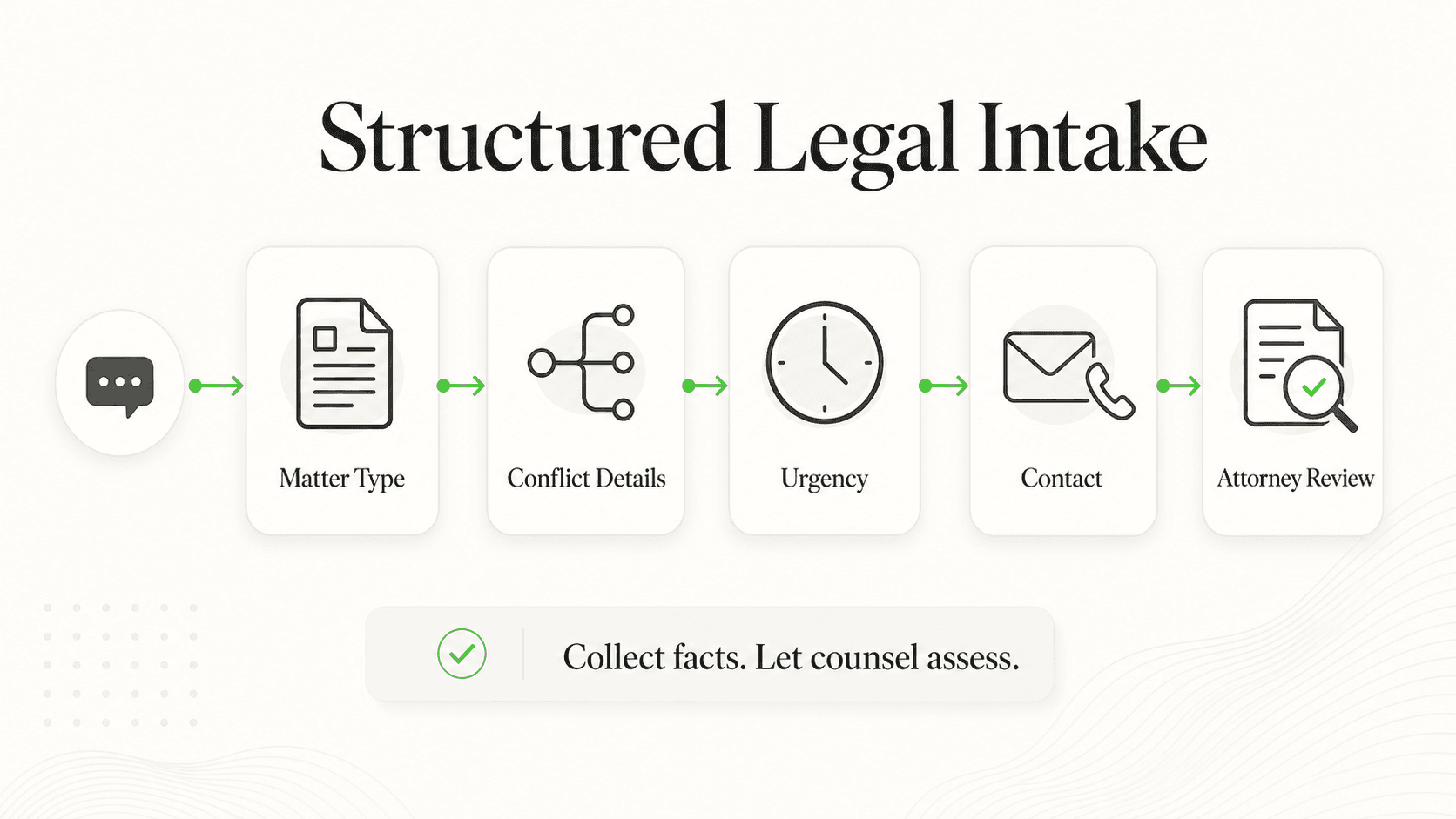
The average law firm website converts 2-4% of visitors into consultation requests (Source: LegalBrandMarketing). Well-optimized legal intake funnels achieve 8-12%, representing a 3-4x improvement that translates directly into revenue.
The average search advertising conversion rate for legal services is 7%, higher than the 4.3% median across all industries (Source: LocaliQ 2024 Legal Search Advertising Benchmarks; industry estimate, not independently verified). However, this varies significantly by practice area.
| Practice Area | Average Conversion Rate |
|---|---|
| Bankruptcy Law | 13%+ |
| Tax Law | 13%+ |
| Disability Law | 6.3% |
| Family Law | 6.3% |
| Immigration Law | 5.6% |
| Personal Injury | 5.5% |
(Source: LocaliQ 2024 Legal Search Advertising Benchmarks; industry estimate, not independently verified)
Consultation-to-Retention Rates
A healthy consultation-to-client conversion rate is 30% or higher, but many firms operate below 10% (Source: LawHustle; industry estimate, not independently verified). Top-performing firms close 40-50% of consultations, and firms that charge a consultation fee often see 40-50% close rates as well, because the fee itself qualifies the lead.
The average law firm converts only about 14% of leads into clients overall, while top performers achieve 40-50% (Source: LawHustle; industry estimate, not independently verified). That gap between 14% and 50% represents a massive competitive advantage for firms that prioritize intake.
Cost Per Lead by Practice Area
Legal leads are among the most expensive across all industries. Here is what firms are paying:
| Practice Area | Typical CPL Range | Notes |
|---|---|---|
| Personal Injury | $150 - $500+ | Highest competition, highest case values |
| Criminal Defense | $50 - $200 | Moderate competition, urgent need |
| Family Law | $75 - $300 | Varies significantly by location |
| Estate Planning | $50 - $150 | Lower competition, lower urgency |
| General Legal Services | ~$111 | Average across search advertising |
(Sources: LegalBrandMarketing, LocaliQ, Majux)
The average cost per lead for attorneys running search advertising is $111.05 (Source: LocaliQ 2024; industry estimate, not independently verified). At these prices, every unconverted lead represents a significant sunk cost. A firm generating 100 leads per month at $111 each is spending $11,100 monthly on lead generation alone.
The Math on Lost Leads
If your firm generates 100 leads per month at $111 each and converts 14% (the industry average), you are spending $793 to acquire each client. Improve your conversion rate to 30% by speeding up response times and tightening follow-up, and your cost per client drops to $370 — a 53% reduction with zero additional marketing spend.
Follow-Up Statistics
35% to 50% of all law firm leads are never followed up with (Source: Filevine; industry estimate, not independently verified). This is perhaps the most damaging statistic in this report. Firms are paying for leads that no one contacts.
More than half of responding firms only call back once (Source: Hennessey Digital). Among firms that text leads, 42% send only a single text. Effective follow-up requires multiple touchpoints.
81% of law firms admit to losing business due to slow responses, and 35% estimate they have lost 11-25% of their annual revenue because they could not respond fast enough (Source: Pareto Legal).
Lead Source Effectiveness
Law firms see a 526% ROI from SEO within three years, making organic search the highest-returning marketing channel (Source: Andava Legal Marketing Statistics). However, it takes an average of 14 months to recoup the initial SEO investment.
78% of law firms use paid search marketing, but 82% find the ROI underwhelming (Source: Andava Legal Marketing Statistics). The issue often is not lead volume but lead handling: firms generate leads through PPC and then fail to convert them due to slow or absent follow-up.
Mobile drives 7x more traffic than desktop for legal services, the largest gap across all industries measured (Source: LocaliQ 2024; industry estimate, not independently verified). Firms without mobile-optimized intake processes are leaving the majority of their traffic underserved.
What Legal Clients Expect in 2026
Client expectations are not static. They are shaped by every digital experience a consumer has, from same-day delivery to instant chatbot responses in retail. Legal consumers now bring those expectations to their attorney search.
Response Speed Expectations
72% of legal consumers will move on if they do not hear back within 24 hours (Source: Pareto Legal Marketing Statistics). This is up from 66% just a year earlier, indicating that expectations are accelerating.
Three out of ten consumers hire an attorney within 3 days of realizing they need one, and five out of ten hire within a week (Source: Martindale-Avvo 2024 Legal Consumer Report; industry estimate, not independently verified). The decision cycle is fast, and firms that are slow to respond miss it entirely.
79% of legal consumers who contacted multiple attorneys hired the one who was most responsive (Source: Martindale-Avvo 2024; industry estimate, not independently verified). Nearly four out of five consumers contacted more than one attorney before making a hiring decision, which means responsiveness is a direct competitive differentiator.
Communication Preferences
87% of law firms still use phone calls as their primary response method when responding to online leads, while 67% use email (Source: Hennessey Digital 2025 Study). However, client preferences are shifting toward digital-first communication.
Responsiveness (58%) ranks as the third most important factor in choosing a lawyer, behind pricing and fees (61.6%) and reviews (70%) (Source: Martindale-Avvo 2024 Legal Consumer Report; industry estimate, not independently verified).
Only 9% of law firms offer a self-service mobile app or portal, despite the fact that consumers spend roughly five hours per day on smartphones and 93% of that time is in apps (Source: Case Status Legal CX Report, 2025). The gap between what clients want and what firms offer is enormous.
The Client-Attorney Perception Gap
While 72% of attorneys describe their firm as "caring," only 40% of clients agree (Source: Case Status Legal CX Report, 2025). This 32-point perception gap reveals a fundamental disconnect.
Just 21% of clients said they felt reassured that their legal team cared about their experience or even asked for feedback (Source: Case Status Legal CX Report, 2025). Most firms assume they are delivering good service. The data says otherwise.
One in four clients reported feeling anxiety from not knowing the status of their case (Source: Case Status Legal CX Report, 2025). Proactive communication, even automated updates, directly addresses this pain point.
Bridging the Perception Gap
The easiest way to close the gap between what attorneys think clients experience and what they actually experience is to measure it. Yet only 7% of law firms track Net Promoter Score (Source: Case Status), and only 35% measure response time. You cannot improve what you do not measure.
AI and Technology Adoption in Legal Services
The legal industry's relationship with technology has historically been cautious. That changed dramatically in 2023-2024, as AI adoption surged across firms of all sizes.
AI Adoption Rates
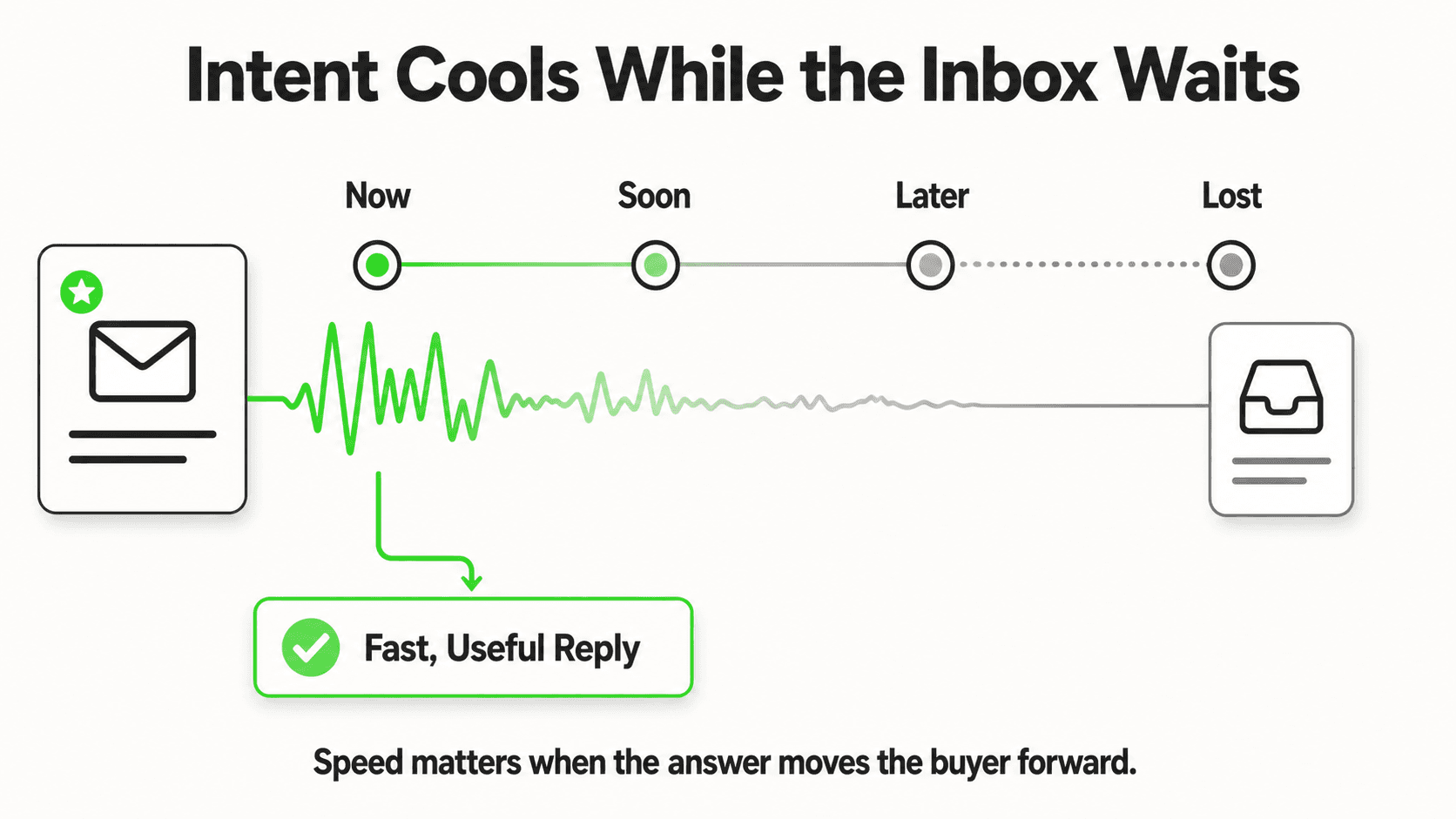
AI adoption among legal professionals jumped from 19% in 2023 to 79% in 2024 (Source: Clio, via LawNext). This is among the fastest adoption curves in any professional services industry.
AI use in legal practice nearly tripled year-over-year according to the ABA, from 11% in 2023 to 30% in 2024, with larger firms (100+ attorneys) reaching 46% adoption (Source: ABA 2024 Legal Technology Survey Report). The variation between the ABA and Clio figures reflects differences in how "AI adoption" is defined and measured.
26% of legal organizations are now actively integrating generative AI, up from 14% in 2024, with 45% planning to make it central to their workflow within one year (Source: Thomson Reuters 2025 Legal Technology Survey, via LawNext).
95% of legal professionals expect generative AI to become central to their workflow within five years (Source: Thomson Reuters 2025 Survey). The question is no longer whether to adopt AI, but when and how.
Legal Technology Market Size
The global legal technology market was valued at $26.7 billion in 2024 and is projected to reach $46.8 billion by 2030, growing at a CAGR of 10.2% (Source: Grand View Research).
The legal AI market specifically was valued at $1.45 billion in 2024 and is projected to reach $3.90 billion by 2030, growing at a CAGR of 17.3% (Source: Grand View Research).
Law firms increased technology spending by 9.7% in 2025, the fastest real growth likely ever experienced in the legal industry (Source: Thomson Reuters 2026 State of the US Legal Market Report, via LawNext). By the end of 2025, law firms were spending nearly 40% more on technology than they did before generative AI emerged.
Technology Impact on Revenue
Firms using client intake technology see 51% more leads and 52% higher revenue on average (Source: Clio Legal Trends Report). This is one of the strongest arguments for technology investment in legal intake.
Organizations with a visible AI strategy are 3.5x more likely to experience critical AI benefits compared to those without significant adoption plans (Source: Thomson Reuters 2025 Survey, via LawNext). Having a strategy matters as much as having the technology itself.
Saving time and increasing efficiency is the top perceived AI benefit at 54.4%, though accuracy concerns remain the leading barrier at 74.7% (Source: ABA 2024 Legal Technology Survey).
79%
AI Adoption Among Legal Professionals (2024)
$26.7B
Global Legal Tech Market Size (2024)
9.7%
Tech Spending Growth in 2025
51%
More Leads with Intake Technology
Chatbots and Automated Intake
Law firms using AI chatbots for intake see up to a 30% increase in conversions (Source: Cicerosoftware). For firms already generating qualified leads, this improvement requires no additional marketing spend.
Emotional strain fell by 16% during client intake when using technology, with 93% of measured emotions indicating excitement and happiness, and overall cognitive load dropped by 25% (Source: Clio 2025 Legal Trends Report). Technology does not just help clients; it helps staff.
59% of corporate legal departments want their outside law firms to use generative AI (Source: Thomson Reuters, via LawNext). Client expectations for technology adoption now flow in both directions.
For an in-depth look at chatbot statistics across all industries, see our companion article. If you are evaluating platforms, our guide on how to choose an AI chatbot platform covers the key decision criteria.
Legal Client Intake Benchmarks: How Does Your Firm Compare?
The statistics above are most useful when compared against your own firm's performance. The following benchmarks provide a framework for self-assessment.
Response Time Benchmarks
| Metric | Top 25% | Median | Bottom 25% |
|---|---|---|---|
| Time to first response (online lead) | Under 5 minutes | 13 minutes | No response |
| Phone answer rate | 80%+ | 52% | Under 40% |
| Email response rate | 70%+ | 33% | No response |
| After-hours lead capture | Automated 24/7 | Voicemail only | No system |
(Sources: Hennessey Digital 2025, Clio 2024 Legal Trends Report)
Conversion Benchmarks
| Metric | Top Performers | Average | Underperformers |
|---|---|---|---|
| Website visitor to consultation | 8-12% | 2-4% | Under 2% |
| Lead to client (overall) | 40-50% | 14% | Under 10% |
| Consultation to retention | 40-50% | 30% | Under 15% |
| Follow-up completion rate | 100% within 24 hrs | 50-65% | 35% or lower |
(Sources: LawHustle, LegalBrandMarketing, Filevine)
Technology Adoption Benchmarks
| Metric | Leading Firms | Average | Lagging |
|---|---|---|---|
| Online intake forms | Yes, with smart routing | Basic form | No online intake |
| CRM/intake software | Integrated with all channels | Standalone tool | Spreadsheet or none |
| AI-powered tools | Multiple use cases | Experimenting | No AI |
| Response time tracking | Real-time dashboard | Occasional review | Not measured |
| Client satisfaction measurement | NPS + surveys | Informal feedback | Not measured |
(Sources: ABA 2024 Tech Survey, Case Status 2025)
Revenue Impact Benchmarks
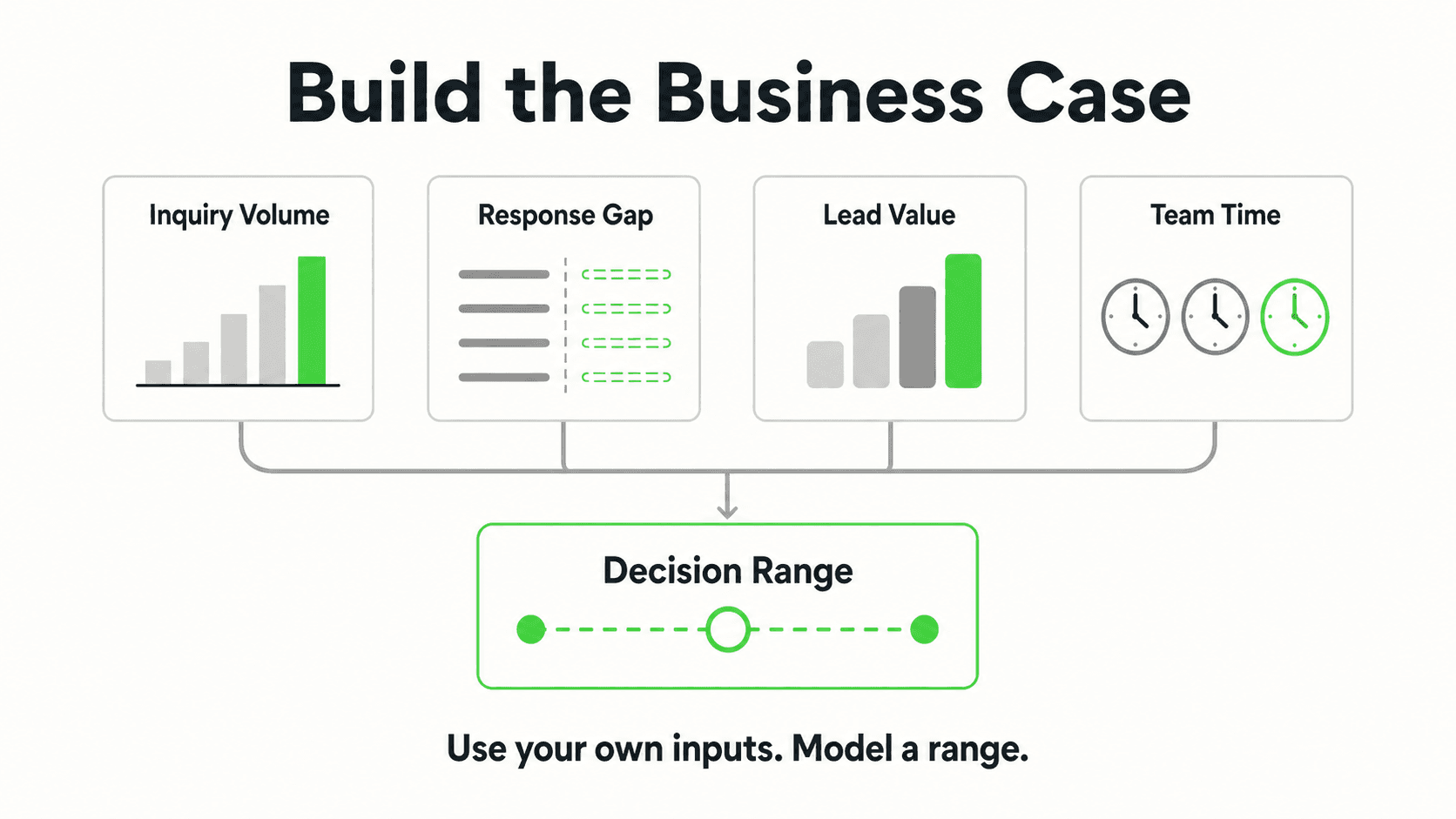
| Scenario | Estimated Impact |
|---|---|
| Improving response time from 1 hour to 5 minutes | Up to 300% conversion improvement |
| Adding online intake technology | 51% more leads, 52% more revenue |
| Reducing missed calls by 85% | Recapture thousands in lost annual revenue |
| Increasing conversion rate from 14% to 30% | 53% lower cost per acquired client |
(Sources: LawHustle, Clio Legal Trends Report, Answering365)
Start With What You Measure
The most striking benchmark gap is not between fast and slow firms. It is between firms that measure their intake performance and firms that do not. Only 35% of firms track response time and only 7% track NPS (Source: Case Status 2025). If you are not measuring these numbers today, start there. The customer service automation data shows that measurement alone improves performance.
Winning More Cases With Better Intake
The data tells a clear story. Law firms spend heavily to generate leads, then lose a significant portion of those leads to slow response times, missed calls, and inadequate follow-up. The firms that win are not necessarily bigger or better at law. They are faster, more responsive, and more systematic about their intake process.
The most actionable findings from this data:
- Respond to every lead within 5 minutes. This single change can improve conversions by up to 300%.
- Capture leads 24/7. With 60% of after-hours calls coming from first-time callers, after-hours coverage is not optional.
- Follow up more than once. Most firms call back once at most. Effective intake requires multiple touchpoints.
- Measure everything. If you are not tracking response time and conversion rates, you are flying blind.
- Invest in technology. Firms with intake technology see 51% more leads and 52% more revenue.
If your firm is ready to close the intake gap, an AI-powered intake agent can handle the initial response, qualify leads, and ensure no inquiry goes unanswered, whether it arrives at 2 PM or 2 AM.
Frequently Asked Questions
Where does this data come from?
The statistics in this article are drawn from named, published sources including the Clio Legal Trends Report (2024 and 2025 editions), the Hennessey Digital Lead Form Response Time Study (2025), the ABA Legal Technology Survey Report (2024), the Thomson Reuters State of the Legal Market Report (2026 edition), the Martindale-Avvo Legal Consumer Report (2024), the Case Status Legal CX Report (2025), and several other industry studies. Each statistic is individually sourced within the text.
What is a "good" response time for a law firm?
Based on the data, top-performing firms respond to online leads in under 5 minutes. The median across the industry is 13 minutes (Source: Hennessey Digital 2025). However, since conversion rates drop significantly after 5 minutes (Source: LeadAngel), the practical target should be sub-5-minute response for any firm serious about intake optimization.
How can a small firm compete with large firms on response time?
Technology is the equalizer. Automated intake tools, AI chatbots, and answering services allow a solo practitioner to match or exceed the response time of a 50-attorney firm. The Clio data shows that firms using client intake technology see 51% more leads regardless of firm size. Our guide to choosing an AI chatbot platform covers the selection process for firms of all sizes.
What is the biggest intake mistake law firms make?
Not responding at all. The Hennessey Digital 2025 study found that 26% of law firms never respond to online leads, and Filevine reports that 35-50% of leads are never followed up with. Before optimizing speed, ensure every lead receives at least one contact attempt. Automated acknowledgment, even a simple "we received your inquiry and will call you within the hour," eliminates the worst-case scenario.
How does response time affect different practice areas differently?
The impact of response speed is greatest for practice areas where clients are in urgent situations: personal injury (accident just happened), criminal defense (just arrested), and family law (crisis situations). In these areas, the client is often contacting multiple firms simultaneously, and the first to respond wins. Estate planning and business law have slightly longer decision cycles, but even there, 72% of consumers move on within 24 hours (Source: Pareto Legal).
Is AI intake right for every law firm?
The data shows clear ROI for firms of all sizes. However, the specific approach varies. Large firms may deploy full AI chatbots integrated with their CRM. Small firms might start with a simple automated response acknowledging the inquiry and promising a callback within a set window. The key insight from the ABA data is that even basic automation, such as auto-acknowledgment and after-hours capture, meaningfully improves conversion. You do not need to deploy a full AI strategy on day one.
See How AI Intake Works for Law Firms
Respond to every inquiry instantly, qualify leads 24/7, and never miss a potential client. Built specifically for legal practices.
Explore Legal AgentsIndustry Solutions
See how AI chatbots work for these industries:
Related Articles

How Law Firms Lose Cases on After-Hours Inquiries
Legal leads cost $250-$1,000+ each. When 40% arrive after hours and hit voicemail, firms lose cases worth $5K-$500K to faster-responding competitors.

Dental Practice Customer Communication Statistics 2026
40+ sourced statistics on dental patient communication, no-shows, new patient acquisition costs, and patient expectations.

Patient Communication Statistics 2026 for Healthcare
35+ sourced statistics on patient communication gaps, response times, and provider switching behavior reshaping practices in 2026.

Real Estate Lead Response Statistics 2026
40+ sourced statistics on real estate lead response times, conversion rates, and agent technology adoption. The data behind why speed wins in real estate.