Patient Communication Statistics 2026 for Healthcare
35+ sourced statistics on patient communication gaps, response times, and provider switching behavior reshaping practices in 2026.
Last updated: 2026-06-02
TL;DR: Healthcare patient communication is in crisis. 69% of patients will switch providers over poor communication — up from 51% just two years ago. Medical practices miss 23-42% of incoming calls, 85% of those callers never try again, and the average hold time is more than five times the recommended standard. Meanwhile, only 19% of practices have adopted AI-powered communication tools. This article presents 35+ sourced statistics that reveal the gap between what patients expect and what practices deliver, and what the data says you should do about it.
Healthcare Patient Communication Statistics 2026: What Every Practice Must Know
Sixty-nine percent of healthcare consumers say they will switch providers if communication fails to meet their expectations. That number was 51% in 2023 (Source: Smart Communications, 2025; industry estimate, not independently verified). In just two years, the patient communication expectations bar has not simply risen — it has fundamentally shifted. Patients no longer tolerate long hold times, unreturned voicemails, or basic automated messages that feel impersonal.
For medical practice owners and administrators, this is not a soft metric. It is the single largest driver of patient retention, revenue stability, and competitive positioning. The practices that understand these numbers — and act on them — will capture the patients that their competitors are losing.
This article compiles 35+ sourced patient communication statistics, organized by the areas that matter most to your practice's bottom line: communication preferences, response time expectations, missed call costs, no-show economics, digital adoption, and provider switching behavior. Every statistic is sourced from industry research, and every section includes practical context for how the data applies to your practice.
Who This Guide Is For
This guide is written for medical practice owners, office managers, and healthcare administrators who want data-driven insight into how patients communicate, what they expect, and where most practices fall short. Use these statistics to benchmark your own practice, justify technology investments, and prioritize improvements that drive patient retention and revenue.
What Is Patient Communication Analytics?
Patient communication analytics is the systematic measurement and analysis of every interaction between a healthcare practice and its patients — from phone calls and hold times to digital messages, appointment reminders, and after-hours inquiries. It transforms what most practices treat as anecdotal ("we seem busy on Mondays") into quantifiable data that drives decisions.
For healthcare practices, patient communication analytics typically measures:
- Call answer rates and abandonment: What percentage of calls are answered, missed, or abandoned during hold
- Response time: How quickly the practice responds to inquiries across phone, web, and messaging channels
- Channel preferences: Which communication channels patients prefer and actually use (phone, text, portal, chat)
- No-show correlation: How communication patterns (reminder frequency, channel, timing) affect appointment attendance
- Patient sentiment: Whether communication quality drives satisfaction, retention, and referrals
- After-hours demand: The volume and nature of patient inquiries outside business hours
Unlike traditional patient satisfaction surveys that measure feelings retroactively, communication analytics captures behavior in real time. It shows you exactly where patients are falling through the cracks — and what it costs you when they do.
The difference between practices that grow and practices that stagnate increasingly comes down to this: do you measure your communication performance, or do you guess? The statistics below provide a national benchmark. Your job is to measure where you stand relative to them.
Why Healthcare Communication Is Failing Patients
The Hold Time Crisis
The Healthcare Financial Management Association (HFMA) recommends a maximum hold time of 50 seconds for healthcare call centers. The actual average? 4 minutes and 24 seconds — more than five times the recommended standard (Source: Dialog Health, 2025; industry estimate, not independently verified). This gap between expectation and reality plays out in patient behavior: 34% of patients will hang up after just 2 minutes on hold, and 67% will hang up after 5 minutes (Source: Dialog Health, 2025; industry estimate, not independently verified). For practices already running above the average, the math is punishing. Every minute of hold time above 2 minutes erodes your patient base.
The Missed Call Epidemic
Across specialties and practice sizes, medical practices miss an average of 23% of incoming calls, with some studies showing rates as high as 42% during peak hours (Source: Keona Health, 2024; Patient10x, 2025; industry estimate, not independently verified). For a practice receiving 50 calls per physician per day, that means 12 to 21 patient inquiries go unanswered daily. The compounding factor: 85% of patients who cannot reach you on the first attempt will not call back (Source: AgentZap, 2025; industry estimate, not independently verified). They call the practice next door. You never know they existed.
The Digital Expectations Gap
Patients are ready for digital communication. Practices are not. 70% of patients prefer receiving texts for appointment reminders and updates (Source: Dialog Health, 2025; industry estimate, not independently verified), and 80% prefer digital methods like email, text, or patient portals over phone calls for routine communication (Source: Smart Communications, 2025; industry estimate, not independently verified). Yet only 19% of medical practices have adopted chatbots or virtual assistants for patient communication (Source: MGMA Stat, 2025). This 51-percentage-point gap between patient preference and practice capability represents one of the largest unaddressed opportunities in healthcare operations.
The After-Hours Blind Spot
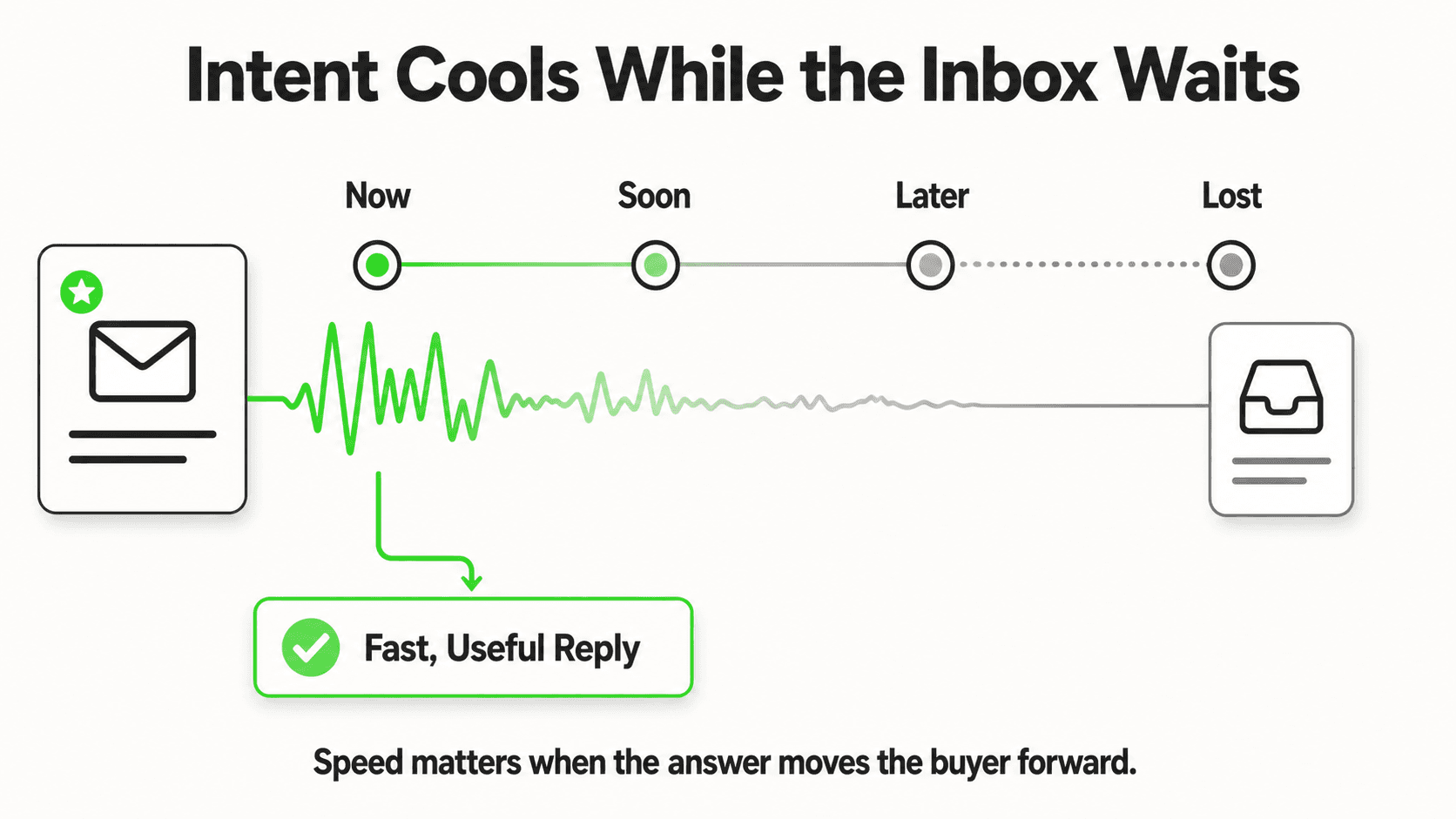
Approximately 40% of patient inquiries occur outside standard business hours (Source: DocResponse, 2025; industry estimate, not independently verified). These are not all emergencies — many are patients wanting to schedule appointments, ask about test results, or get pre-visit instructions. For practices that close their phones at 5 PM and reopen at 8 AM, that is 15 hours of unmet patient demand every weekday, plus weekends. The real cost of missed patient calls is not just a single lost appointment — it is the lifetime value of a patient relationship that never started.
7 Patient Communication Statistics That Will Change How You Run Your Practice
1. 69% of Healthcare Consumers Will Switch Providers Over Poor Communication
What this looks like in practice: A patient calls your office with a billing question. She is placed on hold for 6 minutes, gets disconnected, calls back, and is told the billing person is unavailable. She makes a mental note to look for a new provider. Within a month, she is gone — along with her $3,000-$50,000 in lifetime value depending on the specialty.
Real-world impact: According to Smart Communications' 2025 Customer Experience Benchmarks report, 69% of healthcare consumers are likely to switch providers if communication fails to meet their expectations. This is up from 66% in 2024 and 51% in 2023, representing a consistent and accelerating trend (Source: Smart Communications, 2025; industry estimate, not independently verified). The switching propensity is even higher among younger demographics: millennials at 79% and Gen Z at 76%. Poor communication is the leading reason patients leave, cited by 32% of those who switch — far outweighing privacy concerns at 7% (Source: RingCentral Healthcare Communication Trends, 2024).
Why it matters: This is not a satisfaction survey footnote. It is the single most predictive statistic of patient attrition. When nearly 7 in 10 patients say they will leave over communication failures, communication quality is not a nice-to-have. It is the practice's retention engine.
Key takeaway:
- Provider switching due to communication has increased 18 percentage points in two years
- Millennials and Gen Z are the most likely to switch (76-79%)
- Communication failures outrank every other reason for patient churn
- Investing in communication is investing directly in patient retention
2. Medical Practices Miss 23-42% of Incoming Calls During Business Hours
What this looks like in practice: Your front desk is checking in a patient, answering an insurance question, and managing a prescription refill request. The phone rings. And rings again. Two calls go to voicemail. Those callers — one a new patient, one an existing patient trying to reschedule — hear a recording and hang up.
Real-world impact: Studies show that medical practices miss between 23% and 42% of incoming calls, depending on practice size and measurement methodology (Source: Keona Health, 2024; Patient10x, 2025; industry estimate, not independently verified). Small practices with 1-2 receptionists experience the highest rates, often exceeding 30% during peak hours. The financial impact is severe: the average medical practice loses between $200,000 and $500,000 annually from missed calls alone (Source: Patient10x, 2025; industry estimate, not independently verified). Each missed call from a new patient represents $300-$500 in immediate lost revenue and thousands more in lifetime value.
Why it matters: Most practice owners dramatically underestimate their missed call rate because the evidence is invisible — you do not know who did not get through. Unlike a no-show, where you know the patient's name, a missed call from a new patient leaves no trace. The revenue is gone before you ever knew it existed.
Key takeaway:
- Even "well-staffed" practices miss nearly one in four calls
- Peak hours (Monday mornings, first and last hours of the day) see the highest miss rates
- Each missed new patient call costs $300-$500 immediately and $3,000-$50,000 in lifetime value
- 85% of patients who reach voicemail will not call back
3. Average Healthcare Call Hold Time Is 5x the Recommended Standard
What this looks like in practice: A patient calls to schedule a follow-up. She hears "Your call is important to us" followed by 4 minutes of hold music. She is running errands, loses patience, and hangs up at the 3-minute mark. Your phone system logs an abandoned call. She Googles another provider that afternoon.
Real-world impact: The average hold time in healthcare call centers is 4 minutes and 24 seconds — five times the 50-second standard recommended by the Healthcare Financial Management Association (Source: Dialog Health, 2025; HFMA; industry estimate, not independently verified). The patience threshold is low: 34% of callers hang up after 2 minutes, and 67% hang up after 5 minutes (Source: Dialog Health, 2025; industry estimate, not independently verified). Meanwhile, the average response time for patient inquiries (across all channels, not just phone) can stretch to 2 hours or more for practices without automated systems.
Why it matters: Hold time is the most tangible expression of how a practice values a patient's time. In an era where patients can order food, book travel, and manage their banking in under 60 seconds on their phone, waiting 4+ minutes on hold to schedule a medical appointment feels like a relic. And patients are responding accordingly — by going elsewhere.
Key takeaway:
- HFMA recommended standard: 50 seconds. Actual average: 4 minutes 24 seconds.
- 34% of patients hang up after 2 minutes — 67% after 5 minutes
- Hold time directly correlates with call abandonment and patient loss
- Reducing hold time to under 2 minutes would retain the majority of callers
4. 70% of Patients Prefer Text Over Phone Calls for Routine Communication
What this looks like in practice: Your practice sends appointment reminders by phone — an automated call at 4 PM the day before. Many patients do not answer unknown numbers. Of those who do, some cannot write down the appointment details. Meanwhile, the dentist across the street sends a text that patients read in 3 minutes and confirm with a single tap.
Real-world impact: 70% of patients prefer text messaging for appointment reminders, updates, and health tips (Source: Dialog Health, 2025; industry estimate, not independently verified). Text messages achieve a 98% open rate compared to 20% for email and roughly 50% for phone calls, and 90% of texts are read within 3 minutes (Source: Dialog Health, 2025; industry estimate, not independently verified). For no-show reduction specifically, text message reminders reduce missed appointments by 30-50% (Source: Curogram, 2025; industry estimate, not independently verified). And 28% of patients say they would consider switching providers if text messaging was not available (Source: Dialog Health, 2025; industry estimate, not independently verified).
Why it matters: The communication channel you use is as important as the message itself. Practices that rely exclusively on phone-based communication are misaligned with how the majority of patients want to interact. This is not a generational issue — text preference spans all age groups under 65, and it is the number one communication method for patients under 50. Meeting patients on their preferred channel is a competitive differentiator that directly affects scheduling completion, no-show rates, and retention.
Key takeaway:
- 70% of patients prefer text for routine healthcare communication
- Text messages have a 98% open rate vs. 20% for email
- Text reminders reduce no-shows by 30-50%
- 28% would consider switching providers without text communication
Meet Patients Where They Are
Hyperleap AI helps healthcare practices respond to patients instantly on website chat, WhatsApp, Facebook Messenger, and Instagram DM — with document-grounded responses and a non-PHI design that keeps health details out of the chat.
Explore Healthcare AI5. Only 19% of Medical Practices Use AI-Powered Communication Tools
What this looks like in practice: While 68% of large healthcare organizations are incorporating AI and chatbots, the adoption picture is very different for independent and small-to-midsize practices. The vast majority still rely on human-only communication systems — phone calls, manual scheduling, and voicemail — to handle the same patient expectations that large systems address with technology.
Real-world impact: An April 2025 MGMA Stat poll revealed that only 19% of medical group practices use any version of chatbot or virtual assistant for patient communication (Source: MGMA Stat, 2025). This means 81% of practices are handling every patient inquiry manually. Meanwhile, the healthcare chatbot market is projected to reach $543 million in 2026 and $943 million by 2032, growing at 19% annually (Source: DemandSage, 2026). At Weill Cornell Medicine, implementing an AI chatbot led to a 47% increase in appointments booked digitally (Source: DemandSage, 2026). Early adopters are capturing patients that late adopters are losing.
Why it matters: Low adoption means high opportunity. When only 1 in 5 of your competitors has implemented AI communication tools, adopting now provides a structural advantage rather than playing catch-up. The practices that move first capture the patients who expect digital responsiveness. As adoption climbs over the next 2-3 years, the window of competitive advantage narrows. For practices evaluating how to automate patient appointment scheduling, the data suggests sooner is better than later.
Key takeaway:
- 81% of medical practices have no AI communication tools
- Healthcare chatbot market growing at 19% CAGR
- Early adopters report significant increases in digital appointment bookings
- Low current adoption means high differentiation potential for practices that act now
6. No-Shows Cost the U.S. Healthcare System $150 Billion Annually
What this looks like in practice: A primary care practice with 10 providers schedules 200 appointments per week. At the national average no-show rate of 18-20%, that is 36-40 empty slots per week. At $200 per appointment in lost production, the practice loses $7,200-$8,000 weekly — roughly $374,000-$416,000 annually — in revenue from patients who simply did not show up.
Real-world impact: Patient no-shows cost the U.S. healthcare system an estimated $150 billion annually (Source: Curogram, 2025; industry estimate, not independently verified). Individual practices lose an average of $150,000 per year from no-shows, with the rate varying widely from 5% to as high as 50% depending on specialty and patient population (Source: MGMA, 2025; Curogram, 2025; industry estimate, not independently verified). Forgetfulness is the leading cause, driving 36% of no-shows — a factor that is directly addressable through automated reminders (Source: Dialog Health, 2025; industry estimate, not independently verified). Multi-touch SMS reminder sequences (48 hours, 24 hours, and 2 hours before the appointment) have been shown to reduce no-shows by 30-50% (Source: Curogram, 2025; industry estimate, not independently verified).
Why it matters: No-shows are a communication problem, not a patient character problem. The data overwhelmingly shows that patients who receive timely, multi-channel reminders show up at dramatically higher rates. Every empty slot is revenue that could have been recovered through better communication — not more nagging, but smarter, patient-preferred communication through channels like text and messaging.
Key takeaway:
- $150 billion annual cost to the U.S. healthcare system
- Average practice loses $150,000/year to no-shows
- Forgetfulness causes 36% of no-shows — the most solvable cause
- Multi-touch text reminders reduce no-shows by 30-50%
7. 81% of Patients Will Recommend a Provider Whose Communication Exceeds Expectations
What this looks like in practice: A new patient visits your practice. She receives a pre-visit text with intake forms, a day-before reminder via her preferred channel, a post-visit summary by email, and a follow-up text asking how she is feeling. She tells three friends about the experience. Two of them call your office the following week.
Real-world impact: 81% of healthcare consumers say they are likely to recommend a provider if communication exceeds expectations (Source: Smart Communications, 2025; industry estimate, not independently verified). Communication quality directly influences overall satisfaction for 75% of patients and affects loyalty decisions for 48% (Source: Smart Communications, 2025; industry estimate, not independently verified). The flip side is equally powerful: 84% of patients identify communication quality as crucial to their overall provider experience (Source: Smart Communications, 2025; industry estimate, not independently verified). This means communication is not simply a convenience factor — it is the lens through which patients evaluate everything about your practice.
Why it matters: Patient referrals are the highest-converting, lowest-cost acquisition channel in healthcare. When 4 out of 5 satisfied patients actively recommend their provider based on communication quality, every improvement in your communication workflow compounds through referrals. It costs 6-7 times more to acquire a new patient than to retain an existing one (Source: Vital Interaction, 2024; industry estimate, not independently verified). Retaining patients through superior communication and converting those patients into referral sources is the most efficient growth strategy available.
Key takeaway:
- 81% of patients recommend providers with excellent communication
- 84% consider communication crucial to their overall experience
- 75% say communication directly influences satisfaction
- Referrals from satisfied patients are the lowest-cost patient acquisition channel
Real Results: What Data-Driven Practices Are Achieving
Revenue Recovery
Practices that address communication gaps are seeing measurable financial improvement:
- Practices implementing AI-powered communication tools report capturing previously missed after-hours inquiries that represent 40% of total patient demand (Source: DocResponse, 2025; industry estimate, not independently verified)
- Automated text reminders reduce no-shows by 30-50%, recovering an estimated $45,000-$75,000 annually for a mid-size practice (Source: Curogram, 2025; industry estimate, not independently verified)
- Practices that reduce average response time from hours to minutes capture more new patients from the same marketing spend, improving return on advertising investment
- AI-powered chatbots are projected to save healthcare organizations $3.6 billion globally by enabling 24/7 patient engagement without proportional staffing increases (Source: DemandSage, 2026)
Operational Efficiency
Communication technology is freeing staff for higher-value work:
- Front-desk phone volume drops measurably as patients shift to self-service channels like online booking and chat
- 82% of healthcare organizations that track AI outcomes report moderate or high ROI from implementation (Source: DemandSage, 2026)
- Weill Cornell Medicine reported a 47% increase in digitally booked appointments after implementing an AI assistant (Source: DemandSage, 2026)
- Staff burnout decreases when repetitive phone tasks are automated, reducing turnover in front-office roles where burnout rates are highest (Source: MGMA Stat, 2025)
Patient Satisfaction and Retention
Better communication directly improves how patients feel about your practice:
- Practices that exceed communication expectations benefit from 81% patient referral rates (Source: Smart Communications, 2025; industry estimate, not independently verified)
- Patients who self-schedule show higher appointment adherence rates (Source: MGMA Stat, 2025)
- Multi-channel communication (text, chat, portal) meets patients on their preferred channel, improving engagement across all demographics
- Google review ratings improve when patients experience faster, more responsive communication
Key Insight
The practices seeing the strongest results are not replacing their staff with technology. They are using communication tools to handle the routine — scheduling, reminders, after-hours FAQs, and basic inquiries — so their team can focus on the complex, empathetic, human interactions that patients value most.
Implementation Roadmap for Healthcare Practices
Phase 1: Measure Your Baseline (Weeks 1-2)
Before investing in any solution, quantify your communication gaps:
- Audit your call metrics: Track answered vs. missed calls by hour for two weeks. Most VoIP systems provide this data — if yours does not, services like CallRail or your practice management system can help.
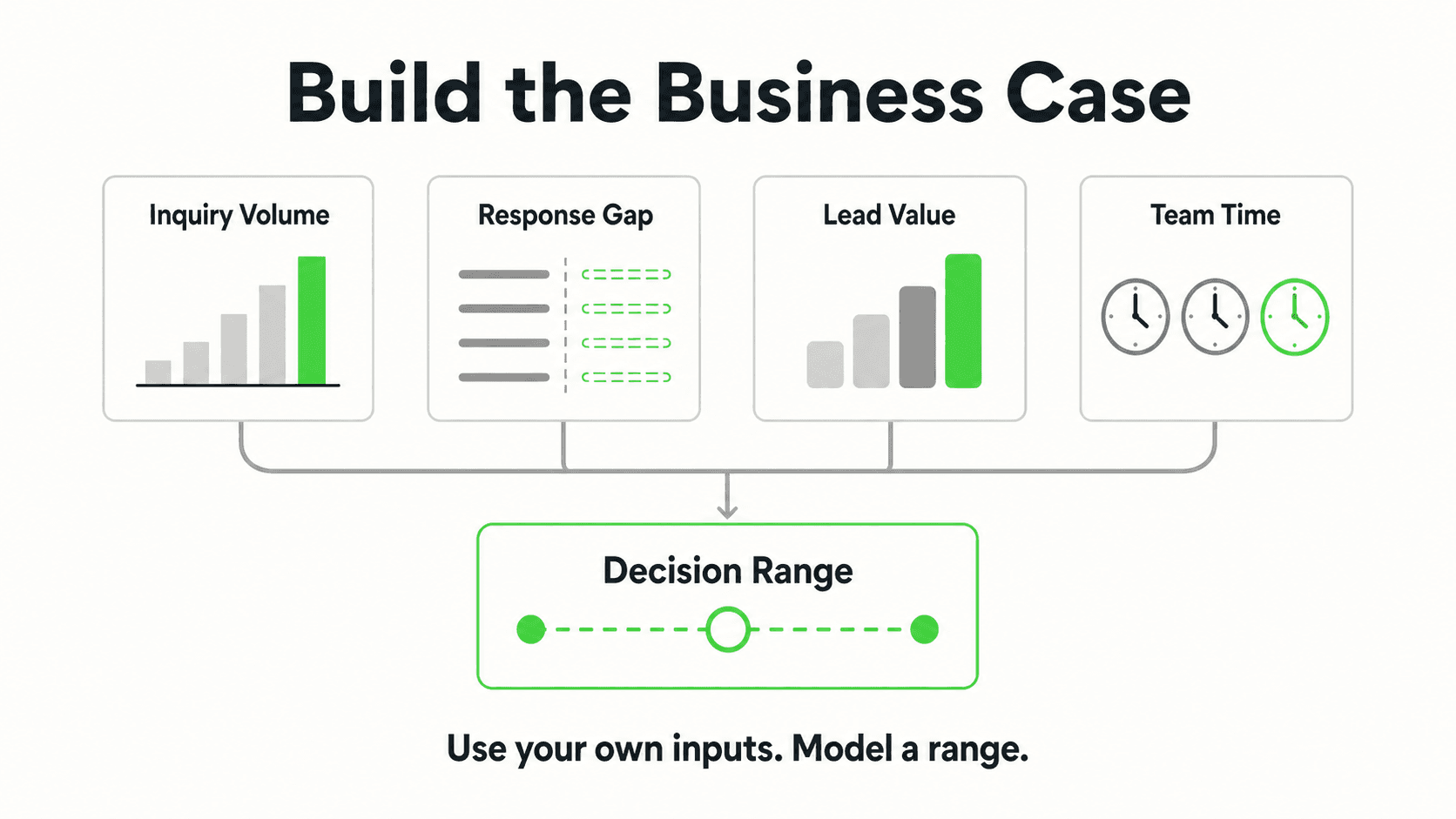
- Calculate your cost: Multiply missed calls by your average patient lifetime value. This is the revenue at risk.
- Identify peak problem times: When do most calls go unanswered? Monday mornings, lunch hours, and after 4 PM are the most common trouble spots.
- Survey patient preferences: Ask 50 patients how they prefer to communicate with your office. You will likely find that the majority prefer text and digital channels.
- Benchmark against national averages: Use the statistics in this article to see where your practice stands relative to the industry.
Phase 2: Quick Wins (Weeks 3-4)
Implement changes that require minimal investment:
- Deploy text-based appointment reminders: If you are still relying on phone-only reminders, switching to a multi-touch SMS sequence (48 hours, 24 hours, 2 hours before) is the single highest-ROI change you can make
- Adjust staffing around peak hours: If 38% of calls arrive in the first and last hours of the day, ensure maximum coverage during those windows
- Add online self-scheduling: 67% of patients prefer to book appointments online (Source: DocResponse, 2025; industry estimate, not independently verified). Even a basic web scheduling widget reduces phone volume
Phase 3: AI-Powered Communication (Weeks 5-8)
Deploy technology that provides 24/7 patient engagement:
- AI chatbot on your website: Capture and respond to inquiries from patients who visit your website outside business hours. Handle scheduling, FAQs, insurance questions, and pre-visit instructions automatically with document-grounded responses.
- Multi-channel availability: Meet patients where they are — website chat, WhatsApp, Facebook Messenger, and Instagram DM. Hyperleap AI supports all four channels for healthcare practices.
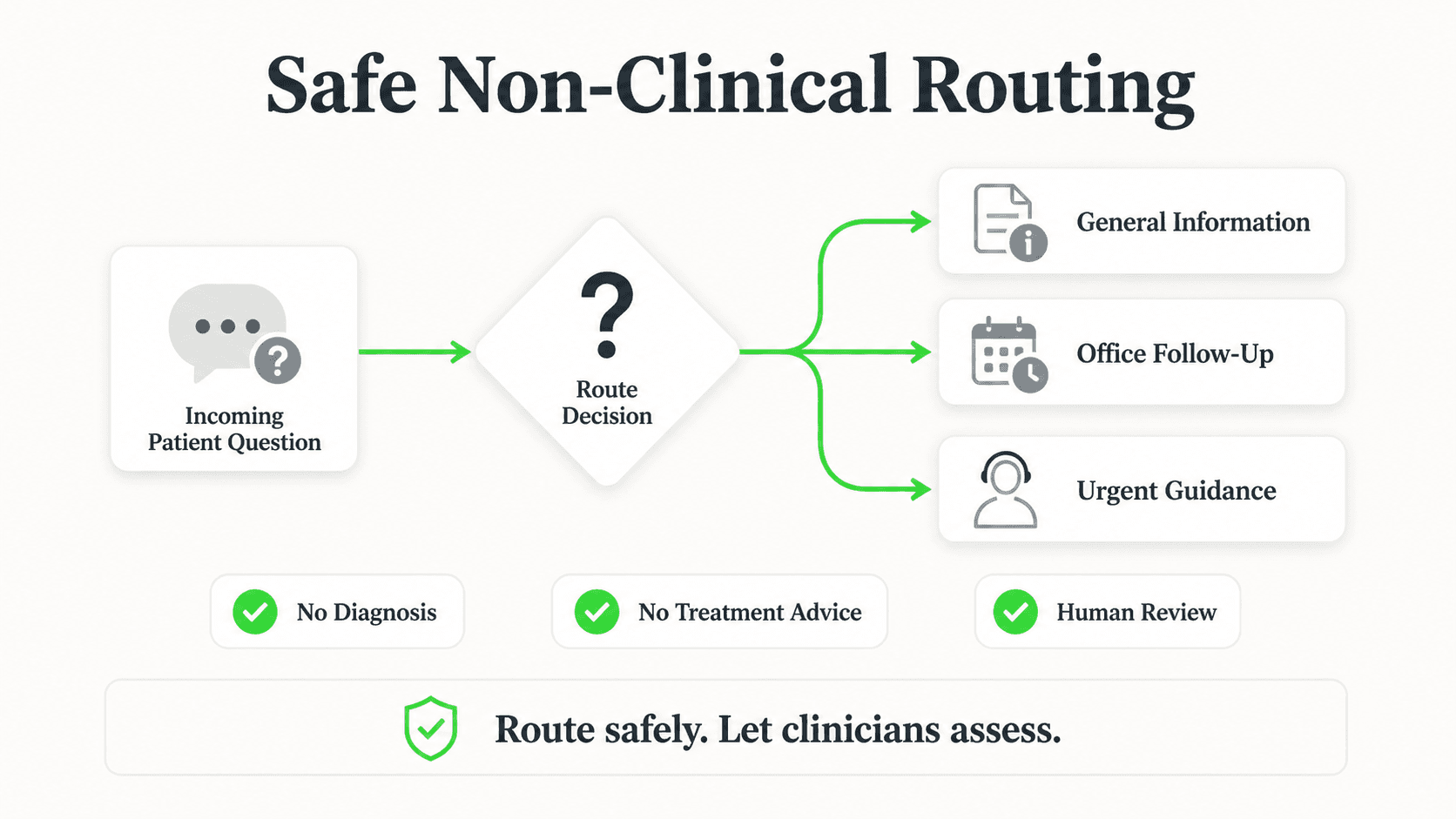
- Intelligent routing: Configure the system to route urgent situations to your on-call team immediately while handling routine inquiries automatically. The AI should never attempt clinical assessment — only route patients to the appropriate care team.
- Automated follow-ups: Post-visit check-ins, prescription reminders, and care plan follow-ups sent through patients' preferred channels
HIPAA Compliance Is Non-Negotiable
Any communication tool that handles patient information must comply with HIPAA regulations. Require a Business Associate Agreement (BAA), verify AES-256 encryption for data at rest and in transit, and ensure the platform offers audit logging and role-based access controls. For a detailed compliance checklist, see our complete guide to HIPAA-compliant AI chatbots for healthcare.
Phase 4: Measure and Optimize (Ongoing)
Track the impact and refine:
- Compare missed call rates before and after implementation — target a reduction to under 10%
- Monitor no-show rates by channel and reminder sequence to identify what works best for your patient population
- Track new patient acquisition numbers and source attribution month over month
- Calculate ROI by comparing the cost of your communication tools against recovered revenue and reduced no-shows
- Review patient satisfaction through post-visit surveys and Google review trends
- Optimize channel mix based on which channels your patients actually use and prefer
Frequently Asked Questions
Will AI communication tools replace my front-desk staff?
No. AI communication tools handle the routine, repetitive tasks that overwhelm front-desk staff — scheduling confirmations, appointment reminders, after-hours FAQs, and basic inquiries. Your team remains essential for complex scheduling, insurance disputes, patient concerns, and the personal interactions that build lasting patient relationships. The goal is to free your staff from the phone so they can focus on in-person patient care. Practices that implement AI tools typically report reduced staff burnout and lower turnover, not staff reductions.
How much do AI patient communication tools cost compared to hiring?
A full-time medical receptionist costs $32,000-$42,000 annually in salary, plus benefits, training, and overhead. AI-powered communication tools typically cost a fraction of that. Hyperleap AI plans start at $40 per month, and the tool provides 24/7 coverage that a single employee cannot. The key difference is scalability: an AI chatbot handles 100 simultaneous inquiries as easily as one, with no overtime, sick days, or burnout. Most practices see positive ROI within 30-60 days.
How long does it take to implement AI communication for a medical practice?
Most practices can deploy a basic AI communication system within 2-4 weeks. This includes configuring the chatbot with your practice-specific information (services, hours, insurance accepted, appointment types), setting up channels (website, WhatsApp, Facebook Messenger), and training staff on the new workflow. Full optimization — including EHR integration, advanced routing, and multi-channel deployment — typically takes 60-90 days.
Are healthcare AI chatbots HIPAA-compliant?
They can be, but not all are. HIPAA compliance requires encrypted data transmission (TLS 1.2+), encrypted data at rest (AES-256), a signed Business Associate Agreement, audit logging, role-based access controls, and the minimum necessary standard for data collection. Always verify that any vendor you evaluate provides a BAA, can demonstrate SOC 2 Type II certification, and offers configurable guardrails. For non-PHI use cases like appointment scheduling and general FAQs, compliance risk is lower. For a deeper dive, read our HIPAA-compliant AI chatbot guide.
Do patients actually want to interact with AI for healthcare questions?
The data says yes for routine interactions. 70% of patients prefer text messaging for reminders and updates, 67% prefer to book appointments online, and 52% of patients already acquire health data through healthcare chatbots (Source: DemandSage, 2026). Patients draw a line at clinical discussions — 89% prefer a real person for complex medical conversations (Source: WellReceived, 2025; industry estimate, not independently verified). The most effective approach is AI for routine tasks (scheduling, FAQs, hours, directions, insurance questions) and human staff for clinical matters, complaints, and complex situations.
How do these statistics differ by practice specialty?
The core trends apply across specialties, but the financial impact varies significantly. Primary care patient lifetime values average approximately $3,000, while specialty practices can exceed $25,000-$50,000 per patient (Source: Vital Interaction, 2024; Nextech, 2024; industry estimate, not independently verified). No-show rates also vary: primary care averages 18-20%, while some specialties see rates above 30% (Source: Curogram, 2025; industry estimate, not independently verified). Communication preferences are largely consistent across specialties — patients want text reminders and digital access regardless of whether they are visiting a dermatologist or a cardiologist.
What is the single most impactful change a practice can make?
Based on the data, implementing multi-touch text message reminders (48 hours, 24 hours, and 2 hours before each appointment) delivers the fastest, most measurable ROI. It addresses the leading cause of no-shows (forgetfulness at 36%), uses patients' preferred channel (70% prefer text), and achieves near-universal reach (98% open rate). If your practice is still relying on phone-only reminders, this one change can reduce no-shows by 30-50% and recover tens of thousands of dollars in annual revenue.
The Communication Gap Is the Competitive Gap
The statistics in this article tell a consistent story: patient communication expectations are rising faster than most practices can adapt. The 69% switching rate, the 4-minute hold times, the 23-42% missed call rates, the $150 billion annual no-show cost — these are not abstract industry problems. They are playing out in your waiting room, on your phone lines, and in your revenue reports every single day.
But the same data that reveals the problem also points to the solution. Practices that adopt multi-channel, AI-powered communication tools are capturing the patients that their competitors miss. They are reducing no-shows by 30-50%, responding to after-hours inquiries that represent 40% of demand, and turning satisfied patients into referral sources at rates 4x the industry average.
The window of advantage is open. With only 19% of practices using AI communication tools today, early movers still have time to differentiate. But as adoption accelerates — and the $943 million projected market by 2032 tells you it will — that window will close.
The practices that thrive will be the ones that stop treating patient communication as an overhead cost and start treating it as their primary growth engine. The data is clear. The question is whether your practice will act on it.
What is an AI chatbot in business terms?
A customer-facing chat agent that answers questions, qualifies inquiries, and captures leads 24/7. Modern AI chatbots are grounded in your business content (not the open internet) and run across your website and messaging channels with the same persona and knowledge.
How is Hyperleap different from a chat widget or a live chat tool?
Live chat tools route to humans; basic widgets follow scripted flows. Hyperleap is an AI agent grounded in your content — it understands intent, retrieves from your knowledge base, qualifies leads, and escalates only when needed. Same answers across website, WhatsApp, Instagram DM, and Facebook Messenger.
How long does it take to set up an AI chatbot with Hyperleap?
Most SMBs go live in 3–5 days for self-serve setup. With Managed Setup ($299 Free, available on every plan), Hyperleap builds the bot for you on your content and channels. A 7-day free trial is included on every plan.
Ready to Close the Communication Gap?
Hyperleap AI helps healthcare practices respond to every patient inquiry 24/7 — across website chat, WhatsApp, and more — with document-grounded responses and a non-PHI design that keep patients engaged and appointments filled.
Start Your Free TrialIndustry Solutions
See how AI chatbots work for these industries:
Related Articles
Dental Practice Customer Communication Statistics 2026
40+ sourced statistics on dental patient communication, no-shows, new patient acquisition costs, and patient expectations.

Response Time vs Conversion Rates: 10 Industries
From real estate to dental practices, the data is clear: faster response means higher conversion. Here's what the numbers show for 10 industries.

Law Firm Intake Stats 2026: 26% Never Respond to Leads
40+ sourced statistics on law firm response times, lead conversion rates, and client expectations. The data shows why the fastest firms win the best cases.

Restaurants Lose Reservations to Faster Competitors
Diners call 2-3 restaurants and book with whoever answers. With average covers worth $50-150, every missed inquiry costs real revenue.