Restaurants Lose Reservations to Faster Competitors
Diners call 2-3 restaurants and book with whoever answers. With average covers worth $50-150, every missed inquiry costs real revenue.
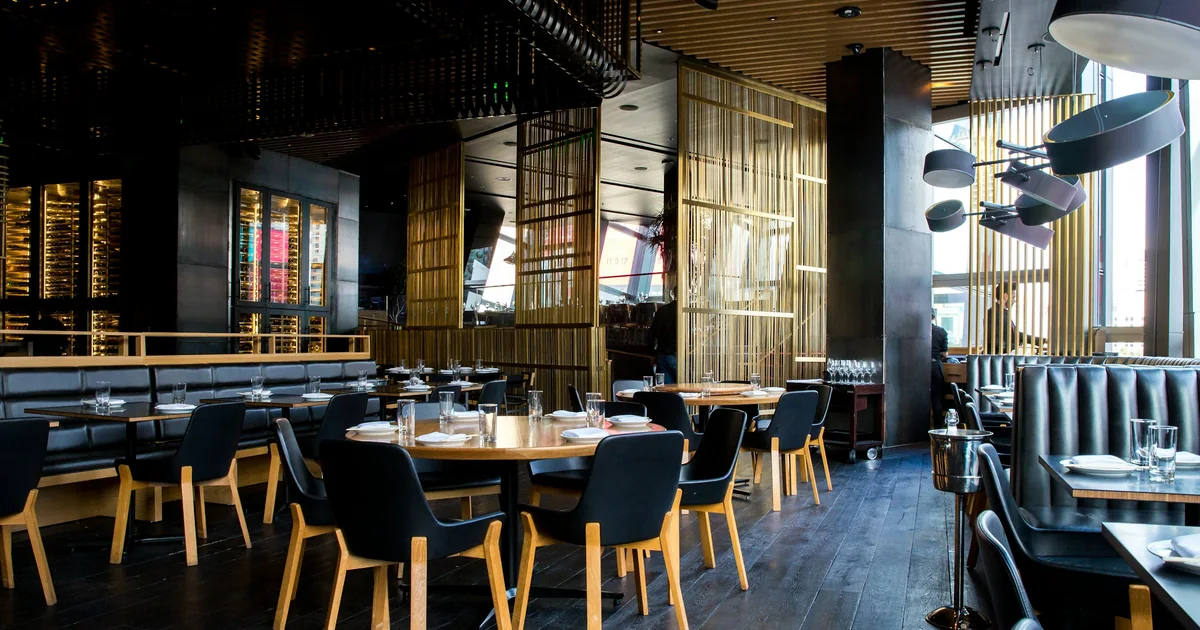
TL;DR: When a group of 8 wants a Saturday dinner reservation, they don't leave one voicemail and wait. They message 2-3 restaurants and book with whoever confirms first. Based on industry research, restaurants miss up to 30-40% of incoming calls during peak service hours — when the kitchen is firing, the host stand is packed, and every staff member is occupied with in-house guests. With average covers worth $50-150 per person, a single missed party of 6 can mean $300-$900 in lost revenue that evening alone. The solution isn't hiring more hosts — it's ensuring every inquiry gets an instant response, around the clock.
Restaurants Lose Reservations to Competitors Who Respond First
When a group of 8 wants a Saturday dinner reservation, they don't leave one voicemail and wait. They pull up Google, browse Instagram for ambiance photos, and message 2-3 restaurants simultaneously. The first restaurant to confirm availability, share the menu, and lock in the reservation wins the entire party's spend — appetizers, entrees, drinks, dessert. Based on industry research, restaurants miss a significant share of incoming calls during peak dinner service, and those missed calls represent diners who simply book elsewhere. The fix isn't more staff scrambling between tables and a ringing phone — it's an AI chatbot for restaurants that handles every inquiry instantly while your team focuses on the guests already seated.
30-40%
Calls Missed During Peak Service
$50-$150
Average Revenue Per Cover
5 min
Window to Capture a Reservation
60%+
Inquiries Outside Business Hours
What Is AI-Powered Guest Communication for Restaurants?
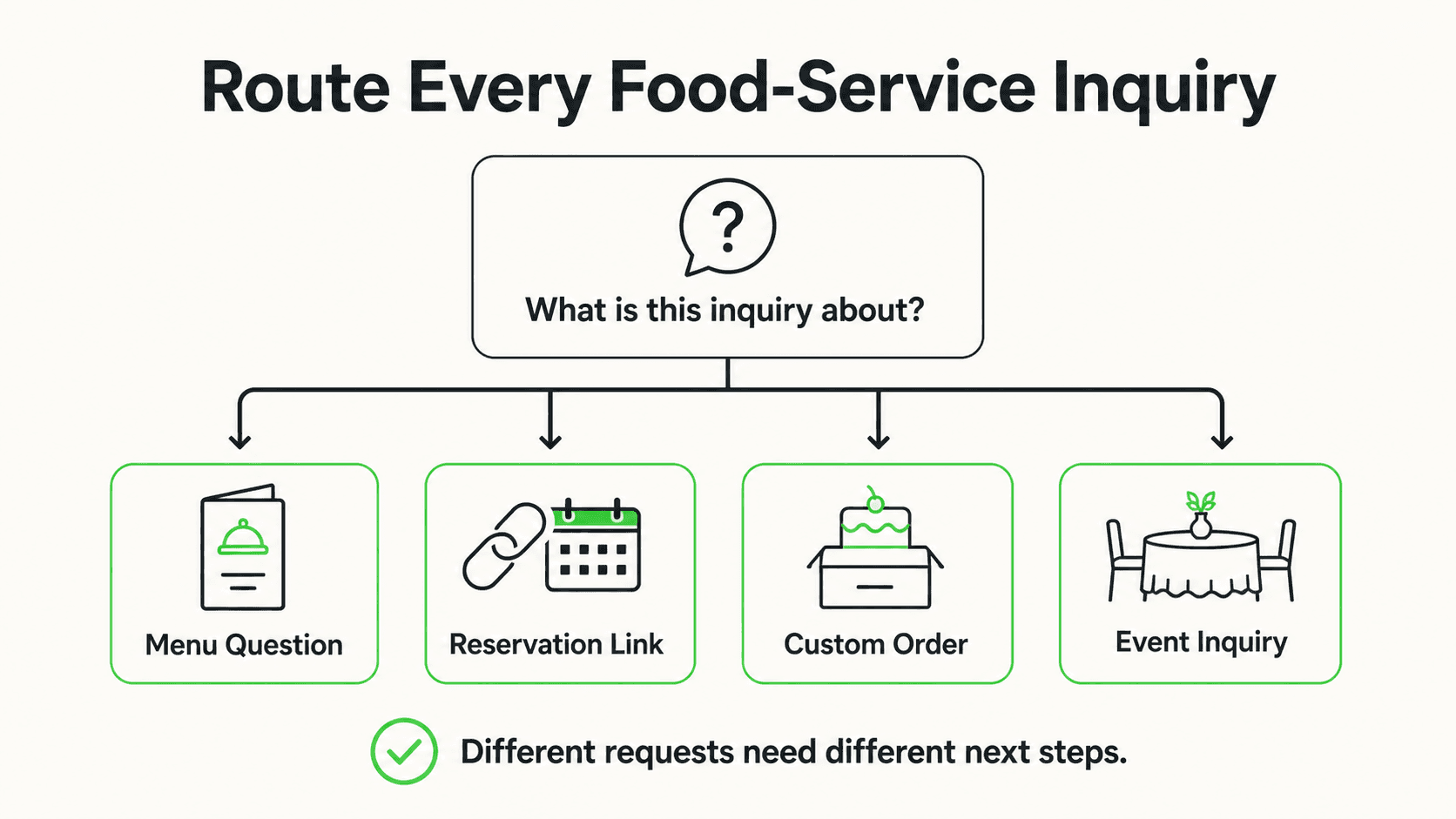
AI-powered guest communication means every inquiry — whether it comes through your website, WhatsApp, Instagram DM, or Facebook Messenger — receives an immediate, intelligent reply regardless of whether it's 7 PM on a Friday when your dining room is full, or 2 AM when a night owl is planning a birthday dinner.
Unlike a voicemail box or a generic contact form, a modern AI chatbot for restaurants can:
- Capture reservation inquiries by collecting party size, preferred date and time, contact information, and special requests — then notifying your team for confirmation
- Answer menu questions including ingredients, preparation methods, and pricing
- Handle dietary and allergy inquiries with document-grounded responses based on your actual menu data
- Collect private event and catering leads with detailed requirements for your events team
- Provide hours, location, and parking information without tying up your host or manager
- Get guests booked — if you take bookings through Calendly or Cal.com, the agent offers live open times and books the slot in the chat (on Pro and Max); otherwise it shares your reservation page link
This goes far beyond what a phone tree or answering service provides. An AI chatbot designed for restaurants understands your menu, knows your policies, and can hold a natural conversation that feels like chatting with a knowledgeable member of your front-of-house team.
The contrast with traditional approaches is stark: an answering service takes a message and promises a callback, while an AI assistant actually resolves the guest's need in real time — answering the dietary question, capturing the reservation details, or providing the private dining options they're looking for. And unlike your host stand, it never puts anyone on hold because two parties arrived at the same time.
Why Restaurants Lose Diners to Slower Competitors
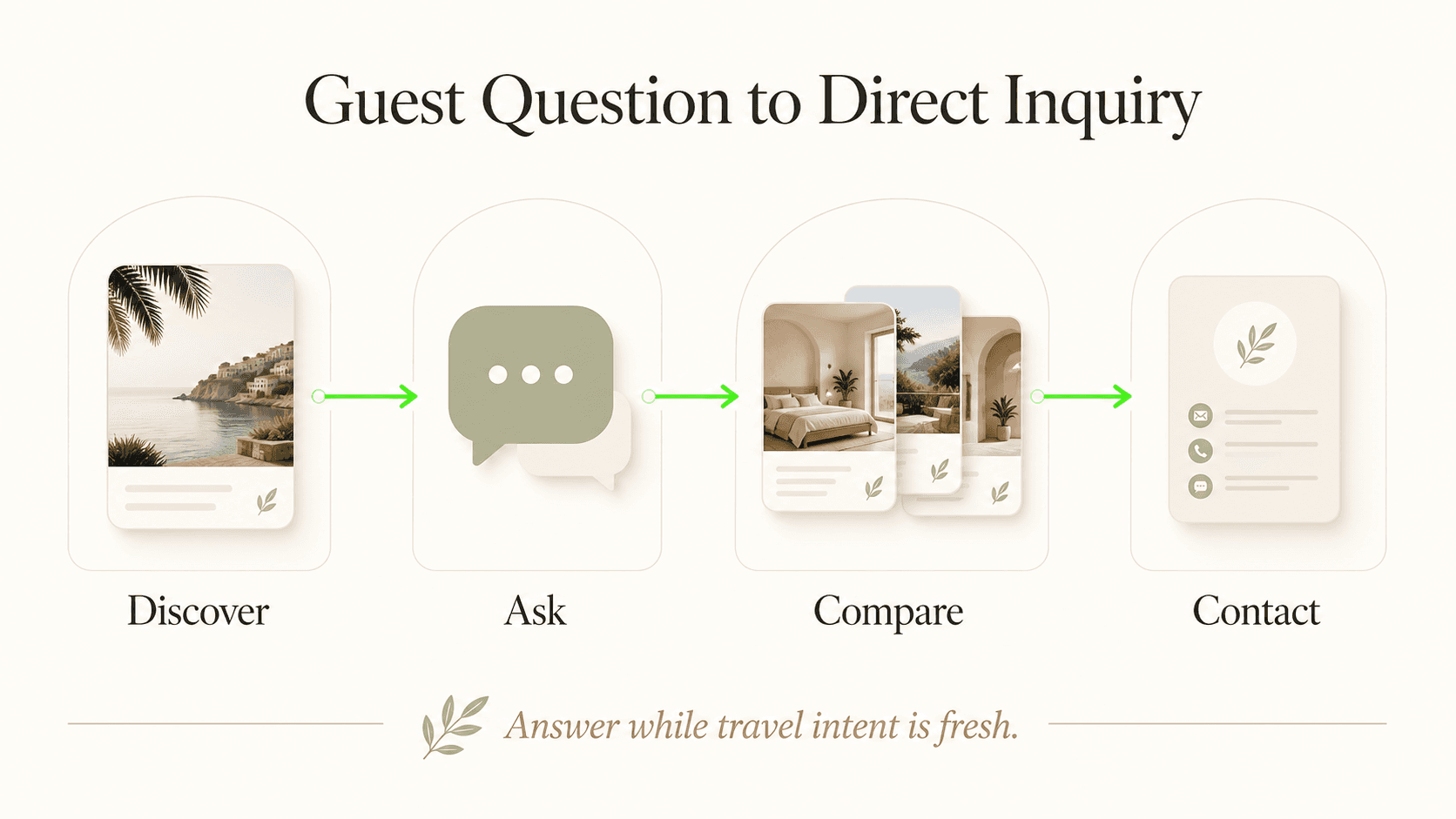
Peak Hours Equal Peak Missed Calls
Your busiest hours are exactly when you miss the most inquiries. Between 5:30 PM and 8:30 PM, your host is seating guests, your servers are in the weeds, and your manager is putting out fires in the kitchen. The phone rings — and rings — and goes to voicemail. Based on industry research, restaurants can miss 30-40% or more of incoming calls during peak dinner service (typical results vary by restaurant size and staffing). Each of those calls could be a party of 4 looking to book for tomorrow night.
The cruel irony of the restaurant business: the hours when you're proving you run a great restaurant are the same hours you're losing future guests who can't reach you. Your response time directly impacts conversion — diners who get an instant answer book at dramatically higher rates than those who leave a voicemail and hope for a callback.
Instagram DMs Go Unanswered
Your food photos drive discovery — but your DM response rate kills conversions. A potential guest sees your beautifully plated risotto on Instagram, taps "Message," and asks "Do you have outdoor seating?" or "Can you accommodate a party of 10 next Saturday?" That DM sits in your inbox for hours — or days — because nobody on your team monitors Instagram during service. By the time someone checks, the guest has already booked elsewhere.
Instagram is the primary discovery channel for restaurants, especially among 25-45 year old diners. When diners reach out through the platform where they discovered you and receive silence, the disconnect is jarring. Every unanswered DM is a guest who was excited about your restaurant and left feeling ignored.
Dietary and Allergy Questions Need Instant Answers
Guests with dietary restrictions don't gamble on restaurants that can't confirm options. A parent planning a family dinner where one child has a nut allergy, a guest hosting a business dinner for a group that includes a vegan — these diners need specific, accurate answers before they commit to a reservation. If they message your restaurant asking "Do you have gluten-free pasta options?" and don't hear back within minutes, they'll find a restaurant that confirms it immediately.
Dietary inquiries are high-intent signals. A guest asking about allergen information is already deciding between your restaurant and one or two others. The restaurant that provides clear, confident, document-grounded answers wins that reservation — and often, a loyal repeat customer who trusts you with their dietary needs.
Private Event Inquiries Have High Lifetime Value but Slow Response
A single private event inquiry can be worth $2,000-$15,000 — and they're the most commonly delayed responses. Birthday dinners, corporate events, rehearsal dinners, holiday parties — these inquiries typically arrive via email or web form and sit in a general inbox until someone has time to respond. Based on industry research, event inquiries that don't receive a response within a few hours see significantly lower conversion rates (typical results vary).
The lifetime value extends beyond the single event. A corporate client who hosts a successful holiday dinner at your restaurant often becomes a repeat customer for quarterly team dinners, client entertainment, and annual celebrations. Losing that initial inquiry to a slow response means losing years of high-value bookings.
After-Hours Browsing Is When Decisions Happen
Most restaurant research happens after your staff has gone home. Diners browse menus, read reviews, and plan their week's dining between 9 PM and midnight — long after your last seating. Sunday morning is another peak research period as people plan the week ahead. Based on hospitality industry data, a substantial share of dining inquiries arrive outside standard business hours, similar to the 35% after-hours inquiry rate discovered in the Jungle Lodges case study for hospitality businesses. Every one of these inquiries that hits a voicemail or goes unanswered is a reservation that your competitors — or delivery apps — will capture instead.
The Real Competition
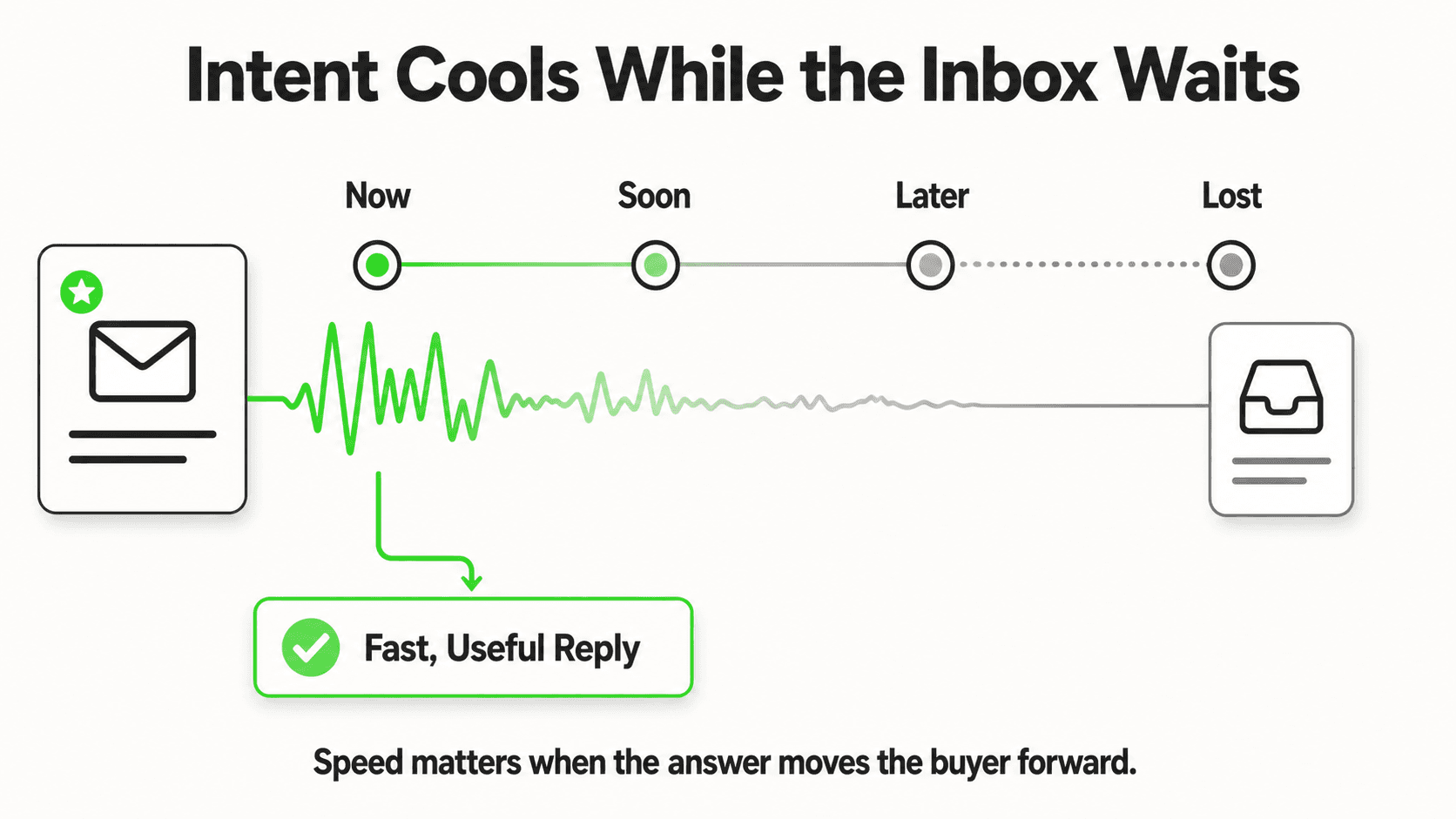
Your biggest competitor isn't the restaurant across the street with a better wine list. It's the restaurant that responds to a 10 PM Instagram DM in 30 seconds while your inbox stays dark until tomorrow morning. When two good restaurants compete for the same party, the one that confirms first wins — regardless of Yelp ratings, Michelin stars, or menu prices.
7 Ways AI Chatbots Help Restaurants Capture More Reservations
1. Instant Reservation Inquiry Capture on Any Channel
What this looks like in practice: A couple browsing your website at 10 PM on Tuesday wants to book a table for four on Friday evening. Your AI chatbot immediately asks for their preferred time, party size, any special occasion, and contact details. It collects all the information, confirms the inquiry, and notifies your reservation manager — all within 60 seconds. The guest wakes up to a confirmation text from your team the next morning.
Real-world impact: Restaurants that implement instant inquiry capture on their website and messaging channels typically see significant improvements in reservation conversion rates, particularly for inquiries that arrive outside business hours (typical results vary by restaurant type and location).
Why it matters: The chatbot doesn't book the reservation directly — it captures all the details a guest would provide to your host, then routes that information to your team for confirmation. This means you never miss an inquiry, your team reviews and confirms at their convenience, and the guest gets an immediate acknowledgment that their request was received.
Key factors:
- Captures party size, date, time, contact info, and special requests automatically
- Works across website, WhatsApp, Instagram DM, and Facebook Messenger
- Notifies staff instantly for time-sensitive requests
- Books slots in the chat if you use Calendly or Cal.com (on Pro and Max); otherwise shares your reservation page link
2. Menu Navigation and Dietary Restriction Handling
What this looks like in practice: A guest messages on WhatsApp: "We're a party of 6 coming Saturday. Two of us are vegetarian, one has a shellfish allergy. What would you recommend?" Your AI chatbot — trained on your complete menu with ingredients and allergen data — immediately responds with specific dish recommendations, notes which items can be modified, and flags the shellfish allergy for the kitchen team.
Real-world impact: Based on industry research, dietary restriction inquiries are among the highest-intent pre-reservation questions. Guests who receive detailed, confident allergen information are significantly more likely to complete their reservation than those who receive a generic "we can accommodate most dietary needs" response (typical results vary).
Why it matters: Menu and dietary questions are perfect for AI because the answers are factual and document-grounded — pulled directly from your uploaded menu data. There's no guesswork. The chatbot provides the same accurate information your best server would, but it does it at 11 PM on a Wednesday when nobody's at the restaurant.
Key factors:
- Responses are grounded in your actual menu documents — designed to minimize hallucinations
- Handles common allergens: nuts, shellfish, dairy, gluten, soy
- Can recommend specific dishes based on dietary preferences
- Flags complex allergy situations for staff follow-up
3. Private Event and Catering Lead Capture
What this looks like in practice: A corporate admin messages via your website: "I'm looking to host a holiday dinner for 30 people in mid-December. We'd need a private space, a prix fixe menu, and AV for a brief presentation. What's available?" Your AI chatbot collects the date range, headcount, budget range, menu preferences, and AV requirements — then routes the complete brief to your events manager with all details organized.
Real-world impact: Private events and catering represent some of the highest-value revenue per interaction for restaurants. A single corporate holiday dinner can generate $3,000-$10,000 or more. Based on industry research, event inquiries that receive a response within one hour convert at significantly higher rates than those that wait until the next business day (typical results vary).
Why it matters: Event inquiries are complex — they involve multiple variables that your team needs to evaluate before quoting. The AI chatbot's role isn't to quote the event, but to capture every detail so your events team can respond with a complete, professional proposal. This transforms a vague "I'm looking for event space" into a detailed brief that your team can act on immediately.
Key factors:
- Collects date, headcount, budget, menu preferences, and special requirements
- Routes complete event briefs to your events manager
- Follows up if the guest hasn't responded to your proposal
- Captures events that would otherwise be lost to slow email response
4. After-Hours Coverage for Late-Night and Morning Inquiries
What this looks like in practice: It's 11:30 PM and a diner who just finished a late movie is planning a birthday dinner for next week. They visit your website, ask your AI chatbot about private dining options for 12, learn about your chef's tasting menu, and submit a complete reservation request — all while your restaurant is closed and your staff is asleep.
Real-world impact: In our work with hospitality businesses, after-hours inquiries represent a substantial share of total guest communication. The Jungle Lodges & Resorts case study revealed that 35% of all inquiries came outside business hours — leads that were previously invisible and completely unmonetized. The hospitality pattern holds for restaurants: late-night browsers and early-morning planners represent a significant revenue opportunity most restaurants never capture.
Why it matters: After-hours isn't just about being available — it's about capturing demand that would otherwise evaporate. A diner planning at 11 PM who doesn't get an answer will either forget by morning, choose a competitor who responded, or default to a delivery app. Slow response times cost businesses real revenue — the data is clear across every industry.
Key factors:
- 24/7 automated coverage with zero additional staffing costs
- Captures late-night planners (9 PM - midnight) and early-morning researchers (6 AM - 9 AM)
- Immediate acknowledgment builds trust even when confirmation comes next morning
- Mirrors the Jungle Lodges 35% after-hours opportunity seen across hospitality
5. Instagram DM Automation for Visual Discovery
What this looks like in practice: Your social media manager posts a stunning photo of your new seasonal cocktail menu. Within hours, 15 people DM your restaurant asking about happy hour times, whether they need a reservation, and if you have outdoor seating. Your AI chatbot responds to every DM instantly — answering questions, sharing your booking link, and capturing reservation inquiries — while your social media manager focuses on creating more content.
Real-world impact: Instagram is the top discovery platform for restaurants, particularly for special occasions, date nights, and group dinners. Based on industry research, restaurant Instagram engagement that leads to a DM represents extremely high purchase intent (typical results vary). When those DMs go unanswered for hours, the conversion opportunity is lost.
Why it matters: Instagram DMs are uniquely valuable because the guest has already seen your food, your ambiance, and your presentation. They're pre-sold on the experience — they just need logistical information to complete the booking. An AI chatbot that answers within seconds captures this high-intent traffic at the moment of peak excitement.
Key factors:
- Responds to DMs within seconds, 24/7
- Handles the most common DM questions: hours, location, reservations, menu, dietary options
- Shares your booking link for immediate reservation capture
- Frees your social media team to focus on content, not customer service
6. WhatsApp for Repeat Customer Engagement
What this looks like in practice: A regular customer messages your restaurant on WhatsApp: "Hey, can we get our usual table for 4 this Friday at 7:30? Also, is the lobster risotto back on the menu?" Your AI chatbot confirms the inquiry and answers the menu question instantly. Your host reviews and confirms the reservation within minutes. The customer feels recognized, valued, and taken care of — without your staff dropping what they're doing to check their phone.
Real-world impact: WhatsApp is the preferred communication channel for restaurant guests in many markets, particularly in Asia, Europe, the Middle East, and Latin America. For restaurants in tourist areas or international cities, WhatsApp availability can be the difference between capturing and losing international guests. Learn more about step-by-step WhatsApp chatbot setup guide for your restaurant.
Why it matters: Repeat customers are the foundation of restaurant profitability. Based on industry research, repeat diners spend significantly more per visit than first-time guests and visit more frequently. WhatsApp gives your regulars a direct, personal channel to reach you — and AI ensures they always get an immediate response, even during peak service.
Key factors:
- Preferred channel for international guests and many domestic markets
- Enables conversational, personal communication that builds loyalty
- Handles reservation inquiries, menu questions, and hours automatically
- Supports rich media (Pro and Max) — share menu PDFs, event flyers, and location maps
7. Multi-Language Support for Tourist Areas
What this looks like in practice: A Japanese tourist couple visiting your restaurant district messages your Instagram in Japanese: "Do you have a vegetarian menu? We'd like a table for 2 tonight at 8 PM." Your AI chatbot responds in Japanese, confirms vegetarian options, and captures the reservation inquiry — no staff member needs to speak Japanese, and no inquiry is lost to a language barrier.
Real-world impact: For restaurants in tourist destinations, business districts with international offices, or diverse urban neighborhoods, language barriers are a real source of lost revenue. Based on industry research, tourists tend to choose restaurants where they can communicate comfortably, often defaulting to chain restaurants with multilingual websites over local favorites that only communicate in one language (typical results vary).
Why it matters: Multi-language support removes one of the most stubborn barriers to capturing international diners. Your food might be exactly what a tourist is looking for, but if they can't confirm a reservation or ask about ingredients in their language, they'll walk past your door to a restaurant that makes communication easy.
Key factors:
- Supports conversations in multiple languages automatically
- Particularly valuable in tourist destinations, airport districts, and international business areas
- Removes language barriers without requiring multilingual staff
- Helps local restaurants compete with chain restaurants that have multilingual digital presence
Stop Losing Reservations to Missed Inquiries
Hyperleap AI helps restaurants respond to every guest inquiry instantly — on your website, WhatsApp, Instagram DM, and Facebook Messenger. No missed calls. No lost reservations.
See How It WorksReal Results: What Restaurants Are Achieving with AI
Hospitality Case Study: Jungle Lodges & Resorts
While restaurant-specific case studies are still emerging, the most relevant parallel comes from the hospitality industry. Jungle Lodges & Resorts, a Karnataka government-owned hospitality group, deployed an AI chatbot and achieved remarkable results:
- 3,300+ qualified leads captured through AI-assisted conversations
- 35% of all inquiries arrived outside business hours — previously invisible and unmonetized
- 100+ confirmed bookings directly attributable to the chatbot in the first month
- Positive ROI within the first month of deployment
These results are directly applicable to restaurants. The hospitality dynamics — perishable inventory (empty tables vs. empty rooms), time-sensitive inquiries, after-hours demand, and multi-channel guest communication — are nearly identical.
What Restaurants Can Expect (Typical Results Vary)
Based on the hospitality parallel and industry research, restaurants implementing AI-powered guest communication typically report:
- Significant reduction in missed guest inquiries across all channels
- Increased private event bookings from faster, more complete lead capture
- Improved after-hours conversion by capturing late-night and early-morning planners
- Reduced staff interruptions during peak service hours
- Better guest satisfaction scores from consistent, instant responses
Illustrative Example: A 60-Seat Restaurant
Consider a 60-seat restaurant doing 150 covers on a typical Friday night, with an average check of $75 per person:
- If the restaurant misses 10 reservation inquiries per week during peak hours and after hours
- And each missed inquiry represents an average party of 3
- That's 30 potential covers lost per week, or roughly $2,250 in weekly revenue
- Over a year: approximately $117,000 in potential revenue from missed inquiries alone
Note: This is an illustrative example. Actual results vary significantly based on restaurant size, location, cuisine type, pricing, and existing response systems.
Operational Efficiency
The operational improvements are equally impactful:
- 1-2 hours daily freed from phone-based inquiry handling during service
- 80%+ of common questions handled automatically (hours, location, parking, menu, dietary options)
- Immediate routing of private event inquiries to your events team
- Consistent information delivered every time — no more different answers from different staff members
Getting Started: Deploy a Restaurant AI Chatbot in 5 Minutes
Phase 1: Upload Your Restaurant Information (10 Minutes)
Start by giving your AI chatbot the knowledge it needs to represent your restaurant accurately:
- Upload your menu — including prices, ingredients, allergen information, and any seasonal variations. The more detail you provide, the more accurately the chatbot handles dietary questions.
- Add your hours and location — include regular hours, holiday hours, happy hour times, brunch schedule, and parking information.
- Include your policies — reservation policy, cancellation policy, dress code, corkage fees, private dining minimums, and any other frequently asked questions.
- Add event information — private dining capacity, catering menu, AV capabilities, and minimum spend requirements.
Phase 2: Configure Your Website Chat (5 Minutes)
Deploy the chatbot on your restaurant website:
- Install the chat widget — a simple code snippet added to your website. Works with any website platform including Shopify, WordPress, Squarespace, Wix, and Webflow.
- Customize the greeting — set a welcome message that matches your restaurant's tone and personality.
- Set up staff notifications — ensure reservation inquiries and event leads are immediately routed to the right team member via email or push notification.
Phase 3: Connect WhatsApp (5 Minutes)
Add WhatsApp as a guest communication channel:
- Connect your WhatsApp Business account to your AI chatbot.
- Set up automated responses for common inquiries — the chatbot handles menu questions, hours, and reservation requests on WhatsApp just as it does on your website.
- Display your WhatsApp number on your website, Google Business profile, and social media bios.
Phase 4: Add Instagram DM (5 Minutes)
Capture the high-intent traffic from your social media presence:
- Connect your Instagram business account to your AI chatbot.
- Enable automatic DM responses — every DM gets an instant reply, whether it's about reservations, menu, or private events.
- Update your Instagram bio with a call-to-action that encourages DMs for reservations.
Phase 5: Set Up Notifications and Review Workflow (5 Minutes)
Ensure your team stays in the loop:
- Configure notification preferences — choose email, push, or both for different inquiry types.
- Set up escalation rules — complex dietary questions, large event inquiries, and VIP guests can be routed to specific team members.
- Establish a review cadence — check captured leads at the start of each shift, confirm reservation inquiries, and follow up on event leads within the hour.
Start with Your Busiest Pain Point
You don't need to launch on every channel at once. If your biggest issue is missed calls during dinner service, start with website chat. If Instagram DMs are your blind spot, start there. Most restaurants see immediate value from just one channel, which builds confidence to expand. The entire setup takes about 5 minutes, and most restaurants see their first AI-captured inquiry within hours of going live.
Frequently Asked Questions
Will an AI chatbot replace my host or front-of-house staff?
No — and that's not the goal. An AI chatbot handles the inquiries your front-of-house team can't get to: the phone calls during peak service, the Instagram DMs that sit unread, the after-hours website visitors, and the repetitive questions about hours and parking. Your host, servers, and managers remain the heart of your guest experience. The chatbot simply ensures that the guests who haven't walked through your door yet receive the same attention as those already seated. Think of it as a digital extension of your host stand that never takes a break.
Can the chatbot handle special dietary requests accurately?
Yes, with an important nuance. The chatbot provides document-grounded responses based on the menu and allergen information you upload. If you document that your risotto contains dairy and your pad thai is nut-free, the chatbot will relay that information accurately. It's designed to minimize hallucinations by only answering from your provided data. For complex allergy situations — such as a guest with multiple severe allergies — the chatbot will collect the details and escalate to your kitchen team for a personalized response. The key is providing thorough, accurate menu documentation during setup.
How much does a restaurant chatbot cost?
AI chatbot platforms for restaurants typically range from $40 to $200 per month depending on features, channels, and message volume. Compare this to the cost of a missed private event inquiry ($2,000-$15,000) or even a single missed table of 4 on a Saturday night ($200-$600). Most restaurants achieve positive ROI within the first week. See current pricing for Hyperleap AI's specific plan details — plans start at $40/month with a 7-day free trial.
Can it actually book reservations or just collect inquiries?
The AI chatbot captures reservation inquiries — collecting party size, preferred date and time, contact information, and special requests — then notifies your team for confirmation. If you take bookings through Calendly or Cal.com (common for private dining, tastings, or classes), it can show live availability and book the slot right in the conversation (on Pro and Max; on Plus, it shares your booking link). It does not book into restaurant reservation systems like OpenTable or Resy — for those it shares your reservation page link. This approach gives you full control over your table management while ensuring no inquiry goes unacknowledged. Your team reviews and confirms reservations just as they would with a phone call — but without the missed calls.
Does it work with Instagram and WhatsApp?
Yes. Hyperleap AI supports four channels: website chat widget, WhatsApp Business API, Instagram DM, and Facebook Messenger. You can deploy on one channel or all four — they all connect to the same AI chatbot with the same knowledge base, so guests receive consistent information regardless of how they reach you. Instagram DM is particularly valuable for restaurants because it captures the high-intent traffic from your food photography and social content. WhatsApp is essential for restaurants in international markets or tourist areas.
What if a customer asks something the chatbot doesn't know?
Well-designed AI chatbots have built-in escalation protocols. When a question is too complex, too specific, or requires human judgment — such as a last-minute request to rearrange your dining room for a surprise proposal — the chatbot will: collect the guest's contact information, acknowledge their request, and route it to the appropriate team member via email or push notification. The guest gets an immediate response ("Great question! Let me have our events team get back to you within the hour.") and your team gets the complete context to follow up. No inquiry goes into a black hole.
How long does it take to set up?
Most restaurants can deploy a fully functional AI chatbot in about 5 minutes. The process involves uploading your menu and restaurant information, installing a chat widget on your website, and connecting your messaging channels. If you have your menu in a digital format (PDF, spreadsheet, or website), setup is even faster. Many restaurants see their first AI-handled inquiry within hours of going live. For restaurants that want hands-on help, managed setup options are offered $299 Free. Get started here to begin your 7-day free trial.
Never Lose a Reservation to a Missed Call Again
The restaurant industry runs on thin margins, and every empty table represents lost revenue that can never be recovered. Unlike retail where a customer might come back tomorrow, a missed reservation inquiry is gone — that party books elsewhere, has a great experience, and becomes someone else's regular.
The math is straightforward: restaurants that respond to every inquiry instantly — whether it arrives at 7 PM during the dinner rush, 11 PM from a late-night planner, or 8 AM from a corporate admin booking a team dinner — capture more reservations, more events, and more repeat guests than restaurants that rely on voicemail and next-day callbacks.
The technology is available today, the investment is modest compared to the revenue at stake, and the competitive advantage is significant for early adopters. Every missed message is a table booked somewhere else. Every unanswered DM is a private event that went to your competitor. And every voicemail that says "leave a message and we'll call you back" is an invitation for the guest to keep scrolling.
The restaurant that responds first wins. Make sure that restaurant is yours.
Can the chatbot handle bookings and availability questions?
Yes — it answers room and rate questions, captures booking inquiries with check-in / check-out / party-size details, and shares your direct-booking link or routes serious bookers to your reservations team. It does not replace your PMS — it sits in front of it as a 24/7 inquiry desk.
Will guests get frustrated talking to a bot instead of a person?
Modern AI agents handle the vast majority of routine guest questions naturally and escalate to a human when needed. Guests get instant answers at 2 AM instead of waiting until the next business day, which most properties find improves satisfaction rather than hurting it.
Does the chatbot work for non-English-speaking guests?
Yes. Hyperleap supports 100+ languages and detects the guest's language automatically, so an Arabic-speaking guest from Dubai and a German guest from Munich both get answers in their own language from the same deployment.
Further Reading
Authoritative external sources used and recommended for further research on this topic:
- Skift hospitality research
- Phocuswright travel and hospitality data
- STR / CoStar hotel performance benchmarks
See how an AI receptionist for restaurants closes this exact response-time gap.
Ready to Capture Every Reservation Inquiry?
Hyperleap AI gives your restaurant 24/7 instant response on website, WhatsApp, Instagram, and Facebook Messenger. Capture every reservation, every event lead, and every late-night planner.
Get StartedIndustry Solutions
See how AI chatbots work for these industries:
Related Articles
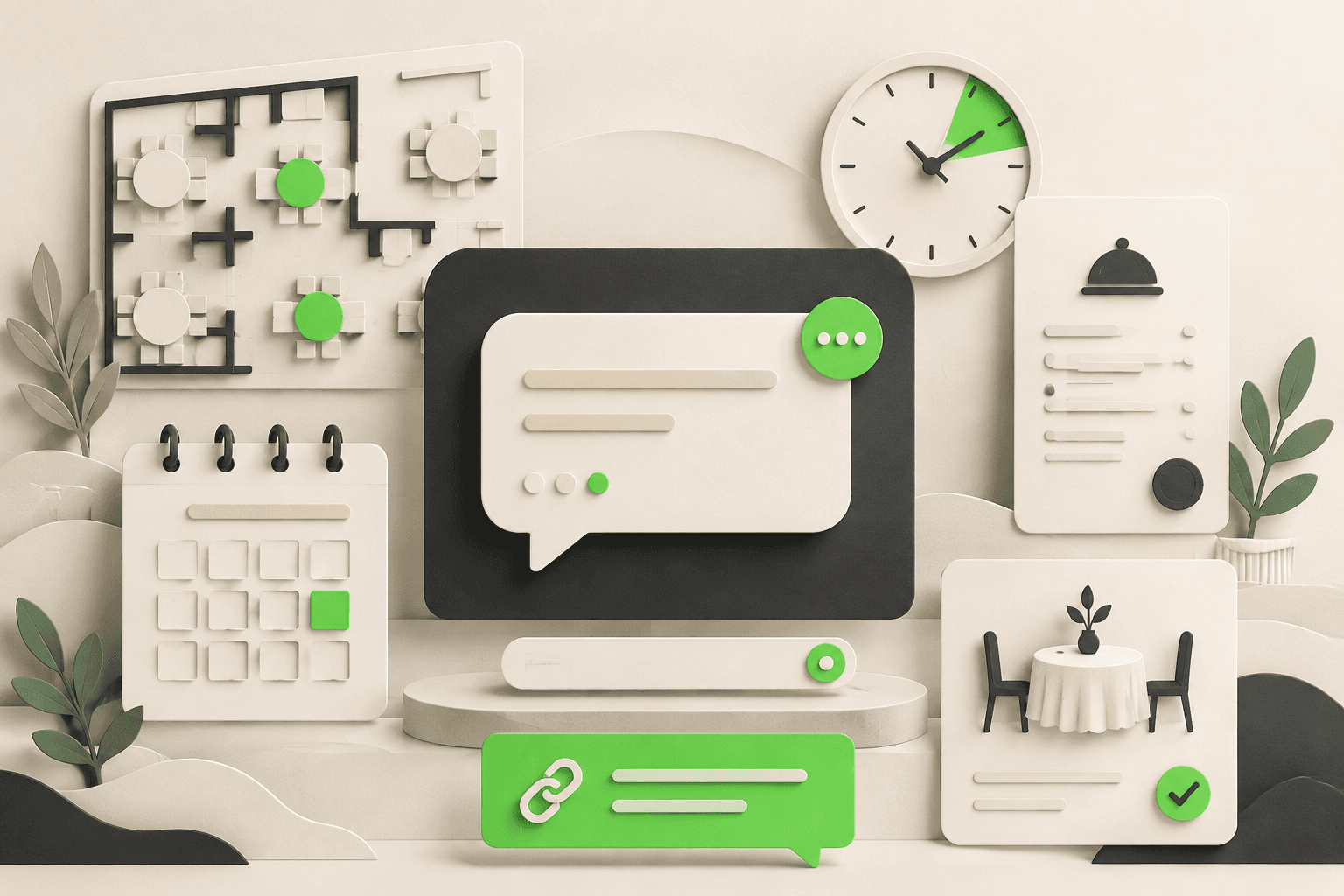
AI Receptionist for Restaurants: Chat-First Guide
An AI receptionist for restaurants answers menu and hours questions, qualifies reservation and private-dining requests, and shares your reservation link 24/7.
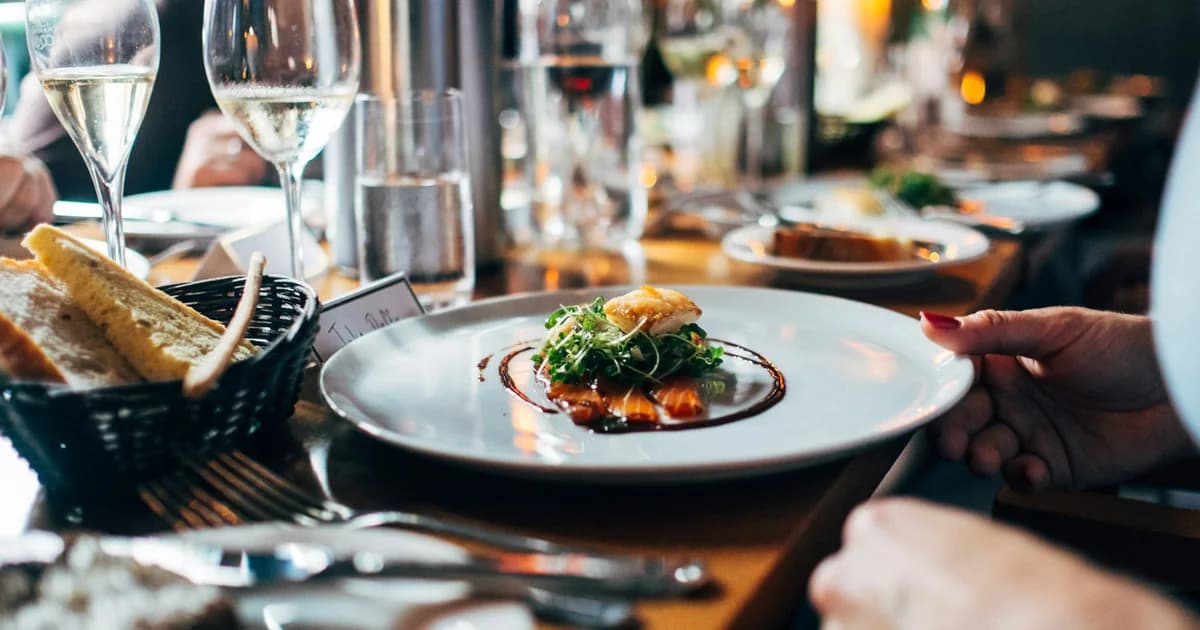
AI Chatbot for Restaurants: Reservations, FAQs & Orders
How AI chatbots handle reservations, menu questions, and private dining inquiries 24/7 so front-of-house focuses on seated guests.
Patient Communication Statistics 2026 for Healthcare
35+ sourced statistics on patient communication gaps, response times, and provider switching behavior reshaping practices in 2026.
Response Time vs Conversion Rates: 10 Industries
From real estate to dental practices, the data is clear: faster response means higher conversion. Here's what the numbers show for 10 industries.