Cut Dental No-Shows with Automated Reminders
Dental no-shows cost practices $105,000+ annually. Learn 7 proven automated reminder strategies to reduce missed appointments and recover lost revenue.
TL;DR: US dental practices average a 15% no-show rate, costing roughly $105,000 per year in lost production at $150-$400 per missed appointment (Arini / Maxillo Dental). Automated reminder systems cut no-shows by 23-38% in published studies by combining multi-touch sequences (48h, 24h, 2h before), two-way confirmation, and channel-matched delivery — text alone hits 98-99% open rates versus ~20% for email (RevenueWell / Dental Intel). The leverage is not in sending more reminders; it is in pairing them with intelligent rescheduling, waitlist auto-fills, and pre-visit data collection so cancellations turn into filled chairs instead of lost revenue. This guide covers seven proven strategies that work across general dentistry, ortho, perio, and pediatric practices — solo offices and DSOs alike.
Every empty chair in your dental practice costs $150-$400 in lost production. Research shows that the average dental no-show rate in the United States sits at approximately 15%, costing practices $105,000 or more annually in lost revenue (Source: Arini / Maxillo Dental). For a busy practice with 30-40 appointments per day, that means 4-6 patients simply not showing up -- every single day. The result? Wasted chair time, idle staff, and overhead costs that keep running whether patients appear or not. The solution is not hiring more people to make reminder calls. It is automated appointment reminders that reach patients at the right time, through the right channel, with a frictionless way to confirm or reschedule.
Who This Guide Is For
This guide is written for US dental practice owners, office managers, and front desk coordinators who want to reduce missed appointments without adding staff. Whether you run a solo practice or a multi-location group, these strategies apply across general dentistry, orthodontics, periodontics, and pediatric dentistry.
What Are Automated Appointment Reminders for Dental Practices?
Automated appointment reminders are technology-driven notifications sent to patients before their scheduled visits -- without requiring your front desk to manually call, text, or email each person. Unlike the traditional approach of a staff member working through a call list, automated systems deliver reminders on a preset schedule across multiple channels, including text messages, emails, website chat, WhatsApp, and social media messaging.
Modern automated reminder systems go far beyond a simple "You have an appointment tomorrow" message. The best platforms can:
- Send multi-touch sequences — a reminder 48 hours before, 24 hours before, and 2 hours before the appointment
- Enable two-way confirmation — patients reply to confirm, reschedule, or cancel directly from the message
- Adjust timing and channel based on patient preferences and appointment type
- Trigger waitlist fills when a cancellation creates an opening
- Collect pre-visit information like insurance details and health history updates before the patient arrives
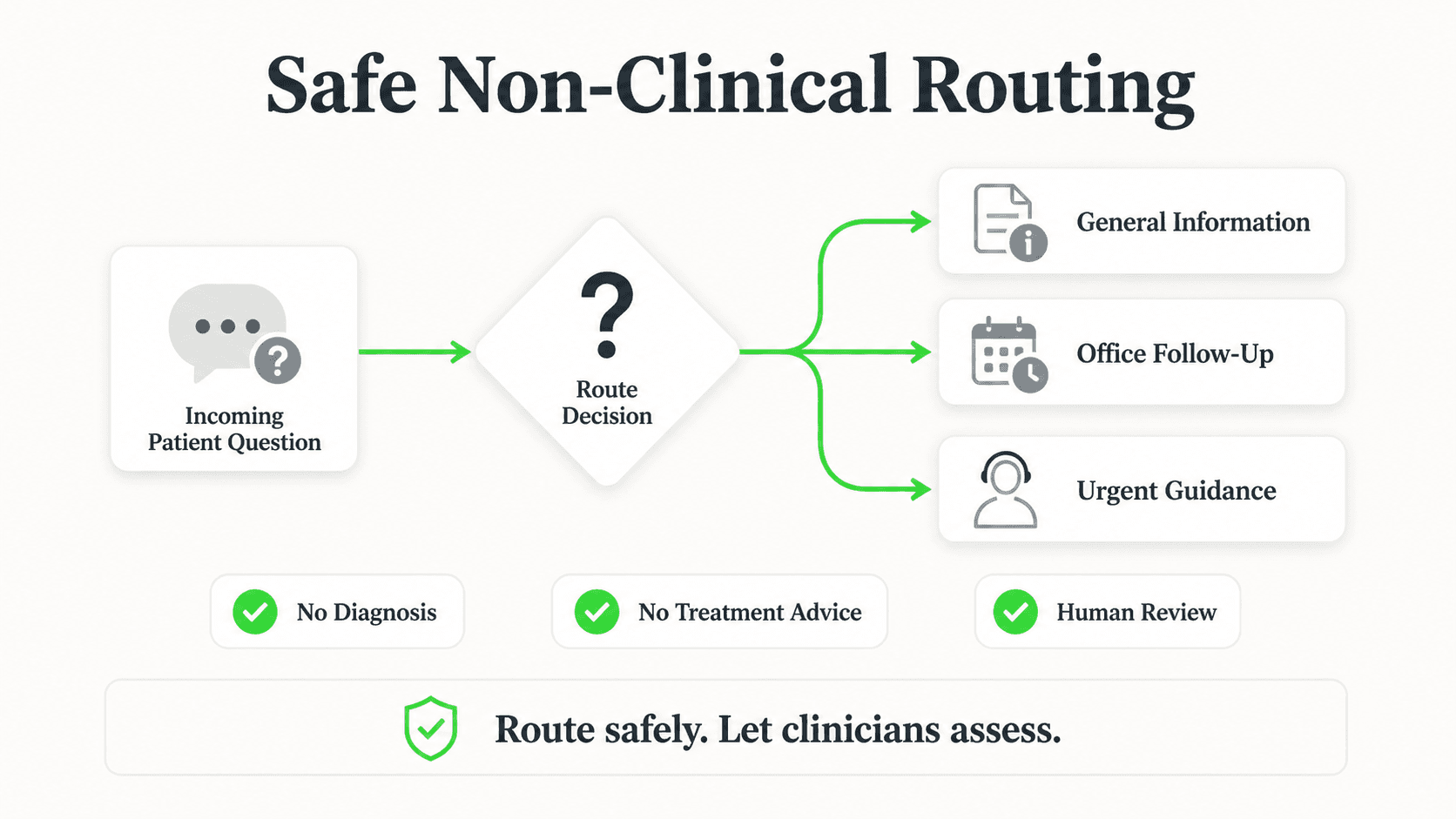
- Route responses intelligently — confirmations are logged automatically, while questions or reschedule requests reach the right staff member
This is a fundamentally different approach from manual calling. Where a receptionist might spend 2-3 hours daily making reminder calls and reaching voicemail 60% of the time, an automated system delivers every reminder on schedule and captures responses in real time. Research shows text messages alone achieve a 98-99% open rate compared to roughly 20% for email (Source: RevenueWell / Dental Intel), which means automated text reminders are seen by nearly every patient who receives them.
The distinction between basic reminders and intelligent reminder systems matters. Basic systems send one-way notifications. Intelligent systems -- often powered by AI chatbots designed for dental practices -- hold actual conversations, handle rescheduling requests, answer questions about the upcoming visit, and feed data back into your practice management system.
Why Dental Practices Still Struggle with No-Shows
Despite knowing that no-shows are expensive, most dental practices continue to rely on approaches that are inefficient, poorly timed, or limited in reach. Here is why the problem persists.
Manual Calling Is Broken
Your front desk team is already stretched thin. The average dental practice receives 50+ calls daily, with 60% being routine questions about insurance, hours, and services (Source: ADA / Dental Economics). On top of inbound calls, your staff is expected to make outbound reminder calls for the next day's patients. The reality is that reminder calls get pushed to "when there's time" -- which often means they do not happen at all. And when they do, staff reach voicemail more often than a live person, turning a 1-minute call into a 3-minute exercise in leaving messages that may never be heard.
Wrong Timing Kills Effectiveness
A single reminder call the day before an appointment is not enough. Research shows that the optimal reminder sequence involves three touchpoints: 48 hours before, 24 hours before, and 2 hours before the appointment (Source: Dialog Health / Inshalytics). Practices that send only one reminder are missing the patients who need multiple nudges. A patient who hears a voicemail at 4 PM about a 9 AM appointment may forget again by morning. Without a same-day reminder, that forgetfulness -- which causes 36% of all dental no-shows (Source: Inshalytics / Dialog Health) -- goes unaddressed.
One Channel Is Not Enough
55% of patients prefer text messaging over phone calls for appointment-related communication (Source: RevenueWell). Yet many practices still default to phone-only reminders. Patients under 50 are especially likely to ignore phone calls from unfamiliar numbers but respond instantly to a text. When your reminder strategy relies on a single channel that half your patients do not prefer, you are leaving no-show reduction on the table. The practices achieving the lowest no-show rates are the ones reaching patients through text, email, WhatsApp, and website chat simultaneously.
No Confirmation Loop Means No Accountability
One-way reminders tell patients about their appointment. Two-way reminders make them commit to it. Practices that send reminders without a confirmation mechanism have no way to know if the patient intends to show up. Two-way confirmation -- where a patient replies "C" to confirm or "R" to reschedule -- creates a psychological commitment and gives your practice actionable data. When a patient confirms, they are significantly more likely to follow through. When they indicate they need to reschedule, you have time to fill that slot from your waitlist instead of discovering the no-show when the chair sits empty (Source: Rectangle Health / Dental Intel).
7 Ways Automated Reminders Reduce No-Shows at Your Dental Practice
1. Multi-Touch Reminder Sequences That Match How Patients Think
Patients do not forget appointments because they are irresponsible. They forget because they are busy -- juggling work schedules, family obligations, and dozens of other commitments. A single reminder cannot compete with that level of cognitive load.
What this looks like in practice: Your system sends a friendly text 48 hours before the appointment: "Hi Sarah, just a reminder about your cleaning with Dr. Martinez this Thursday at 10 AM. Reply C to confirm or R to reschedule." Twenty-four hours out, a second message arrives. Two hours before, a final nudge: "See you at 10 AM today! Our office is at 123 Main St. Remember to bring your insurance card."
Real-world impact: Practices using a three-touch reminder approach see significantly lower no-show rates than those sending a single reminder. A study by Imperial College London found that SMS text reminders alone reduced no-show rates by 38% (Source: PMC / Dialog Health). Layering multiple touchpoints amplifies this effect.
Why it works: Each reminder catches patients at a different stage of planning. The 48-hour reminder prompts them to arrange childcare or time off work. The 24-hour reminder solidifies the plan. The same-day reminder prevents the "I forgot it was today" no-show.
Key features:
- Configurable timing (48h, 24h, 2h or custom intervals)
- Channel rotation (text first, email backup, chat follow-up)
- Appointment-type awareness (longer sequences for high-value procedures)
- Automatic escalation if no confirmation received
2. Two-Way Confirmation That Creates Patient Commitment
The difference between telling a patient about their appointment and asking them to confirm it is enormous. Confirmation transforms a passive notification into an active commitment.
What this looks like in practice: When a patient receives "Reply C to confirm your Thursday 10 AM cleaning," they make a micro-decision to attend. That small act of typing "C" and hitting send creates what behavioral scientists call a "commitment device" -- a voluntary action that increases follow-through on a future intention.
Real-world impact: Dental practices using two-way confirmation systems regularly exceed 80% confirmation rates, compared to approximately 60% for medical specialties using one-way reminders (Source: Dialog Health). Confirmed patients show up at dramatically higher rates than unconfirmed ones, making confirmation status a reliable predictor of attendance.
Why it works: Two-way confirmation does double duty. It increases the likelihood that confirmed patients attend. And it identifies non-responders early, giving your team time to follow up personally or fill the slot from a waitlist. Instead of discovering a no-show at appointment time, you know 24 hours in advance.
Key features:
- Simple reply options (C to confirm, R to reschedule, X to cancel)
- Automatic logging of confirmation status in your PMS
- Non-responder flagging for staff follow-up
- Instant waitlist notification when a cancellation occurs
3. Text-First Communication That Patients Actually See
Phone calls are how dental practices have communicated for decades. But they are no longer how patients prefer to communicate. The data makes this clear: Americans send five times more texts than phone calls, and 78% of patients say texting is the fastest way to reach them (Source: RevenueWell / Text Magic).
What this looks like in practice: Instead of a receptionist calling 40 patients and reaching voicemail 25 times, your automated system sends 40 text messages in seconds. Within minutes, confirmations start rolling in. Your front desk never makes a single reminder call, freeing 2-3 hours daily for in-office patient care.
Real-world impact: A study published in The Angle Orthodontist found that SMS text messaging achieved the lowest no-show rate of just 1.9% -- dramatically lower than phone call reminders or email reminders (Source: PMC / The Angle Orthodontist). Text messages have a 98-99% open rate versus 20% for email, and 85% are read within 5 minutes of delivery (Source: RevenueWell).
Why it works: Texts meet patients where they already are. They do not require answering a call, listening to a voicemail, or opening an email app. The message appears on the lock screen, is read in seconds, and can be acted on immediately with a quick reply.
Key features:
- 98-99% open rate versus 20% for email
- Read within 5 minutes by 85% of recipients
- No voicemail dead ends
- Instant two-way replies without calling back
4. Intelligent Rescheduling That Saves Appointments Instead of Losing Them
Most no-shows are not patients who decided they never want to come back. They are patients whose circumstances changed -- a meeting ran long, a child got sick, traffic was worse than expected. The traditional approach treats cancellations and no-shows the same way: lost revenue. Intelligent automated systems treat them as rescheduling opportunities.
What this looks like in practice: A patient replies "R" to their reminder text. Instead of generating a task for your front desk to call back, the system immediately responds: "No problem! Here are Dr. Martinez's next available openings: Friday 2 PM, Monday 9 AM, or Tuesday 11 AM. Which works for you?" The patient picks a new time without ever calling your office.
Real-world impact: Practices that offer frictionless rescheduling through automated systems recover a significant portion of appointments that would otherwise become no-shows. When the barrier to rescheduling is a quick text exchange instead of a phone call during business hours, patients are far more likely to rebook rather than simply not show up.
Why it works: The easier you make it to reschedule, the fewer patients ghost entirely. Phone-based rescheduling requires calling during business hours, navigating hold times, and coordinating schedules in real time. Automated rescheduling via text or chat happens in 30 seconds, anytime.
Key features:
- Instant alternative time suggestions based on real availability
- No phone call required to reschedule
- Automatic waitlist backfill when slots open
- Rescheduling analytics to identify patterns
5. Personalized Reminders That Feel Human, Not Robotic
Generic reminders get ignored. Personalized reminders get attention. The difference between "You have an appointment tomorrow" and "Hi Sarah, Dr. Martinez is looking forward to your crown prep tomorrow at 2 PM -- remember to eat before your appointment since you'll be numb for a few hours" is the difference between noise and a message patients value.
What this looks like in practice: Your automated system pulls patient name, provider name, procedure type, and any special instructions from your practice management system. Each reminder feels like it came from a person who knows the patient, not a mass-notification system.
Real-world impact: Personalized reminders see higher engagement rates than generic ones. When patients feel the message was crafted for them -- mentioning their specific procedure, their dentist's name, and relevant preparation instructions -- they pay closer attention and are more likely to confirm and attend.
Why it works: Personalization creates a sense of relationship and obligation. When a message says "Dr. Martinez is looking forward to seeing you," it shifts from a clinical notification to a human connection. Patients are less likely to no-show on a person than on an institution. AI-powered dental practice chatbots excel at this because they can draw from your knowledge base to include procedure-specific instructions automatically.
Key features:
- Dynamic fields (patient name, provider, procedure, time)
- Procedure-specific preparation instructions
- Provider-specific messaging tone
- Language preferences for multilingual patient bases
6. After-Hours and Weekend Coverage That Catches the 40% You Are Missing
Approximately 40% of dental inquiries -- including appointment confirmations and rescheduling requests -- come outside standard business hours (Source: TrueLark). If your reminder system only operates 9-to-5, patients who want to confirm at 8 PM or reschedule on Saturday morning hit a dead end. That dead end often becomes a no-show.
What this looks like in practice: A patient receives their 48-hour reminder on Wednesday evening for a Friday morning appointment. They want to confirm but also need to change from 9 AM to 10 AM. At 9 PM, they reply to the text. Your AI-powered system handles the rescheduling instantly, confirms the new time, and updates your schedule -- all without anyone on your team being involved.
Real-world impact: Practices with 24/7 automated response capture rescheduling requests that would otherwise turn into no-shows. When a patient cannot reach your office to reschedule, the path of least resistance is to simply not show up. Removing that barrier by offering round-the-clock communication converts would-be no-shows into kept appointments.
Why it works: Patients do not operate on your office hours. They think about their appointments in the evening, on weekends, and during lunch breaks. An automated system that is always available meets patients when the thought occurs to them, rather than requiring them to remember to call back during business hours.
Key features:
- 24/7 confirmation and rescheduling capability
- Instant responses regardless of time or day
- After-hours inquiry capture for appointment questions
- Seamless handoff to staff for complex requests during business hours
Stop Losing Revenue to No-Shows
Hyperleap AI answers patient questions, books new appointments through Calendly or Cal.com (Pro and Max), and captures reschedule requests across website chat, WhatsApp, Instagram, and Facebook Messenger. Pair it with your existing reminder tool.
See How It Works7. Data-Driven Optimization That Gets Smarter Over Time
The best automated reminder systems do not just send messages -- they learn from results. By tracking which patients confirm, which no-show, when they respond, and through which channel, your system continuously improves its approach.
What this looks like in practice: Your system identifies that Monday morning patients have a 25% higher no-show rate than Wednesday afternoon patients. It automatically adds an extra reminder touchpoint for Monday appointments. It notices that patients under 35 respond 3x faster to text than email, so it prioritizes text for that demographic. Over time, your reminder strategy becomes precisely calibrated to your patient base.
Real-world impact: No-show patterns are predictable. Research shows that no-show rates spike on Mondays and after holidays (Source: Dentistry Dashboard). Practices that use data to proactively adjust their reminder intensity on high-risk days see lower overall no-show rates than those using a one-size-fits-all approach.
Why it works: Not all appointments carry the same no-show risk. New patients no-show more than established patients. Monday mornings are riskier than Thursday afternoons. Certain procedure types see higher cancellation rates. Data-driven systems allocate reminder resources where they are needed most rather than treating every appointment identically.
Key features:
- No-show rate tracking by day, time, provider, and procedure type
- Automatic reminder intensity adjustment for high-risk appointments
- Channel preference learning per patient
- Monthly analytics reports for practice management review
Real Results: What Dental Practices Are Achieving
Revenue Recovery
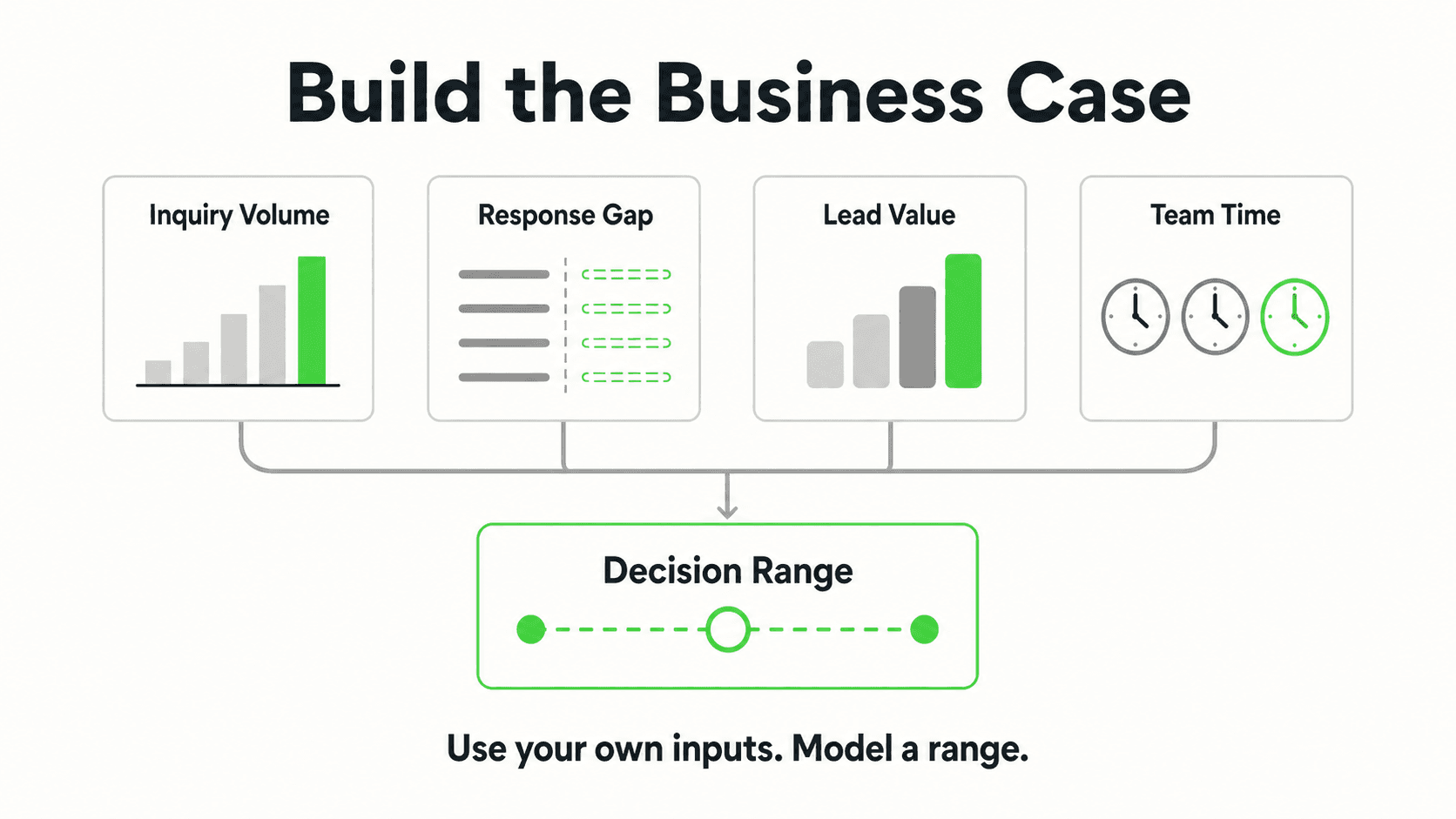
Practices that implement automated reminder systems consistently report significant financial improvements:
- $30,000-$75,000 annually recovered from reduced no-shows, depending on practice size and baseline no-show rate
- 23-38% reduction in overall no-show rates, with some practices achieving rates below 5% (Source: PMC / Dialog Health)
- A meaningful share of cancellations converted to rescheduled appointments through frictionless rebooking (results vary by practice)
- Waitlist fill rates up to 60% when automated notifications alert waitlisted patients about openings
Operational Efficiency
The time savings alone justify the investment for most practices:
- 2-3 hours daily freed from manual reminder calls, returned to in-office patient care
- 80%+ confirmation rates achieved without staff involvement (Source: Dialog Health)
- 50% reduction in front desk phone volume for appointment-related calls
- Same-day schedule visibility -- know by 8 AM which patients have confirmed and which slots need filling
Patient Satisfaction
Patients prefer automated reminders to phone calls, and the satisfaction data reflects this:
- 77-96% of patients report higher satisfaction with text-based communication from dental practices (Source: RevenueWell / Rectangle Health)
- 69% of patients actively appreciate receiving texts and emails from their healthcare providers (Source: Dental Intel)
- Reduced wait times at check-in when pre-visit information is collected via automated messages
- Fewer scheduling frustrations when rescheduling is a quick text exchange rather than a phone call
Competitive Advantage
In a market with over 130,000 dental practices in the United States (Source: ADA Health Policy Institute), standing out matters:
- Stronger patient retention from consistent, professional communication
- Better online reviews when patients feel well-cared-for before they even arrive
- Higher referral rates from patients who appreciate the modern experience
- Faster new patient onboarding when pre-visit forms and information are collected automatically
Implementation Roadmap: Getting Started in 30 Days
Week 1: Audit Your Current No-Show Problem
Before deploying any technology, understand your baseline:
- Calculate your no-show rate -- Pull the last 90 days from your practice management system. Divide total no-shows by total scheduled appointments. The national average is 15%, but your number may be higher or lower.
- Calculate the financial cost -- Multiply your no-show count by your average production per appointment ($200-$400 for general dentistry). This is the revenue you are leaving on the table annually.
- Identify your highest-risk segments -- Which days have the most no-shows? Which patient types? Which appointment types? This data will help you prioritize.
- Assess your current reminder process -- How many reminder calls does your staff make? How long does it take? What percentage of patients do they actually reach?
Week 2: Choose and Configure Your System
Select an automated reminder platform that fits your practice:
- Integration with your PMS -- Ensure the platform works with Dentrix, Eaglesoft, Open Dental, or whatever system you use. Direct integration eliminates manual data entry.
- Multi-channel capability -- The platform should support text messaging at minimum, with email and website chat as additional channels. WhatsApp and social messaging are valuable for practices serving diverse patient populations.
- Two-way communication -- One-way reminder blasts are table stakes. Two-way confirmation and rescheduling is where the real no-show reduction happens.
- Customization -- You should be able to customize message content, timing, and sequences by appointment type, provider, and patient segment.
Week 3: Launch and Train
Roll out systematically for the best results:
- Start with text reminders -- Enable the 48h/24h/2h reminder sequence for all appointments. Text is the highest-impact, lowest-friction starting point.
- Train your front desk -- Staff need to understand the new workflow: checking confirmation status each morning, following up with unconfirmed patients, and managing the waitlist when cancellations come in.
- Communicate to patients -- Let patients know they will receive text reminders and that they can confirm or reschedule by replying. Include this in your new patient paperwork and mention it at checkout.
- Monitor the first week closely -- Watch confirmation rates, response rates, and any patient feedback. Adjust message timing or wording as needed.
Week 4: Optimize and Expand
With baseline data from your first week, start refining:
- Adjust timing based on when patients respond most
- Add channels -- Layer in email for patients who prefer it, and consider WhatsApp or web chat for broader reach
- Implement waitlist automation -- When a patient cancels, automatically notify the next person on your waitlist
- Set monthly review cadence -- Track no-show rate, confirmation rate, and recovered revenue monthly to measure ROI
Start Small, Scale Fast
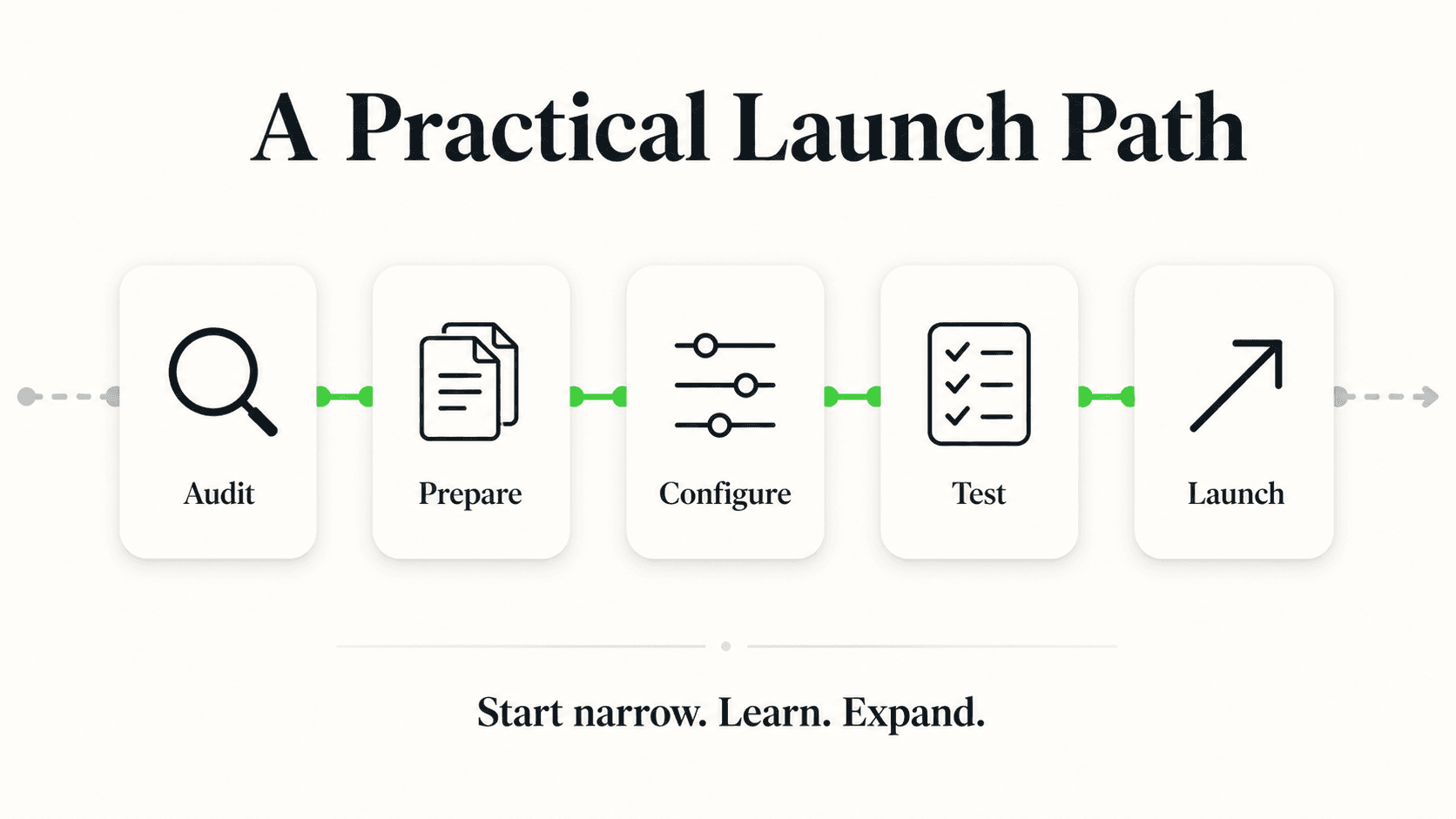
You do not need to automate everything at once. Start with text-based reminders for your highest-volume appointment type (usually cleanings and hygiene visits). Most practices see measurable no-show reduction within the first two weeks, which builds confidence and buy-in to expand further. See current pricing plans to find the right fit for your practice.
Fewer No-Shows Start with Smarter Reminders
Dental no-shows are not an inevitable cost of doing business. They are a solvable problem with a clear, proven solution. Automated appointment reminders -- delivered through the right channels, at the right times, with two-way confirmation -- can reduce your no-show rate by 23-38% and recover tens of thousands of dollars in annual revenue that is currently walking out the door.
The practices that thrive in today's competitive landscape are the ones that communicate the way patients expect: instantly, digitally, and on the patient's terms. While competitors are still leaving voicemails that never get returned, your practice can be sending intelligent reminders that patients read in five minutes, confirm with a single tap, and follow through on when appointment day arrives.
Hyperleap AI covers the conversation side: it answers patient questions 24/7 across website chat, WhatsApp, Instagram, and Facebook Messenger from your own documents, books new appointments through Calendly or Cal.com (on Pro and Max; on Plus, it shares your booking link), and captures reschedule requests for your front desk. It does not send appointment reminders, so pair it with the reminder tool in your practice-management system. Together they leave your front desk team free to focus on the patients standing in front of them.
Further Reading
Authoritative external sources used and recommended for further research on this topic:
- American Dental Association practice resources
- ADA Health Policy Institute research
- HIPAA Privacy Rule (HHS.gov)
Frequently Asked Questions
How much do automated appointment reminders cost for a dental practice?
Automated reminder systems range from $40 to $200 per month depending on features, patient volume, and channels supported. Compared to the $105,000+ average annual cost of no-shows, even the most full-featured reminder platform pays for itself within the first month. Many platforms offer a free trial so you can measure results before committing. Hyperleap AI, which handles patient questions and new bookings rather than reminders, has a 7-day free trial; see our pricing page for plan details.
Will automated reminders replace my front desk staff?
No. Automated reminders handle the repetitive, time-consuming work of calling patients and chasing confirmations, which frees your front desk team to focus on higher-value tasks like greeting patients, verifying insurance, answering complex questions, and providing excellent in-office experiences. Think of automation as a force multiplier for your existing team, not a replacement. Most practices find their front desk staff are relieved to stop making 40+ reminder calls daily.
How quickly can automated reminders reduce my no-show rate?
Most practices see measurable improvement within the first 2-4 weeks. Research shows automated reminders reduce no-show rates by 23-38% compared to manual methods (Source: PMC / Dialog Health). The timeline depends on your baseline no-show rate, how many channels you deploy, and whether you use two-way confirmation. Practices starting from a 15-20% no-show rate typically drop to 8-12% within the first month and continue improving as the system learns patient preferences.
Can patients opt out of automated reminders?
Yes. All compliant automated messaging systems include opt-out mechanisms, and patients can choose their preferred communication channel. In practice, very few patients opt out -- research shows 69% of patients actively appreciate receiving texts and emails from healthcare providers (Source: Dental Intel). The key is sending useful, well-timed messages rather than excessive or irrelevant communications.
Do automated reminders work with my existing practice management software?
Most modern reminder platforms integrate with leading dental PMS systems including Dentrix, Eaglesoft, Open Dental, and others. Integration depth varies: some platforms sync appointment data one-way for sending reminders, while more advanced platforms offer two-way sync for real-time scheduling, confirmation status updates, and patient record access. When evaluating a platform, ask specifically about the depth of integration with your PMS and whether it requires middleware.
What is the best reminder timing to reduce dental no-shows?
The optimal approach is a three-touch sequence: 48 hours before the appointment, 24 hours before, and 2 hours before (Source: Dialog Health / Inshalytics). The 48-hour reminder gives patients time to arrange logistics. The 24-hour reminder solidifies the commitment. The same-day reminder prevents last-minute forgetfulness. For high-value procedures like crowns or implants, some practices add a one-week advance reminder as well, since these appointments require more patient preparation.
Is it HIPAA-compliant to send automated text reminders to patients?
Yes, when done correctly. Appointment reminders are generally considered part of healthcare operations under HIPAA. The requirements include obtaining patient consent to receive text messages, using a platform with appropriate encryption and security measures, not including protected health information (PHI) in the message body beyond what is necessary (appointment date, time, and provider name are acceptable), and having a signed Business Associate Agreement with your technology vendor. Reputable reminder platforms are designed to meet these requirements.
Ready to Reduce No-Shows at Your Practice?
See how Hyperleap AI answers patient questions and books new appointments around the clock (on Pro and Max) -- with a 7-day free trial.
Get StartedIndustry Solutions
See how AI chatbots work for these industries:
Related Articles
Automate Dental Appointment Scheduling with AI
Learn how AI-powered appointment scheduling can reduce no-shows, fill schedule gaps, and free your front desk from phone tag.
AI Chatbot for Property Managers: Tenant Requests 24/7
How AI chatbots handle routine maintenance, lease, and availability inquiries 24/7 — and lighten the load on property managers.
Instagram Chatbot: DM Automation Setup Guide (2026)
How to set up an Instagram chatbot in 2026 — where AI beats rule-based DM tools for lead capture, FAQs, and 24/7 replies, with real setup examples.
AI Receptionist for Dental Clinics: Safe Emergency Routing
How dental clinics use AI receptionists to answer FAQs, book appointments, and route emergencies to the on-call team — without clinical triage.