Capture & Nurture Senior Living Leads (6-Month Cycle)
Senior living sales cycles average 6-12 months. Learn 7 proven strategies to capture and nurture leads through every stage of the family decision journey.

TL;DR: The average senior living sales cycle requires 120-315 days and 20-50 touchpoints to convert a prospect into a resident. Yet most communities lose leads within the first 30 days because they lack a structured nurture strategy for a decision that involves multiple family members, deep emotional weight, and significant financial planning. This guide walks through seven practical strategies to capture and nurture senior living leads across the full 6-month decision cycle, from instant inquiry response to move-in readiness assessment.
Every senior living lead that goes cold represents $130,000 or more in lost lifetime revenue. Research shows the average senior living community converts just 6% of inquiries into move-ins, down 1% from the prior year (Source: Bild & Co., 2024). The industry-wide inquiry-to-tour conversion rate sits at just 5% for new leads. Meanwhile, the average independent living sales cycle stretches to 120 days, and for many families the research-to-decision timeline extends well beyond six months (Source: CCR Growth).
The math is stark: most communities are spending $431 per lead (Source: Invoca) to attract families who then disappear into a months-long decision process without a structured system to keep them engaged. The communities that master lead nurturing across this extended cycle do not just fill units faster -- they build the kind of trust that turns one family's move-in into five referrals.
Who This Guide Is For
This guide is written for senior living operators, sales directors, and marketing managers at independent living, assisted living, and memory care communities looking to improve conversion rates across a multi-month sales cycle. Whether you manage a single community or a multi-site portfolio, these strategies apply.
What Is Lead Nurturing for Senior Living Communities?
Lead nurturing for senior living is the systematic process of building and maintaining relationships with prospective residents and their families from the moment of first inquiry through the move-in decision -- and beyond. Unlike industries with short sales cycles where a single conversation can close a deal, senior living requires sustained engagement across months of emotional deliberation, family coordination, and financial planning.
Effective senior living lead nurturing includes:
- Immediate inquiry acknowledgment that meets families at their moment of highest intent, before they move on to the next community
- Personalized content delivery based on where the family is in their decision journey -- early research, active comparison, or move-in planning
- Multi-stakeholder communication that accounts for the adult daughter coordinating care, the spouse processing the transition, the son managing finances, and the prospective resident themselves
- Consistent touchpoints across the 20-50 interactions that industry data shows are needed to convert a prospect (Source: Aline, 2024 Benchmark Report)
- Channel-appropriate outreach that reaches families where they are -- email, website chat, WhatsApp, Facebook Messenger, and phone
What makes senior living lead nurturing fundamentally different from other industries is the emotional weight of the decision. Families are not shopping for a product. They are entrusting the care of someone they love to strangers. Every interaction either builds or erodes the trust required for that leap of faith.
Traditional lead nurturing -- a generic email drip with community brochure content -- fails because it does not account for the complexity of the family decision-making process. A senior living nurture strategy must be responsive, empathetic, and flexible enough to adapt to each family's unique timeline and emotional state.
Why Senior Living Communities Lose Leads During the Decision Cycle
Most senior living communities have a response problem, not a lead generation problem. They invest heavily in marketing -- Google Ads, referral platforms like A Place for Mom, community events -- but then lose the majority of those leads before a tour ever happens. Here is why.
The timeline mismatch
Senior living is one of the longest sales cycles in any consumer-facing industry. Independent living averages 120 days from inquiry to move-in, while assisted living averages around 70 days (Source: CCR Growth). But these averages mask the reality: many families begin researching 6-12 months before making a decision, especially for non-crisis moves. Most community sales processes are designed for a 30-day funnel. When a family that inquired in January is not ready to tour until April, they fall off the radar entirely.
Family dynamics complicate everything
Senior living decisions rarely involve a single decision-maker. Adult daughters are the primary inquirer 71% of the time, but the decision typically involves spouses, siblings, financial advisors, and the prospective resident themselves (Source: Colorworks senior living decision-maker analysis). A son in California may be researching communities in Florida. A daughter may be coordinating between three siblings with different opinions. When your nurture system only communicates with one contact, you are missing the broader family conversation.
Information overload paralyzes families
Families researching senior living are simultaneously processing care levels, costs, locations, amenities, insurance options, Veterans benefits, and Medicaid eligibility. The median cost of assisted living is $5,900 per month, and costs vary dramatically by state, from $4,715 in Mississippi to $12,000 in Hawaii (Source: Genworth / CareScout). Without structured guidance through this complexity, families get overwhelmed and delay their decision -- or default to the community that made the process feel simplest.
Inconsistent follow-up is the norm
The data here is alarming. Research indicates that 92% of web inquiries to senior living communities go unanswered within 24 hours, and 80% go unanswered entirely (Source: McKnight's Senior Living). Even communities with dedicated sales counselors struggle with consistent follow-up because those counselors are also conducting tours, managing paperwork, and supporting current residents. The leads that need the most nurturing -- the early-stage researchers who are months from a decision -- get the least attention because they are not "hot."
7 Ways to Capture and Nurture Senior Living Leads Through a 6-Month Decision Cycle
Effective lead nurturing for senior living requires a system that maintains engagement from the first inquiry through move-in, adapting to each family's pace and needs. Here are seven strategies that the best-performing communities are implementing.
1. Instant Inquiry Response
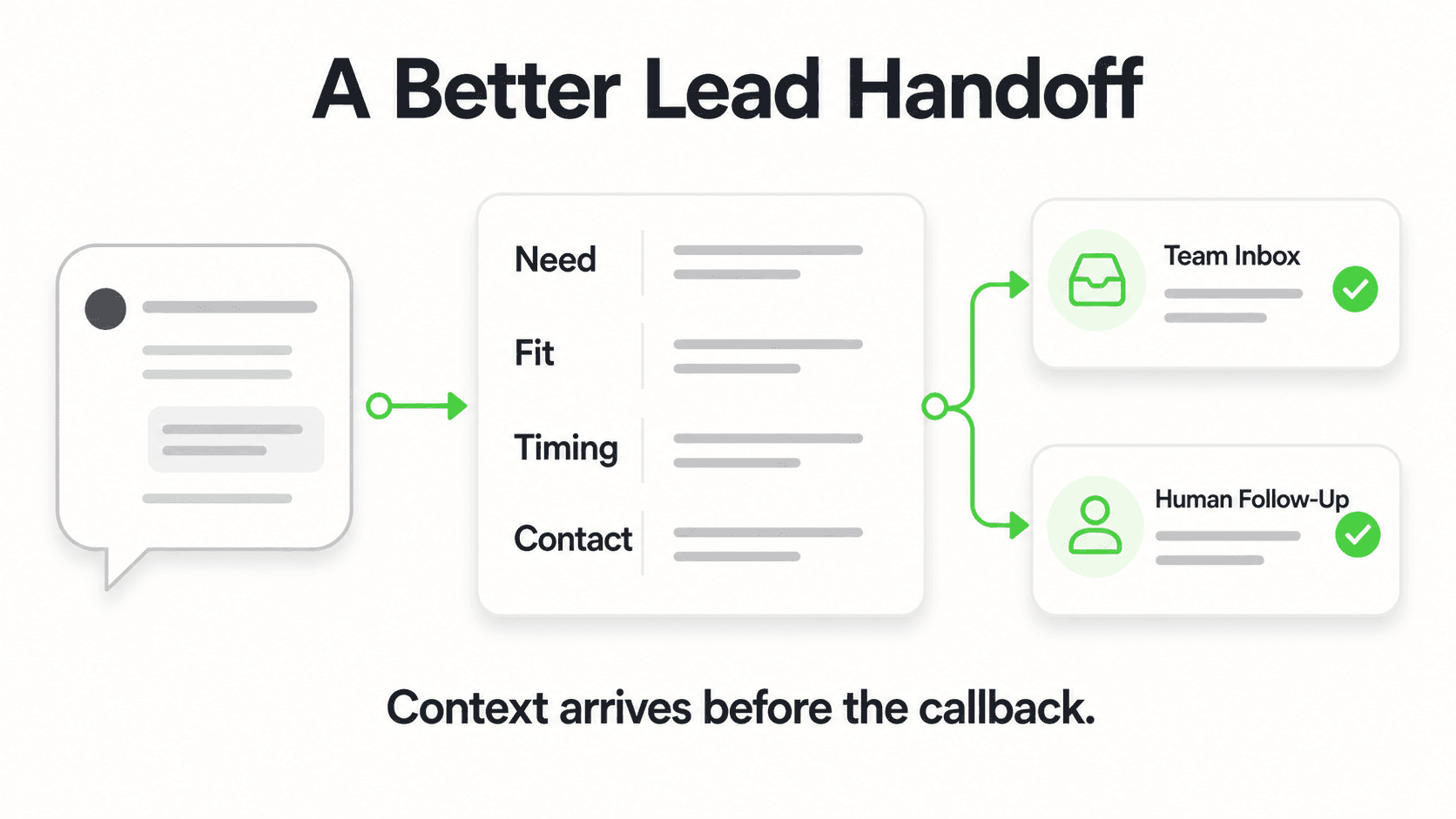
What this looks like in practice: A daughter submits an inquiry form on your website at 9:47 PM on a Tuesday. Within 30 seconds, she receives a personalized acknowledgment that addresses her specific questions about memory care, confirms your community's care levels and pricing range, and offers to schedule a tour at her convenience. By the time she moves on to the next community's website, she has already received more useful information from yours than most communities provide in a full phone call.
Real-world impact: Research shows 78% of customers purchase from the company that responds first (Source: Invoca). In senior living specifically, the chance of qualifying a lead drops by 80% after the first five minutes. The gap between expectation and reality is massive: families expect near-instant responses, and only 58% of callers to senior living communities even speak to a person (Source: Invoca Senior Care Call Conversion Benchmarks, 2025).
Why it works: Instant response is not about rushing the decision. It is about earning the right to be part of the conversation. Families interpret speed of response as a proxy for quality of care. If a community cannot respond to a marketing inquiry promptly, families question how they will respond when Mom needs help at 2:00 AM. An AI-powered chatbot on your website can provide this instant engagement 24/7 while your admissions team focuses on deeper relationship-building.
Key features:
- 24/7 automated response to web forms, chat, and messaging channels
- Personalized replies that reference the family's specific care needs
- Immediate tour scheduling capabilities without requiring staff availability
- Warm handoff protocols that connect families to admissions counselors during business hours
2. Personalized Drip Sequences
What this looks like in practice: Instead of sending every lead the same monthly newsletter, your system segments families based on their inquiry details and engagement behavior. A family researching independent living for a healthy 78-year-old receives content about active lifestyle programs, social events, and dining options. A family dealing with a parent's Alzheimer's diagnosis receives information about memory care programming, safety features, and caregiver support resources. Each sequence adjusts its cadence and content based on how the family interacts.
Real-world impact: Research shows automated drip campaigns perform two times better than mass promotional emails (Source: Omnisend). In senior living, where the decision cycle spans months, the difference between a personalized nurture sequence and a generic newsletter is the difference between staying top-of-mind and being forgotten. The most effective sequences include 5-8 emails spaced 3-7 days apart for active leads, transitioning to bi-weekly or monthly touchpoints for longer-term prospects.
Why it works: Families at different stages of the decision process need different information. An early-stage researcher needs educational content about care levels and what to look for. A family that has toured needs financial planning resources and next-step guidance. Segmented, behavior-driven sequences deliver the right content at the right time, building trust with each touchpoint rather than adding noise.
Key features:
- Inquiry-based segmentation by care level, timeline, and urgency
- Behavior-triggered content (e.g., sends financial planning guide after a family views your pricing page)
- Cadence that adapts to engagement -- more frequent for active leads, less for those in a holding pattern
- Easy opt-down (reduce frequency) rather than just opt-out
3. Family-Inclusive Communication
What this looks like in practice: When a daughter in Chicago inquires about assisted living for her mother in Phoenix, your system captures not just the daughter's contact information but also identifies the family decision-making unit. Over the next several months, the daughter receives the research-oriented content she needs to compare communities, while you also offer to loop in her brother who manages the family finances and her mother who wants to understand the social programming. Each family member receives information relevant to their role in the decision.
Real-world impact: Senior living decisions involve an average of 6-10 family members (Source: Colorworks senior living decision-maker analysis). When your communication strategy only reaches one family member, you are relying on that person to be a perfect information conduit to everyone else. They rarely are. Communities that proactively engage multiple family members see higher tour show rates and shorter decision timelines because objections surface and get addressed earlier.
Why it works: The biggest stalls in senior living sales happen when a family member who was not part of the conversation raises a concern at a critical moment. "Dad saw the price and says it is too expensive." "My sister thinks Mom should stay home." By engaging the full family early, you address concerns in real time rather than having them derail the process months later.
Key features:
- CRM records that link multiple family contacts to a single prospective resident
- Role-based content delivery (financial information for the finance-managing family member, care information for the primary caregiver)
- Shared family portal or resource hub where all family members can access community information
- AI chatbot that identifies returning family members and maintains conversation context
4. Virtual Tour Scheduling
What this looks like in practice: A family on your website at 10:00 PM on a Sunday can instantly schedule a virtual tour for a time that works across multiple family members' calendars. The AI chatbot on your site offers available times, sends calendar invitations to all attendees, and provides a pre-tour information packet customized to the family's care needs. Virtual tours have declined as a percentage of total tours since the pandemic -- just 2% in 2024 (Source: Bild & Co., 2024) -- but for long-distance families they remain essential.
Real-world impact: Roughly 11% of caregivers live an hour or more from their care recipient (Source: AARP). These long-distance families cannot easily visit in person for an initial assessment, but they are often the most motivated buyers. They need a way to evaluate your community remotely before committing to an in-person visit. Communities that offer frictionless virtual tour scheduling capture this high-intent segment that competitors miss entirely.
Why it works: The biggest barrier to a tour is scheduling friction. When a family has to call during business hours, navigate voicemail, wait for a callback, and then coordinate schedules, days or weeks pass. Each day increases the probability that another community will capture their attention. Automated scheduling eliminates this friction and gets the family from inquiry to visual experience in the shortest possible time.
Key features:
- Self-service tour booking directly from the website or chatbot, available 24/7
- Options for both virtual and in-person tours with flexible timing
- Automated calendar invitations and reminders to reduce no-shows
- Pre-tour questionnaire that captures care needs so the tour can be personalized
5. Financial Planning Resources
What this looks like in practice: After a family expresses interest in your community, your nurture sequence includes a financial planning module. This is not a pricing brochure. It is a structured series of resources that walks the family through the true cost comparison of aging in place versus senior living, funding options (long-term care insurance, VA benefits, Medicaid, bridge loans, home equity), and a personalized cost estimate based on their specific care needs. You become the family's trusted advisor on one of the most stressful aspects of the decision.
Real-world impact: Cost is the single most common objection in senior living sales. The median cost of assisted living is approximately $5,900 per month nationally (Source: Genworth / CareScout), and many families experience sticker shock when they first see the numbers. However, when families compare the all-in cost of aging in place -- home modifications, in-home caregivers ($27-$30/hour), emergency response systems, transportation, meal delivery, and the hidden cost of family caregiver burnout -- senior living often becomes the more practical option. Communities that help families do this math early convert at significantly higher rates.
Why it works: Families who do not understand the financial picture stall indefinitely. They know Mom needs more care, but the cost feels prohibitive. By providing structured financial planning resources early in the nurture process, you remove the biggest obstacle to forward movement. You also differentiate your community as one that genuinely helps families navigate the decision, rather than one that just sends brochures and waits.
Key features:
- Cost comparison calculator: aging in place versus senior living
- VA benefits eligibility checker and application guidance
- Long-term care insurance utilization guide
- Monthly budget planning worksheet customized to your community's pricing
Engage Every Senior Living Lead Instantly
See how Hyperleap AI helps senior living communities respond to inquiries 24/7 with empathetic, document-grounded responses that keep families engaged through the full decision cycle.
See Senior Living AI6. Event Invitation Automation
What this looks like in practice: Your community hosts monthly events -- lunch-and-learns, holiday open houses, support groups for caregivers, music programs, wellness workshops. Instead of blasting every event to your entire lead database, your automation system matches events to families based on their stage in the decision process and their expressed interests. A family in early research receives an invitation to an educational seminar on "Understanding Memory Care Options." A family that has toured receives an invitation to a social lunch event where they can meet current residents. A family managing caregiver burnout receives an invitation to your monthly support group.
Real-world impact: Events are one of the highest-converting touchpoints in senior living sales because they bring families into your community without the pressure of a formal tour. When events are targeted and relevant, attendance rates climb and the quality of interactions improves. More importantly, events provide natural touchpoints that keep your community in front of families during the months-long decision process without feeling like a sales push.
Why it works: The senior living sales cycle is long enough that families go through periods of active research and periods of dormancy. A daughter might intensely research communities in January, then put the search on hold when work gets busy in February, then pick it back up after another incident with her parent in March. Targeted event invitations provide a reason to re-engage during dormant periods without the awkwardness of a "just checking in" sales call.
Key features:
- Stage-based event matching that aligns invitations with the family's decision phase
- Automated RSVP tracking and reminder sequences to improve show rates
- Post-event follow-up sequences that nurture attendees toward the next step
- Virtual event options for long-distance family members who cannot attend in person
7. Move-In Readiness Assessment
What this looks like in practice: After a family has engaged with your community over several months -- attended events, completed a tour, reviewed financial resources -- your system delivers a "Move-In Readiness Assessment." This is not a hard close. It is a structured questionnaire that helps the family evaluate whether they are ready to make the transition. It covers care needs, financial preparation, family alignment, and emotional readiness. The assessment identifies remaining concerns and automatically routes the family to the appropriate resource or staff member to address each one.
Real-world impact: The tour-to-move-in conversion rate in senior living averages 23.7% (Source: Bild & Co., 2024). The 76.3% of families who tour but do not move in are not lost causes. Many of them are simply not ready yet, and without a structured way to assess and address their remaining concerns, they drift away. A move-in readiness assessment gives your team visibility into exactly what is holding each family back and a framework for addressing those barriers systematically.
Why it works: Senior living families rarely say "no." They say "not yet." The move-in readiness assessment transforms "not yet" from a dead end into a diagnostic tool. When a family indicates they are not financially ready, your system routes them to financial planning resources. When they indicate a sibling is not on board, your system suggests a family meeting with your admissions counselor. Every "not yet" becomes a specific, addressable next step.
Key features:
- Scored assessment that measures readiness across care, financial, family, and emotional dimensions
- Automated routing of unresolved concerns to the appropriate staff or content resource
- Periodic re-assessment for families who are not yet ready, delivered at 30-60 day intervals
- CRM integration that gives your sales team real-time visibility into each family's readiness score
Real Results: What Communities with Strong Nurture Systems Are Achieving
Communities that implement structured lead nurturing across the full decision cycle are seeing measurable improvements at every stage of the sales funnel.
Higher inquiry-to-tour conversion
- Communities using instant response tools report inquiry-to-tour conversion rates 2-3x higher than the industry average of 5%
- Segmented nurture sequences increase email engagement by up to 44% compared to mass communications (Source: Aline)
- Leads that receive personalized follow-up within 5 minutes are dramatically more likely to schedule a tour than those that wait hours or days
Faster time-to-fill for vacant units
- Each vacant unit costs $180-$280 per day in lost revenue (based on $5,350-$8,500 monthly rates across care levels)
- Communities with structured nurture systems report filling units 20-30% faster due to a warmer, more engaged pipeline
- Senior housing occupancy nationally reached 88.7% in Q3 2025, with the strongest-performing communities consistently above 90% (Source: NIC MAP)
Improved family satisfaction and referrals
- Families who feel supported through the decision process rate their overall experience higher, even before move-in
- Positive nurture experiences generate word-of-mouth referrals to friends, neighbors, and colleagues with aging parents
- Hospital discharge planners and physicians prefer referring to communities known for responsive, organized sales processes
Reduced marketing waste
- Communities nurturing leads effectively convert more of their existing pipeline, reducing the need to continuously generate new leads at $431 per lead
- Re-engagement campaigns for dormant leads recover 10-15% of prospects that would otherwise be written off
- The total cost per move-in drops significantly when more inquiries convert through nurturing rather than requiring new paid lead generation
Implementation Roadmap for Senior Living Communities
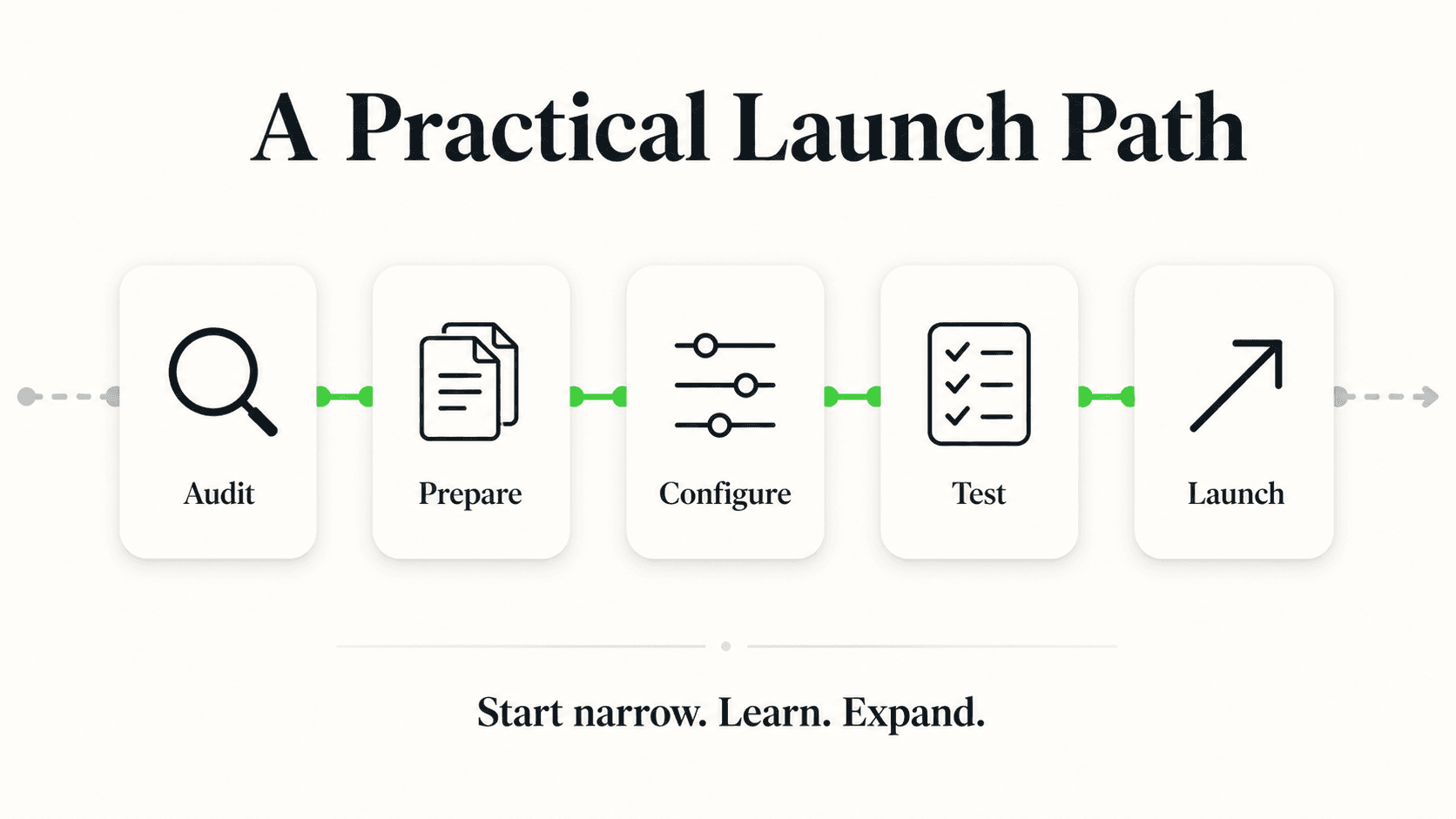
Implementing a comprehensive lead nurture system does not require replacing your admissions team or overhauling your technology stack overnight. Here is a phased approach that builds capability over 90 days.
Phase 1: Foundation (Days 1-30)
Start with the highest-leverage improvement: instant response.
- Audit your current response times across every channel -- web forms, phone calls, referral platform leads, email, and social media messages. You will likely find that 40-60% of inquiries arrive outside business hours when no one is available to respond.
- Deploy an AI chatbot on your website that can answer questions about care levels, pricing ranges, availability, and amenities around the clock. This single change captures the after-hours inquiries that most communities lose entirely.
- Set up automated acknowledgment for every form submission and referral platform lead. Even a simple "We received your inquiry and our team will contact you within 2 hours" message dramatically reduces abandonment.
- Integrate with your CRM (Enquire, Yardi, or others via REST API and webhooks) to ensure every lead is captured and assigned automatically.
Phase 2: Segmentation and Sequencing (Days 31-60)
With instant response in place, build the nurture infrastructure.
- Segment your lead database by care level (independent living, assisted living, memory care), urgency (crisis-driven vs. planning), and timeline (ready to tour vs. 3-6 months out).
- Create 3-4 drip sequences tailored to your primary segments. Each sequence should include 5-8 emails over 30-45 days, with content mapped to the family's stage in the decision process.
- Implement behavior-based triggers that advance or redirect families based on their engagement. A family that clicks on a financial planning resource should receive more financial content. A family that visits your virtual tour page should receive a tour scheduling prompt.
- Train your admissions team on warm handoffs from automated systems. The AI chatbot handles the initial response and qualification; the admissions counselor picks up the relationship-building conversation.
Phase 3: Optimization and Scale (Days 61-90)
With the system running, measure and optimize.
- Track conversion rates at every stage: inquiry to response, response to tour, tour to move-in. Identify where families are dropping off and address those specific bottlenecks.
- Launch event invitation automation that matches community events to families based on their segment and engagement level.
- Implement the move-in readiness assessment for families that have toured but not yet decided. Use the results to create targeted follow-up plans.
- Build re-engagement campaigns for leads that have gone dormant (no engagement in 30-60 days). These families are not lost -- they are often waiting for a triggering event to re-activate their search.
Start Where the Revenue Is
Focus your initial nurture efforts on leads from your highest-cost channels first. If paid referral leads from A Place for Mom cost $2,000-$5,000 per move-in, those are the leads where improved nurturing delivers the fastest ROI. Expand to lower-cost channels as your system matures.
Turning a 6-Month Decision Into a 6-Month Relationship
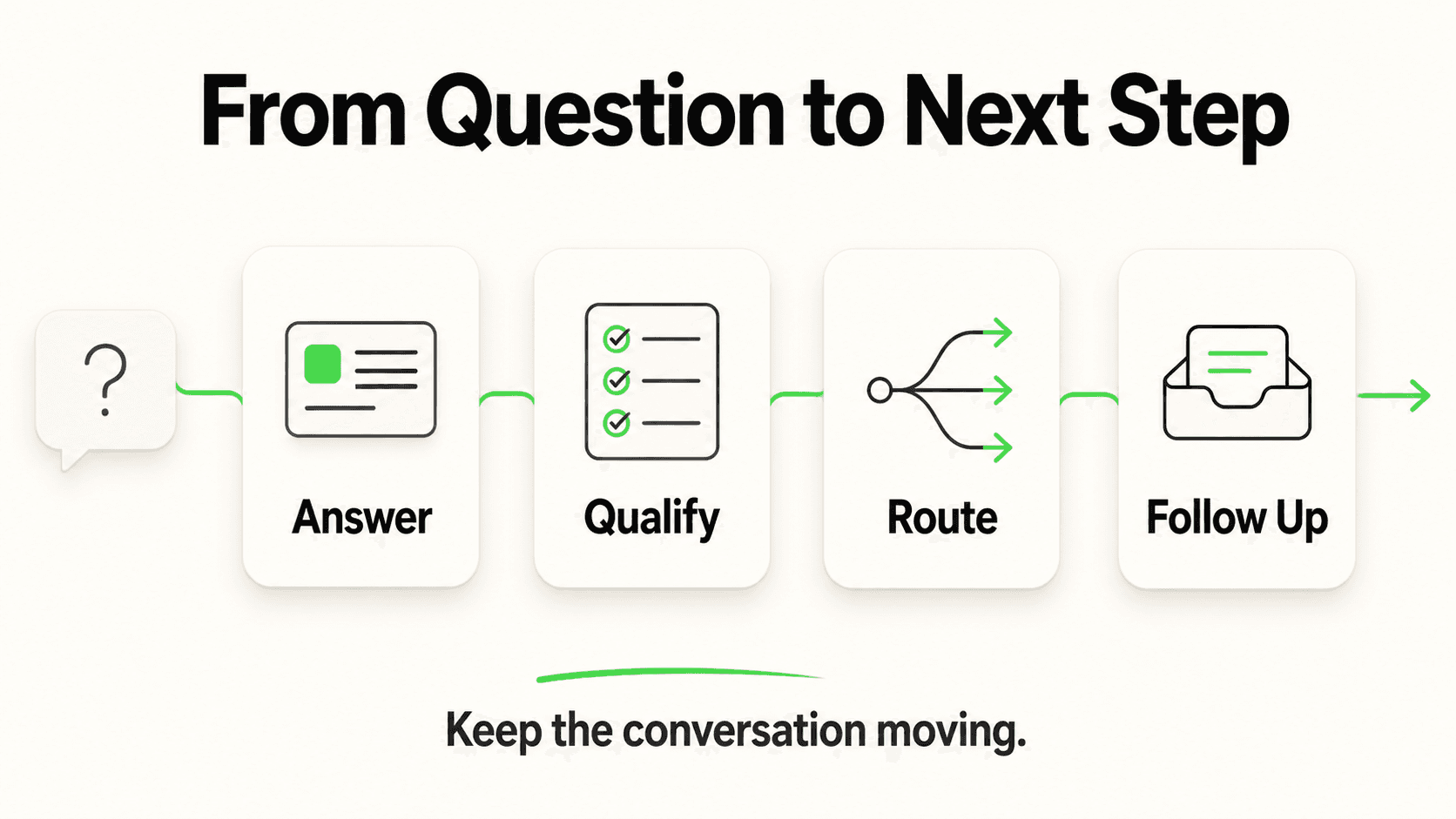
The senior living communities that fill units consistently are not the ones with the biggest marketing budgets. They are the ones that recognize a 6-month decision cycle is not a problem to solve -- it is a relationship to build.
Every family that inquires about your community is dealing with one of the most emotional, complex, and consequential decisions of their lives. They need a partner who shows up at the moment of inquiry, stays present through months of deliberation, addresses concerns as they arise, and makes the transition feel guided rather than pressured.
The data supports this approach. Communities with structured nurture systems convert more inquiries to tours, fill units faster, and generate more referrals. The 6% industry average inquiry-to-move-in conversion rate is not a ceiling -- it is a reflection of an industry that has not yet invested in the nurture infrastructure that other high-value, long-cycle industries take for granted.
The tools to build this infrastructure exist today. AI-powered instant response, segmented drip sequences, family-inclusive communication platforms, and automated scheduling are not futuristic concepts. They are available now, and the communities adopting them are pulling ahead of those still relying on manual follow-up and monthly newsletters.
The families reaching out to your community deserve more than a callback tomorrow. They deserve a partner for the entire journey.
For the family-facing side of this — tone, care-level questions, and urgent-placement routing — see AI front desk for senior living communities.
Frequently Asked Questions
How long is the typical senior living sales cycle?
The average sales cycle varies by care type. Independent living averages approximately 120 days from inquiry to move-in, while assisted living averages around 70 days (Source: CCR Growth). However, many families begin researching 6-12 months before making a move, especially for planned transitions as opposed to crisis-driven decisions. The full research-to-move-in timeline, including the pre-inquiry research phase, can extend well beyond six months for independent living prospects.
How many touchpoints does it take to convert a senior living lead?
Industry data shows it takes 20 to 50 touchpoints to move a prospect from initial contact to move-in (Source: Aline, 2024 Benchmark Report). These touchpoints include emails, phone calls, texts, event invitations, tour confirmations, and content interactions. The key is that each touchpoint should be purposeful and relevant to where the family is in their decision process, not just a generic check-in.
Will automated nurture sequences feel impersonal for such an emotional decision?
This is a valid concern, and the answer depends entirely on execution. A poorly designed drip campaign that sends generic community brochures every two weeks will feel impersonal. A well-designed nurture system that adapts content to the family's specific care needs, responds to their engagement behavior, and provides genuinely helpful resources will feel like a community that cares. The goal is not to replace the human relationship but to ensure that families receive timely, relevant support during the months when your admissions team cannot be in constant personal contact with every prospect.
How do we nurture leads when multiple family members are involved?
Start by capturing the family unit in your CRM, not just the primary inquirer. When a daughter inquires, ask if there are other family members who would benefit from receiving information. Link all family contacts to a single prospective resident record. Then deliver role-appropriate content to each family member: financial information for the family member managing the budget, care details for the primary caregiver, social programming information for the prospective resident. AI chatbots can help by recognizing returning family members and maintaining context across conversations.
What should a senior living drip sequence include?
An effective senior living drip sequence typically includes 5-8 emails over 30-45 days for active leads, then transitions to bi-weekly or monthly touchpoints for longer-term prospects. Content should progress from educational (understanding care levels, what to look for in a community) to comparative (what makes your community different, resident testimonials) to action-oriented (tour scheduling, financial planning, move-in preparation). Each email should focus on a single topic, provide genuine value, and include a clear but low-pressure next step.
How do we re-engage leads that have gone dormant?
Dormant leads in senior living are not the same as dead leads. Families often pause their search due to competing priorities, family disagreements, or a temporary stabilization in the senior's condition. Re-engagement campaigns should be triggered after 30-60 days of inactivity and should lead with value rather than a sales pitch. Examples include invitations to community events, new content about a topic they previously engaged with, or a simple wellness check-in. Many dormant leads re-activate when a new triggering event occurs, and the community that stayed in touch without being pushy is the one they return to.
What tools do we need to implement a lead nurture system?
At minimum, you need a CRM that supports lead segmentation and automated email sequences, an AI chatbot for instant website response, and a scheduling tool for tours. Many senior living-specific CRMs (Enquire, Yardi, Aline) include built-in email automation. For the AI chatbot layer, platforms like Hyperleap AI provide document-grounded responses that can answer family questions about your community's specific care levels, pricing, amenities, and availability 24/7 across web, WhatsApp, and Facebook Messenger. Hyperleap AI connects to your existing systems via REST API and webhooks, ensuring that no inquiry goes unanswered regardless of when it arrives.
Ready to Nurture Every Senior Living Lead?
Hyperleap AI helps senior living communities respond instantly, engage families 24/7, and maintain the consistent touchpoints that turn inquiries into move-ins. Start your 7-day free trial.
Get StartedIndustry Solutions
See how AI chatbots work for these industries:
Related Articles

Automate Property Inquiry Follow-ups Personally
A step-by-step guide to automating property inquiry responses and follow-ups while keeping the personal connection that closes deals.

AI Chatbot for Property Managers: Tenant Requests 24/7
How AI chatbots handle routine maintenance, lease, and availability inquiries 24/7 — and lighten the load on property managers.

Instagram Chatbot: DM Automation Setup Guide (2026)
How to set up an Instagram chatbot in 2026 — where AI beats rule-based DM tools for lead capture, FAQs, and 24/7 replies, with real setup examples.

AI Chatbot for Daycares: Streamline Parent Communication
Daycare AI chatbots handle enrollment inquiries, daily updates, and parent questions so your staff can focus on the children.