WhatsApp for Clinics in India: Fewer No-Shows, 24/7 Replies
How Indian clinics and hospitals use WhatsApp to reduce no-shows, automate appointment reminders, and improve patient comms.
TL;DR: India has over 600 million WhatsApp users and more than 12 lakh registered doctors, yet most clinics still rely on phone calls, handwritten appointment books, and manual SMS reminders. This guide covers 7 practical ways Indian clinics and hospitals can use WhatsApp Business to reduce no-shows, automate appointment reminders, share reports securely, and communicate with patients and their families — in Hindi, English, or any regional language — while staying aligned with ABDM/ABHA guidelines and the Digital Personal Data Protection Act.
WhatsApp for Clinics and Hospitals in India: Complete Patient Communication Guide
Every missed appointment costs an Indian clinic ₹800-2,500 in lost consultation revenue — and that does not account for the follow-up treatments, diagnostics, and procedures that never happen. Research shows that no-show rates at outpatient clinics in India range from 15-30%, with some public hospital OPDs reporting rates as high as 40% (Source: Indian Journal of Community Medicine / hospital administration studies). For a clinic seeing 50 patients daily, a 25% no-show rate means 12-13 empty slots every single day. At ₹1,000 per consultation, that is ₹3-4 lakhs in lost revenue every year from no-shows alone.
Meanwhile, the patient who missed the appointment did not forget deliberately. They lost the paper slip with the date. They could not reach the clinic by phone to reschedule. They were waiting for a family member to confirm the timing. They simply did not get a reminder.
The solution is not hiring more front-desk staff. The solution is meeting patients on the platform they already use every day. India has over 600 million monthly active WhatsApp users (Source: Meta / Statista), making it the largest WhatsApp market in the world. Your patients — from 22-year-old software engineers in Bangalore to 65-year-old retirees in Jaipur — are on WhatsApp. The question is whether your clinic is communicating with them there professionally, or still relying on a system designed for the landline era.
Who This Guide Is For
This guide is written for owners and administrators of private clinics, polyclinics, nursing homes, multi-speciality hospitals, and diagnostic centres in India. Whether you run a single-doctor general practice in a tier-2 city or a 100-bed hospital in a metro, these WhatsApp communication practices apply to your patient workflow.
What Is WhatsApp-Based Patient Communication?
WhatsApp-based patient communication is the use of WhatsApp Business — either the free app or the Business API — as a structured, professional channel for all patient interactions beyond the consultation room. For Indian clinics and hospitals, this means handling appointment booking, confirmations, and reminders through WhatsApp instead of phone calls. It means sharing lab reports, prescriptions, and discharge summaries as secure PDFs. It means sending pre-visit instructions (fasting requirements, documents to bring, insurance details) and post-visit follow-ups (medication reminders, physiotherapy schedules, review appointment dates).
This is fundamentally different from a doctor using their personal WhatsApp to message patients informally. Professional WhatsApp patient communication involves a dedicated business number, a verified business profile with clinic details, automated responses during non-consultation hours, quick reply templates for common questions, and labels to organize patient conversations by department, status, or urgency.
Key capabilities for Indian clinics:
- Appointment management — booking, confirmation, rescheduling, and cancellation via chat
- Automated reminders — 24-hour and 2-hour reminders that reduce no-shows
- Report and document sharing — lab results, prescriptions, and invoices as PDFs
- Pre-visit instructions — fasting requirements, documents to carry, preparation for procedures
- Post-visit follow-up — medication adherence check-ins, review appointment scheduling
- Multi-language support — communicate in Hindi, Tamil, Telugu, Kannada, Bengali, Marathi, or any language the patient is comfortable with
- Family communication — update family members (with patient consent) when relevant, recognizing India's family-centric healthcare decisions
Unlike email (open rates below 20% in India) or SMS (buried under hundreds of OTP and promotional messages), WhatsApp messages achieve open rates above 95% with response rates 3-5x higher than any other channel. For healthcare, where timely communication can directly impact patient outcomes, this difference is not marginal — it is transformational.
Why Indian Clinics and Hospitals Lose Patients Without WhatsApp
The Indian healthcare market is projected to reach USD 638 billion by 2025 and continue growing rapidly (Source: IBEF / Invest India). With over 12 lakh allopathic doctors registered with the National Medical Commission and lakhs of AYUSH practitioners, competition for patients is intense — particularly in metros and tier-1 cities where multiple clinics serve the same localities. Patients have choices, and the clinic that communicates better wins.
The Phone Call Problem
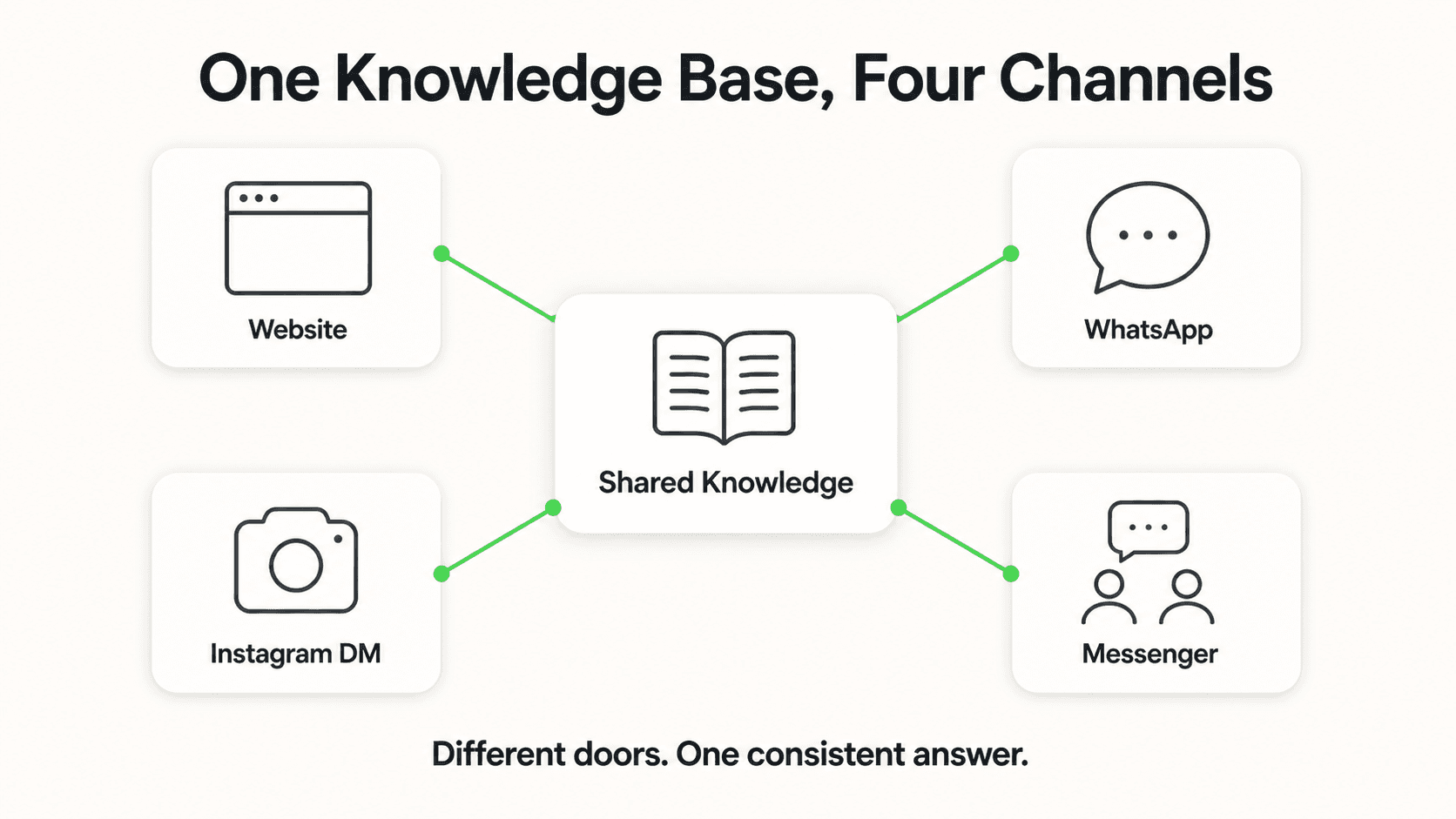
Indian clinics still depend heavily on phone-based scheduling. A typical 10-doctor multi-speciality clinic receives 150-250 calls daily across registration, appointment booking, report inquiries, and billing queries. During peak OPD hours (9 AM - 12 PM), front-desk staff are simultaneously handling walk-in registrations, insurance verifications, and phone calls. Research shows that 23-42% of calls to medical practices go unanswered during peak hours (Source: Keona Health, 2024; Patient10x, 2025). Each unanswered call is a patient who may book elsewhere — or worse, delay needed care.
For clinics in tier-2 and tier-3 cities where patients travel 30-60 kilometres for a specialist consultation, a missed call to confirm the appointment or check the doctor's availability can mean a wasted trip. These patients are not going to call back three times. They will ask a family member to find another doctor.
The No-Show Crisis
No-shows are a systemic problem in Indian healthcare. A study published in the Indian Journal of Community Medicine found that non-attendance rates at outpatient clinics range from 15-30%, varying by speciality and location. The reasons are consistent: patients forget the appointment date, they could not confirm whether the doctor is available that day, they were unsure about fasting requirements or which documents to bring, or a family member whose approval was needed was unavailable.
The math is straightforward: A specialist charging ₹1,500 per consultation with 30 daily slots and a 25% no-show rate loses 7-8 appointments daily. That is ₹10,000-12,000 in lost daily revenue, or roughly ₹30-36 lakhs annually — from a single doctor's schedule.
After-Hours and Weekend Inquiries
Indian patients do not restrict their healthcare decisions to your OPD hours. A parent notices their child's fever spiking at 10 PM and wants to know if they should come to the clinic first thing in the morning or go to the emergency department. A working professional can only research specialists after 8 PM. A family in a tier-3 city wants to confirm their appointment at your metro hospital before booking train tickets.
Research shows that approximately 40% of patient inquiries occur outside standard business hours (Source: DocResponse, 2025). Without WhatsApp, these inquiries go entirely unaddressed until the next morning — by which time the patient may have made other arrangements.
Family-Centric Decision-Making
Healthcare decisions in India are rarely made by the patient alone. A daughter manages her elderly father's cardiology appointments. A husband researches gynaecologists for his wife. Parents coordinate paediatric visits together. The joint family structure means that 2-3 family members are often involved in scheduling, transportation, payment, and follow-up.
Phone calls force this communication through a single point of contact. WhatsApp allows the clinic to communicate with the patient while the patient seamlessly forwards appointment details, prescriptions, and instructions to family members who need them. This is not a minor convenience — it is how Indian families actually coordinate healthcare.
7 Ways Clinics and Hospitals Use WhatsApp to Transform Patient Communication
1. Automated Appointment Booking and Confirmation
What this looks like in practice: A patient messages your clinic's WhatsApp Business number at 9 PM saying "I need an appointment with the orthopaedic doctor." An automated response acknowledges the message, asks about the preferred date and time, and confirms the booking — all without your front-desk staff being involved. The next morning, the staff reviews the booking and makes any necessary adjustments.
Real-world impact: Clinics that implement WhatsApp-based appointment booking typically capture 30-40% more after-hours bookings compared to phone-only systems. For a clinic losing 35-40% of inquiries to after-hours gaps, this recovery alone can generate ₹5-10 lakhs in additional annual revenue depending on consultation fees and patient volume.
Why it works: Patients prefer messaging over calling — especially for non-urgent scheduling. WhatsApp removes the friction of busy phone lines, hold times, and restricted calling hours. A patient can message at their convenience, and the conversation stays in their chat history for reference. This is particularly valuable for working professionals who cannot make personal calls during office hours.
Key features:
- Greeting message with department list and booking instructions
- Quick reply templates for confirming available slots by speciality
- Automated confirmation message with date, time, doctor name, and clinic address
- Integration with clinic management software for real-time slot availability (via WhatsApp Business API)
2. Smart Appointment Reminders That Reduce No-Shows
What this looks like in practice: Mrs. Lakshmi booked a follow-up with the endocrinologist two weeks ago. She receives a WhatsApp reminder 24 hours before: "Namaste Mrs. Lakshmi, this is a reminder for your appointment with Dr. Sharma (Endocrinology) tomorrow at 10:30 AM. Please carry your recent HbA1c report and current medication list. Fasting required — no food after 10 PM tonight. Reply CONFIRM to confirm or RESCHEDULE to change the date."
Real-world impact: Multi-touch reminder sequences have been shown to reduce no-show rates by 30-50% in healthcare settings (Source: Curogram, 2025). For a clinic with a baseline no-show rate of 25%, reducing it to 15% means recovering 5 appointments per day per doctor. At an average consultation fee of ₹1,000, that translates to ₹5,000 in recovered daily revenue — or approximately ₹15 lakhs annually per doctor.
Why it works: Unlike SMS reminders (which are buried among OTP messages and spam), WhatsApp reminders sit in the patient's primary messaging app where they check dozens of times daily. The two-way nature of WhatsApp means patients can confirm, reschedule, or ask questions right from the reminder — something SMS cannot do effectively.
Key features:
- 24-hour reminder with appointment details and preparation instructions
- 2-hour reminder on the day of the appointment
- One-tap CONFIRM / RESCHEDULE response options
- Automatic follow-up if no confirmation is received
- Reschedule workflow that offers alternative available slots
Multi-Language Reminders
India's linguistic diversity means a single clinic may serve patients who prefer Hindi, English, Telugu, Tamil, Kannada, or Marathi. WhatsApp-based reminder systems — especially those powered by AI — can send reminders in the patient's preferred language, dramatically improving comprehension and response rates in tier-2 and tier-3 cities.
3. Lab Report and Prescription Delivery
What this looks like in practice: Ramesh's blood work results are ready. Instead of requiring him to travel to the clinic to collect a paper report, the diagnostic centre sends his complete blood count report as a password-protected PDF on WhatsApp with a message: "Dear Ramesh, your CBC report (Order #4521) is attached. Password: your date of birth in DDMMYYYY format. Please share this with Dr. Gupta during your next consultation. For any concerns, reply to this message."
Real-world impact: Digital report delivery via WhatsApp eliminates the need for patients to make a separate trip to collect reports. For diagnostic centres processing 200-300 tests daily, this reduces counter footfall for report collection by up to 60-70%, freeing staff to focus on sample collection and processing. Patients receive their reports hours — sometimes days — earlier than they would through physical collection.
Why it works: In India, a significant number of patients live far from the diagnostic centre or clinic where their tests were conducted. A patient in Vijayanagar who gets blood work done at a lab in Majestic (Bangalore) should not need to travel back across the city just to collect a PDF report. WhatsApp delivers it to their phone instantly. For elderly patients, a family member can receive the report and consult the doctor on their behalf.
Key features:
- Automated notification when reports are ready
- Password-protected PDF delivery (using date of birth or a unique PIN)
- Doctor-tagged reports so patients know which physician to consult
- Follow-up message prompting the patient to schedule a review appointment
- Integration with LIMS (Laboratory Information Management System) for automated dispatch
4. Pre-Visit Instructions and Preparation Guidance
What this looks like in practice: A patient scheduled for an upper GI endoscopy receives a WhatsApp message 48 hours before the procedure: "Dear Mr. Patel, your endoscopy is scheduled for Thursday at 8:30 AM. Preparation instructions: (1) No food after 10 PM Wednesday (2) Clear liquids only until midnight (3) No water after midnight (4) Bring: Aadhaar card, insurance card, previous endoscopy reports if any (5) Arrive by 8:00 AM (6) Arrange for someone to drive you home. Reply if you have questions."
Real-world impact: Procedure cancellations due to improper patient preparation cost Indian hospitals significant revenue and operating room time. Published studies show that inadequate bowel preparation alone causes 20-25% of colonoscopy postponements globally (Source: American Society for Gastrointestinal Endoscopy, 2021). Missed preparation steps — eating before a fasting procedure, forgetting required documents, or failing to discontinue blood thinners — are consistently cited as preventable causes of day-of cancellations. Clear, timely WhatsApp instructions sent 48 hours and 24 hours before the procedure directly address this.
Why it works: When a clinic gives verbal instructions during a busy OPD, patients retain only a fraction. A printed instruction sheet often gets lost before the procedure date. A WhatsApp message stays permanently in the patient's chat — they can re-read it, forward it to the family member who is accompanying them, and use it as a checklist on the day of the procedure. For patients who do not read English, the instructions can be sent in their preferred regional language.
Key features:
- Procedure-specific instruction templates (endoscopy, colonoscopy, surgery, imaging, etc.)
- Medication hold instructions (e.g., stop blood thinners 5 days before surgery)
- Document checklist (Aadhaar, insurance card, previous reports, referral letters)
- Directions to the hospital or specific department
- Emergency contact details for pre-procedure concerns
5. Post-Discharge Follow-Up and Medication Reminders
What this looks like in practice: After Mr. Reddy's knee replacement surgery, the hospital sends a structured WhatsApp follow-up sequence: Day 1 post-discharge — wound care instructions and pain management reminders. Day 3 — physiotherapy exercise video. Day 7 — check-in message asking about pain levels, swelling, and mobility. Day 14 — reminder for the suture removal appointment. Day 30 — follow-up X-ray reminder.
Real-world impact: Post-discharge follow-up is one of the most neglected aspects of Indian hospital care. Patients are discharged with a stack of papers containing medication schedules, wound care instructions, and follow-up dates — much of which they do not fully understand. Research published in healthcare quality improvement literature consistently shows that structured post-discharge communication reduces readmission rates. A systematic review in the Journal of General Internal Medicine found that post-discharge follow-up interventions meaningfully reduce 30-day readmissions. The key mechanism is ensuring patients understand and follow their care instructions rather than encountering a complication that could have been prevented.
Why it works: The critical period after discharge is when patients are most vulnerable and most likely to have questions. Did the doctor say to take this tablet before or after food? Is this level of swelling normal? When exactly should I remove the bandage? Without a communication channel, patients either call the busy hospital landline (and often do not get through) or wait until their next in-person visit — which may be two weeks away. WhatsApp gives them instant access to guidance during the recovery period.
Key features:
- Day-wise post-discharge message sequences
- Medication reminder schedules with dosage and timing
- Physiotherapy exercise videos and recovery milestones
- Symptom check-ins that route urgent concerns to the treating doctor
- Follow-up appointment reminders with seamless rescheduling
Automate Patient Communication on WhatsApp
Hyperleap AI helps clinics and hospitals deploy AI-powered WhatsApp chatbots that handle appointment booking, reminders, report delivery, and follow-ups — in Hindi, English, and regional languages.
See How It Works6. Patient Registration and ABHA ID Collection
What this looks like in practice: A new patient messages the clinic's WhatsApp number. The system collects their basic registration details — name, age, gender, phone number, Aadhaar (optional), and ABHA (Ayushman Bharat Health Account) ID if they have one. For patients without an ABHA ID, the system shares a brief explanation and a link to create one. This pre-registration data flows into the clinic's HMIS (Hospital Management Information System) so the patient's file is ready before they walk in.
Real-world impact: Walk-in registration at Indian clinics takes 5-10 minutes per patient, creating queues during peak OPD hours. WhatsApp-based pre-registration can reduce this to under 2 minutes — the front desk simply verifies the pre-collected information. For a clinic registering 80-100 patients daily, this saves 4-6 hours of front-desk time and dramatically reduces waiting room congestion.
Why it works: India's Ayushman Bharat Digital Mission (ABDM) is driving healthcare digitisation. The ABHA ID — a 14-digit unique health identifier — is central to this initiative. Clinics that collect ABHA IDs can participate in the national health records ecosystem, enable interoperability of patient records across facilities, and position themselves as digitally progressive. WhatsApp is the most natural channel to collect this information because patients are already comfortable sharing details on the platform.
Key features:
- Structured pre-registration form collection via WhatsApp chat
- ABHA ID capture and verification
- Integration with HMIS for automatic patient file creation
- Document upload (Aadhaar, insurance card photos) before the visit
- Consent collection for digital data processing (DPDP Act compliance)
Digital Personal Data Protection Act Compliance
The Digital Personal Data Protection Act, 2023 (DPDP Act), with its rules notified in 2025, requires healthcare providers to obtain specific, informed consent before processing patient personal data — including data collected via WhatsApp. Clinics must clearly communicate what data they collect, the purpose of collection, and how patients can withdraw consent. Health data is treated as sensitive personal data under the Act. Ensure your WhatsApp Business communication includes proper consent mechanisms, and maintain auditable records of all patient data processing.
7. Two-Way Communication for Patient Queries and Routing
What this looks like in practice: A patient messages at 7 PM: "My mother had cataract surgery yesterday and her eye is very red. Is this normal?" The automated system acknowledges the message instantly, asks clarifying questions (severity of redness, any pain, vision changes), and based on the responses either reassures the patient with standard post-operative guidance or routes the conversation to the on-call ophthalmologist for immediate attention.
Real-world impact: After-hours patient queries are a major source of anxiety for both patients and clinicians. Without a structured communication channel, patients either rush to emergency departments for non-urgent concerns (wasting time and money) or delay reporting genuine warning signs. A well-designed WhatsApp communication system helps filter routine questions from urgent ones, routing critical concerns to the appropriate medical professional while providing instant reassurance for common post-procedure symptoms.
Why it works: Indian patients — and especially their family members — have an abundance of questions that do not warrant an in-person visit but cause significant anxiety when unanswered. Is mild fever normal after vaccination? Can I eat rice after a tooth extraction? When can I resume driving after knee surgery? These questions are answered a thousand times a day in clinics across India. WhatsApp, especially when enhanced with AI, can provide document-grounded answers to common clinical questions instantly, escalating only the cases that require human medical judgement.
Key features:
- Instant acknowledgment for all patient messages (automated)
- AI-powered responses for common post-visit and general health queries
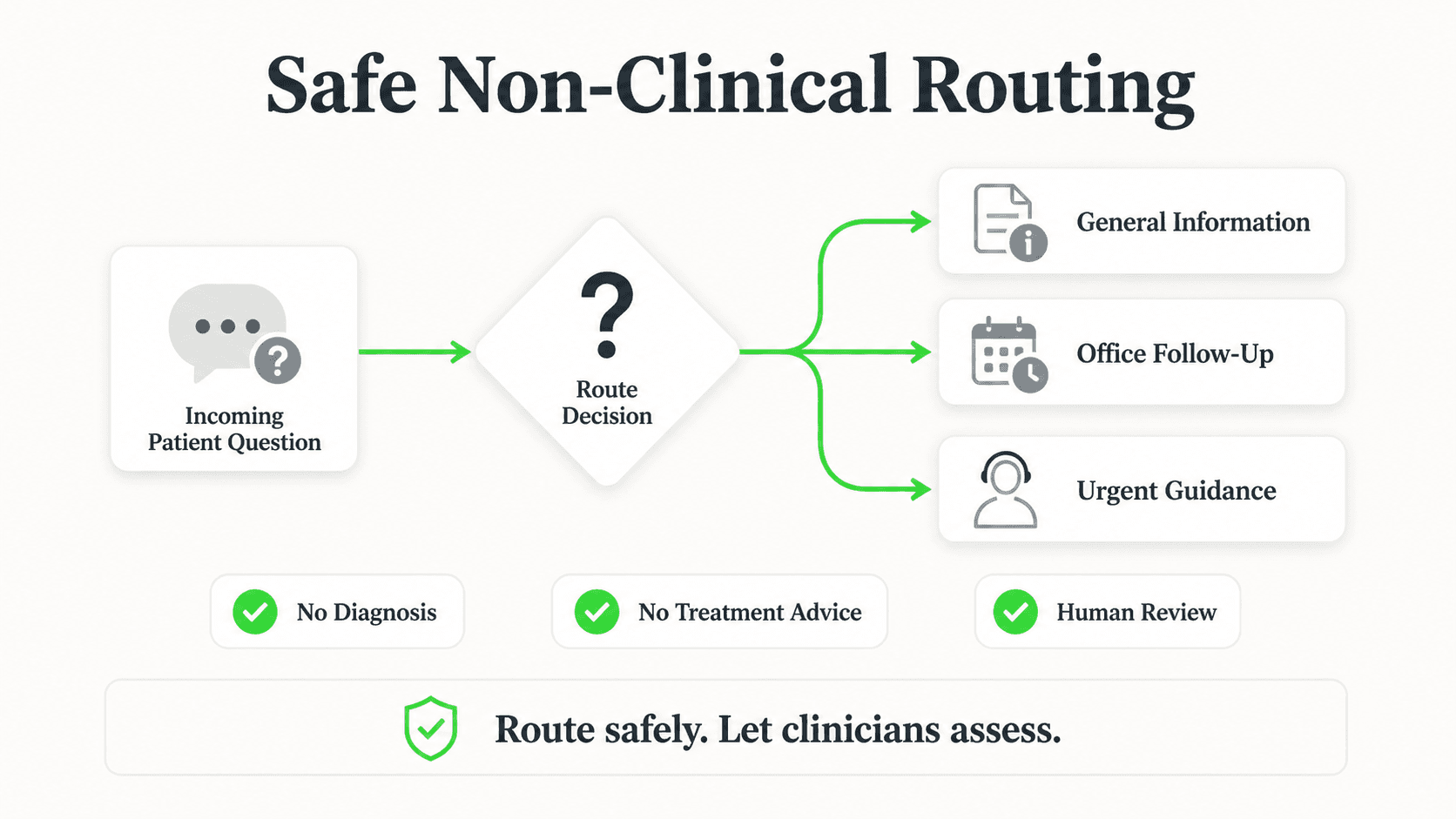
- Intelligent routing to the appropriate department or doctor for urgent concerns
- Multi-language query handling (Hindi, English, and regional languages)
- Conversation history maintained for continuity of care
Real Results: What Indian Clinics Are Achieving
Healthcare providers across India who have professionalized their WhatsApp patient communication report consistent improvements across key operational and financial metrics.
Reduced No-Shows and Cancellations
WhatsApp appointment reminders consistently deliver measurable results in Indian healthcare settings. Clinics that implement structured reminder sequences (24-hour + 2-hour before appointment) typically see no-show rates drop by 25-40%. For a multi-speciality clinic with 5 doctors each seeing 30 patients daily, reducing the no-show rate from 25% to 15% recovers approximately 15 appointments per day. At an average consultation fee of ₹800-1,500, that translates to ₹12,000-22,500 in recovered daily revenue — or ₹36-67 lakhs annually.
Improved Operational Efficiency
The operational benefits are equally significant:
- Reduced phone call volume: WhatsApp-based scheduling and report delivery can reduce incoming phone calls by 40-50%, freeing front-desk staff for in-person patient care
- Faster registration: Pre-registration via WhatsApp cuts walk-in registration time from 8-10 minutes to 2-3 minutes per patient
- Report collection footfall: Digital report delivery reduces counter visits for report pickup by 60-70%
- Staff time saved: Automated reminders and quick replies save 2-3 hours of staff time daily on repetitive communication
Higher Patient Satisfaction and Retention
Patients who receive timely, professional communication via WhatsApp report significantly higher satisfaction with their clinic experience. In a market where Google reviews and word-of-mouth referrals drive new patient acquisition, this satisfaction translates directly into growth. A patient who receives a WhatsApp reminder, a helpful pre-visit instruction, and a post-discharge follow-up is far more likely to return for future care and recommend the clinic to family and friends.
Revenue Growth
The cumulative financial impact across reduced no-shows, increased after-hours bookings, and improved patient retention is substantial. Multi-speciality clinics implementing comprehensive WhatsApp communication systems report revenue improvements in the range of ₹20-50 lakhs annually, depending on size and speciality mix — with the investment required being a fraction of that return.
Implementation Roadmap for Indian Clinics
Here is a practical 30-day plan to implement professional WhatsApp patient communication at your clinic or hospital.
Week 1: Foundation (Days 1-7)
Day 1-2: WhatsApp Business Setup
- Get a dedicated phone number for the clinic (not a doctor's personal number)
- Download and install WhatsApp Business
- Complete the business profile: clinic name, address, specialities, OPD timings, website, email
- Set a professional profile photo (clinic logo or building exterior)
Day 3-4: Automated Messages
- Configure greeting message: "Namaste! Welcome to [Clinic Name]. We offer [specialities]. To book an appointment, reply with the department name. For emergencies, call [number]."
- Configure away message with OPD timings and emergency contact
- Set up business hours accurately
Day 5-7: Quick Replies and Labels
- Create quick reply templates for: appointment confirmation, preparation instructions (by procedure type), directions to clinic, OPD timings, insurance/payment information
- Set up labels: "New Patient," "Appointment Confirmed," "Report Pending," "Follow-Up Due," "Urgent," and department-specific labels
Week 2: Patient Migration (Days 8-14)
- Add WhatsApp number to clinic signage, visiting cards, website, and Google Business Profile
- Train front-desk staff on WhatsApp Business features — labels, quick replies, broadcast lists
- Begin sending appointment confirmations via WhatsApp for all new bookings
- Start sharing lab reports via WhatsApp (with patient consent and password protection)
Week 3: Automation (Days 15-21)
- Implement 24-hour appointment reminder messages
- Set up pre-visit instruction templates for common procedures
- Create post-visit follow-up sequences for surgical patients
- Build broadcast lists segmented by department and condition type
Week 4: Optimisation (Days 22-30)
- Measure no-show rates before and after WhatsApp reminders
- Track phone call volume reduction
- Gather patient feedback on WhatsApp communication
- Identify gaps and refine templates based on actual patient questions
When to Upgrade to WhatsApp Business API
If your clinic handles more than 100 patient conversations daily, has multiple departments that need concurrent access, or wants AI-powered automated responses and integration with your HMIS, consider upgrading to the WhatsApp Business API. The API enables multi-agent access, chatbot automation, CRM/HMIS integration, and template messaging at scale — essential for hospitals and large polyclinics.
Frequently Asked Questions
Will WhatsApp replace our front-desk staff?
No. WhatsApp automates the repetitive, time-consuming parts of patient communication — appointment reminders, report delivery, pre-visit instructions, and common queries. Your front-desk staff are freed up to handle complex cases, in-person patient interactions, insurance verifications, and situations that require human judgement and empathy. The goal is not to eliminate staff but to eliminate the 60-70% of their time spent on tasks that WhatsApp handles more efficiently.
How much does WhatsApp Business for clinics cost?
The WhatsApp Business app is free and sufficient for most small to mid-sized clinics. For hospitals and large polyclinics that need multi-agent access, AI automation, and HMIS integration, the WhatsApp Business API involves costs that vary by provider — typically ₹5,000-15,000 per month depending on message volumes and features. Compared to the cost of missed appointments (₹30-50 lakhs annually for a busy specialist), the investment pays for itself within the first month. Read our detailed WhatsApp chatbot pricing breakdown for Indian businesses.
How long does it take to set up WhatsApp for a clinic?
The basic WhatsApp Business setup takes 2-3 hours — installing the app, completing the business profile, and configuring automated messages and quick replies. Full implementation including staff training, patient migration, and template optimisation takes 2-4 weeks. For WhatsApp Business API with AI-powered automation and HMIS integration, plan for 4-6 weeks including testing and staff training.
Is WhatsApp communication secure enough for patient health data?
WhatsApp provides end-to-end encryption, meaning messages can only be read by the sender and recipient. For additional security, clinics should password-protect sensitive documents (lab reports, prescriptions), use a dedicated business number (not personal accounts), enable two-factor authentication, and maintain clear data handling policies compliant with the DPDP Act. While WhatsApp is not a certified Electronic Health Record system, it is secure enough for appointment communication, report delivery, and general patient queries — which covers the majority of clinic-patient interactions.
Can WhatsApp work with our existing clinic management software?
Yes, through the WhatsApp Business API. The API can integrate with popular Indian HMIS platforms to enable automatic appointment syncing, report delivery triggers, and patient record updates. For clinics using paper-based or spreadsheet-based systems, WhatsApp Business (the free app) can still dramatically improve communication — you simply manage it alongside your existing workflow. Integration with ABDM-compliant systems also enables ABHA ID-based patient identification across the healthcare ecosystem.
How do we handle emergency messages on WhatsApp?
WhatsApp should never be positioned as an emergency communication channel. Your automated greeting and away messages should clearly state: "For medical emergencies, call [emergency number] or visit our Emergency Department immediately. WhatsApp is for appointment booking, queries, and non-urgent communication." Urgent but non-emergency queries (post-surgical concerns, medication reactions) should be filtered through structured questions and routed to the appropriate on-call physician. This routing approach ensures patients with genuine urgent needs reach a doctor quickly while routine queries are handled by the automated system.
Do we need patient consent to communicate via WhatsApp?
Yes. Under the DPDP Act, you must obtain specific, informed consent before processing patient personal data through WhatsApp. Practically, this means having patients opt in to WhatsApp communication during registration — either verbally (documented in your records) or through a written consent form. The consent should specify what types of messages they will receive (appointment reminders, reports, follow-ups) and how they can opt out. Most patients readily consent because WhatsApp communication benefits them directly, but the legal requirement for documented consent is non-negotiable.
Better Patient Communication Starts Now
WhatsApp is already how 600+ million Indians communicate daily — and your patients are no exception. The clinics and hospitals that will thrive in India's rapidly growing healthcare market are the ones that meet patients where they are: on WhatsApp, in their language, on their schedule.
The 7 practices in this guide — from automated appointment reminders to post-discharge follow-ups — require no massive technology investment. A single-doctor clinic can start with the free WhatsApp Business app and see results within the first week. Multi-speciality hospitals and diagnostic chains can scale with the WhatsApp Business API and AI-powered automation to handle thousands of patient interactions daily.
The gap between clinics that communicate professionally on WhatsApp and those that still rely on unanswered phone calls and paper appointment slips is widening every month. Patients notice the difference. They choose the clinic that sends them a reminder, delivers their reports to their phone, and answers their post-visit questions at 9 PM — not the one that makes them call back three times to confirm an appointment.
For clinics ready to go beyond basic WhatsApp Business — with AI-powered patient communication that handles appointment booking, report queries, and follow-up scheduling 24/7 in any language — the technology is here today.
How much does WhatsApp Business API actually cost?
Meta charges per conversation, not per message, with different rates for marketing, utility, authentication, and service conversations. Pricing varies by country — see the WhatsApp Business Platform pricing docs. Hyperleap surfaces these costs transparently and does not mark them up.
Is a WhatsApp Business Account required to use Hyperleap on WhatsApp?
Yes — Meta requires a verified WhatsApp Business Account with a dedicated phone number for the WhatsApp Business API. Hyperleap walks you through provisioning during onboarding.
Can the same chatbot handle WhatsApp and website chat?
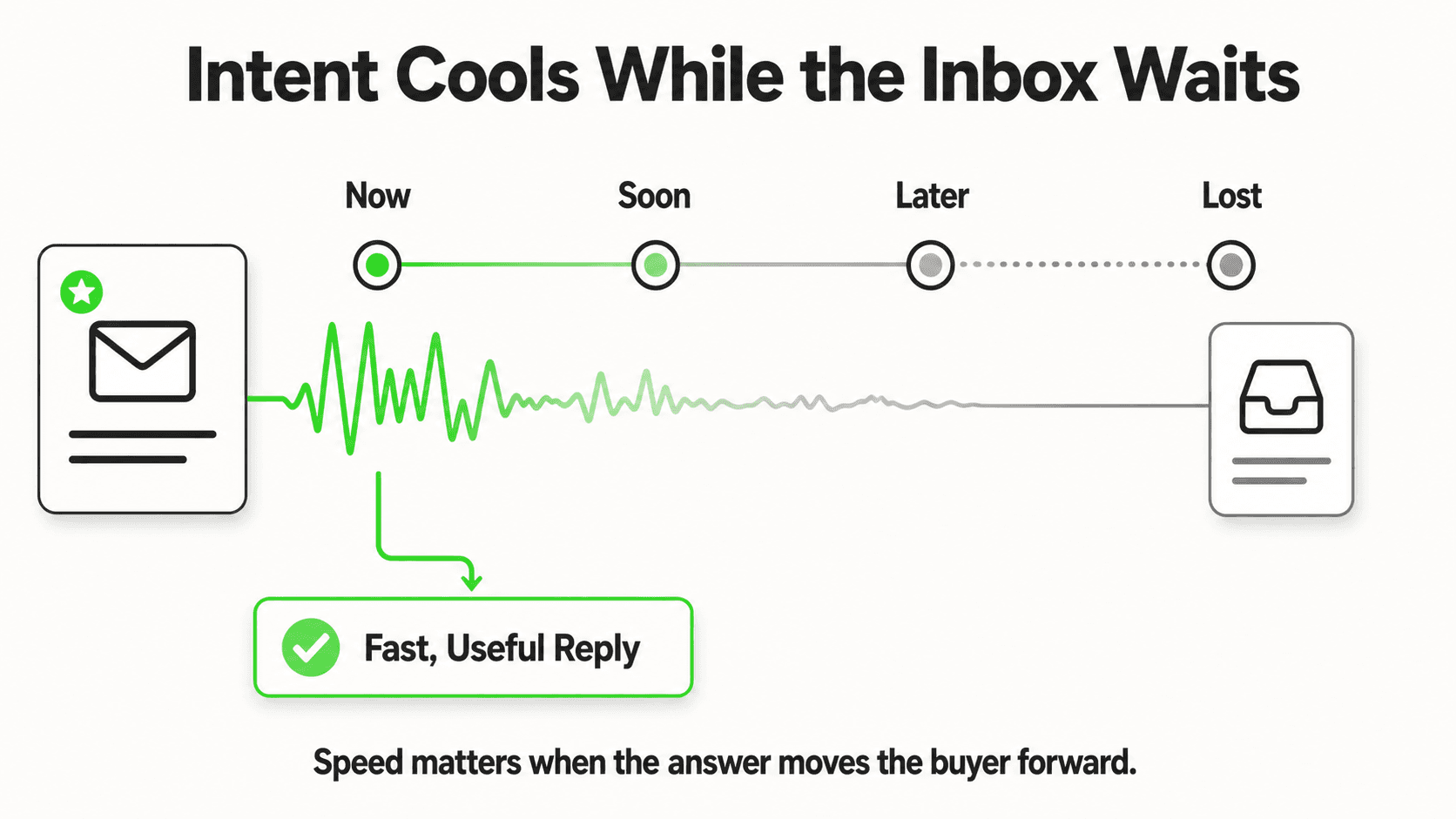
Yes. Hyperleap runs one AI agent across Website chat, WhatsApp, Instagram DM, and Facebook Messenger — same knowledge base, same answers, same conversation history in one unified inbox.
Ready to Transform Your Clinic's Patient Communication?
Hyperleap AI Agents handle appointment booking, reminders, report queries, and patient follow-ups on WhatsApp — 24/7, in Hindi, English, and regional languages.
Get StartedIndustry Solutions
See how AI chatbots work for these industries:
Related Articles

WhatsApp for Auto Dealerships and Workshops in India
How Indian dealerships and workshops use WhatsApp to capture leads, book services, and drive repeat business from buyers.
WhatsApp for Home Services in India: Lead Guide
How Indian home service businesses use WhatsApp to capture leads, book jobs instantly, and convert 3x more inquiries into completed work orders.

WhatsApp for Real Estate Developers in India
How Indian real estate developers use WhatsApp to capture project inquiries, schedule site visits, and convert leads 3x faster than traditional methods.

WhatsApp for Salons & Spas in India: Bookings Guide
How Indian salons and spas use WhatsApp to fix missed bookings, automate follow-up, and grow client retention and revenue.