AI Chatbot for Boutique Hotels (2026 Guide)
How independent boutique hotels use AI chatbots to deliver personalized guest experiences and match chains on response speed.
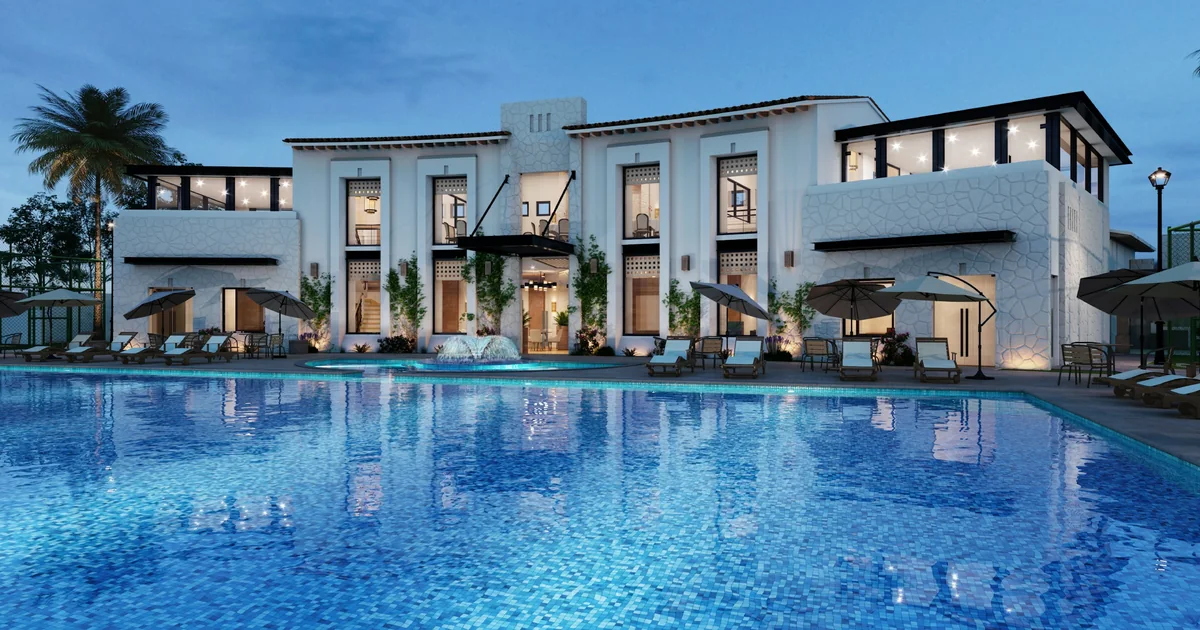
Marriott has a revenue management team. A digital marketing team. A reservations center staffed around the clock, across time zones. Its booking journey has been A/B tested against hundreds of thousands of data points until every click converts a little better than the last.
You have a property manager who also runs the Instagram account, a reservations inbox nobody checks after 7 PM, and DMs that drive genuine interest from people who fall asleep — and book somewhere else — before you ever reply.
That's the boutique hotel problem in 2026. The 12-room ryokan in Kyoto. The converted farmhouse in the Val d'Orcia. The loft hotel on the Lower East Side. The guesthouse in Cape Town's De Waterkant. These properties win on intimacy — that's the whole point of them being small. But small has a ceiling: it can't staff a 24-hour desk the way a chain can.
Hyperleap AI's own deployment data puts 35% of hospitality inquiries outside standard business hours. If you lock the door at 10 PM and open the inbox at 8 AM, more than a third of your demand is arriving while nobody's home — handed straight to whichever competitor answers first. Salesforce's State of the Connected Customer (2024) found 83% of consumers expect an immediate reply. Chains meet that bar with call centers. Independent hotels can now meet it with AI.
An AI chatbot built for boutique properties closes that gap. Not by replacing what makes your hotel special, but by making sure someone — or something — answers at 2 AM the way your best front-desk staffer would at 2 PM.
Who This Guide Is For
This guide is for owners and operators of independent boutique hotels, design hotels, bed-and-breakfast conversions, and small luxury properties in destinations like Kyoto, Tuscany, New York, Cape Town, and Lisbon. If you compete on personality and guest experience rather than loyalty points and conference facilities, this guide is written for you.
What Is an AI Chatbot for Boutique Hotels?
Strip away the buzzwords and it's this: a conversational AI agent trained on your property's specifics. Room stories, design philosophy, neighborhood knowledge, house rules, the details that make your place yours and not a Marriott with better lighting.
The design goal isn't automation for automation's sake. It's personalization at scale. A good boutique hotel chatbot should sound like someone who actually knows the building — who can tell a guest the corner room with the garden view feels completely different from the loft room under the skylight, who knows which trattoria down the block is worth the walk and which one is a tourist trap, who remembers a guest mentioned they're vegetarian during the booking chat so it's already noted by arrival.
Chain hotel bots handle volume through standardization. A boutique bot has to handle volume through character — that's the harder problem, and the more valuable one. The goal was never to remove the human touch. It's to stretch that touch across the hours your humans are asleep.
Run it across your website, WhatsApp, Instagram DM, and Facebook Messenger, and every inquiry gets a specific, attentive answer — at 8 PM, at 1 AM, on a Sunday morning when the front desk is dark.
Why Independent Boutique Hotels Struggle to Compete on Response
Boutique hotels aren't losing because the product is worse. Usually the opposite — independent properties routinely beat chains on TripAdvisor scores, on guest satisfaction, on the nightly rate they can charge. The problem sits entirely on the operations side: availability and speed.
The Response Speed Disadvantage
A traveler pulls up a boutique property next to a chain on Booking.com or Google Hotels. Sends an inquiry to both. The chain's call center replies in five minutes, any hour of the day. The boutique property's owner is asleep, or the part-time reservations manager checks her inbox twice a day.
Whoever replies first usually wins the booking. Not because the reply was better — because it arrived. That's the entire mechanism AI chatbots break. Give a boutique property 24/7 AI response and suddenly it's competing on equal footing for the most time-sensitive stretch of the booking journey — the moment right after someone hits "send."
The Staff Bandwidth Constraint
Most boutique teams run on one or two people wearing five hats. The same person handling reservations also does check-in, manages guest requests mid-stay, updates OTA listings, and posts to Instagram between all of it. Peak season hits — long weekends, a festival in town — and that person is buried in on-property work. Inquiries sit for hours, sometimes days. Conversion collapses at exactly the moment demand peaks.
An AI chatbot doesn't care how busy the property is. It answers every inquiry the same way at 100% occupancy as it does in a slow week — which matters most precisely when human bandwidth is thinnest.
The OTA Dependency Trap
Skift Research (2024) puts OTA commissions at independent boutique hotels around 15–20% of room revenue. A Tuscany property charging €250 a night hands over €37.50–€50 of it to Booking.com or Expedia, per booking. Run that across a seven-night stay in an eight-room property during high season and the margin hit adds up fast.
Boutique hotels lean on OTAs harder than chains do because they don't have the marketing muscle to drive steady direct traffic on their own. A chatbot that catches every direct inquiry, replies instantly, and makes the case for booking direct — best rate, personal welcome, flexibility — shifts that ratio over time. Slowly, but it shifts.
The Review Management Challenge
TripAdvisor and Google review scores carry outsized weight for boutique properties. Chains lean on brand recognition and loyalty points; independents live and die by their star rating. Drop from 4.8 to 4.5 on TripAdvisor and watch your click-through rate take a real hit.
Managing that proactively — asking happy guests for reviews, replying within a day, catching problems before they become one-star posts — takes consistent effort. Lean teams rarely have it to spare. A chatbot that collects post-stay feedback automatically, routes satisfied guests to the review platforms, and flags unhappy ones to staff immediately builds the process most boutique hotels know they need and never quite get around to running by hand.
7 Ways Boutique Hotels Use AI Chatbots for Personalized Service at Scale
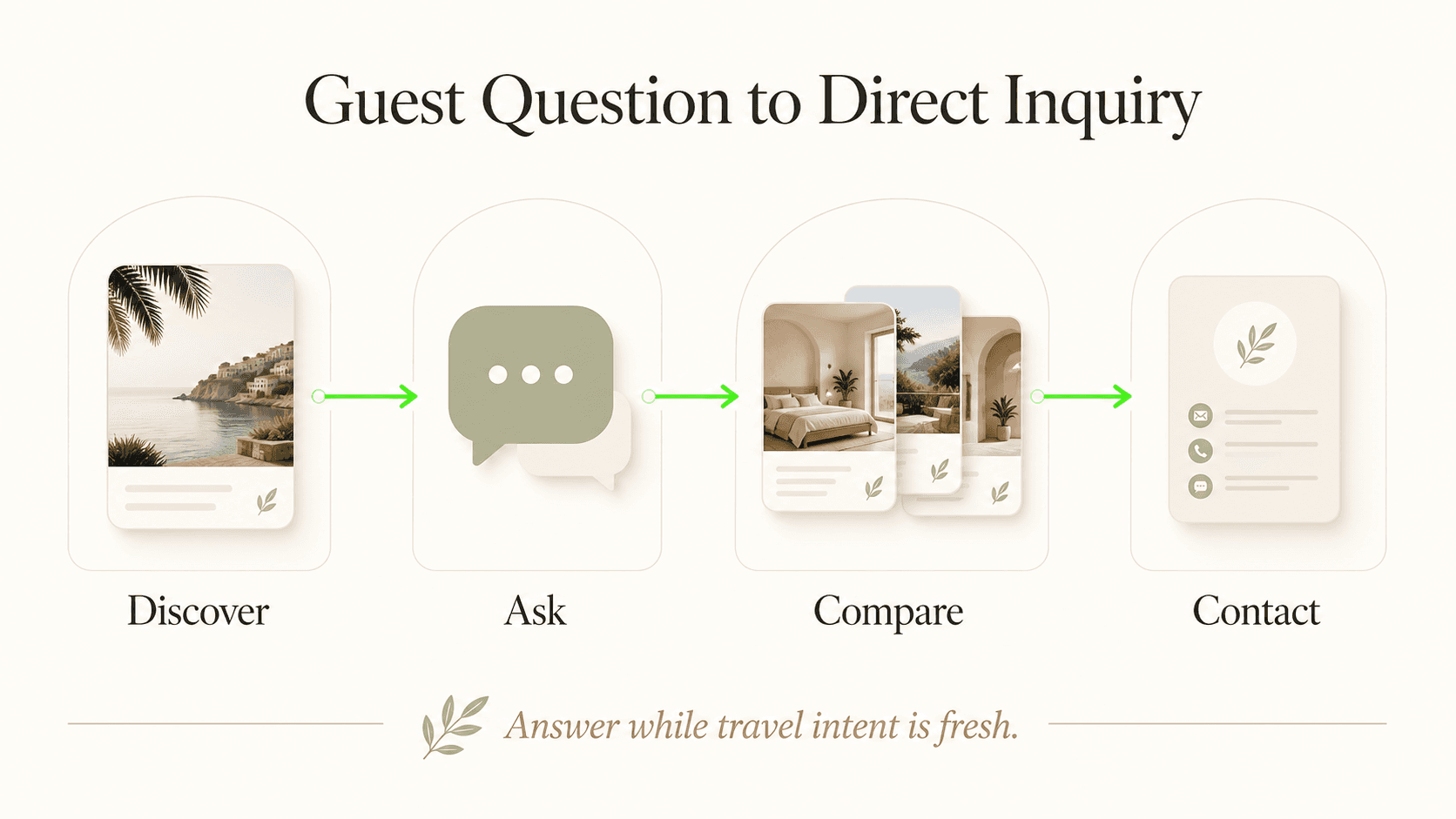
The Core Capabilities Independent Properties Deploy
1. 24/7 Inquiry Response with Boutique Personality
The foundational move: answer every inquiry the moment it lands, in the voice your property has spent years cultivating.
What this looks like in practice: A guest from Paris DMs a New York indie hotel on Instagram, Saturday evening — asking about a loft room for a long weekend in April, whether anyone on staff speaks French, what the neighborhood dining scene is like. The chatbot picks up French automatically, describes the loft room (exposed brick, the view, the reading nook), pulls three restaurant picks from the property's own neighborhood guide, and answers the staff-language question correctly. All within seconds.
Real-world impact: In Hyperleap AI's Jungle Lodges deployment (Karnataka, India), 35% of inquiries came in after hours. The AI caught all of them, contributing to 3,300+ verified leads across 90 days. For a property with an international guest base, that after-hours window is real revenue sitting on the table.
Why it works: People choose boutique hotels specifically because they want something more personal than a chain. A bot that describes the loft room the way your most enthusiastic host would — not the way a booking engine spits out a template — reinforces that from the very first message.
Key features:
- Brand voice calibration (warm and conversational, not corporate)
- Room descriptions that capture feel and story, not just square footage
- Neighborhood knowledge base with curated local recommendations
2. Guest Preference Capture and Pre-Arrival Personalization
The boutique promise isn't a nice room. It's a stay that feels tailored to you specifically. Capturing preferences during the booking conversation makes that possible at a scale that would otherwise require a dedicated concierge.
What this looks like in practice: A couple booking four nights at a Cape Town boutique hotel mentions on WhatsApp, mid-conversation, that it's their anniversary. The bot notes it, asks if they'd like a special touch — wine on arrival, flowers in the room, a dinner recommendation — logs their answer against the reservation, and flags the property manager. They arrive to champagne and flowers. It feels like magic. Behind the curtain, it was a chatbot that caught the detail and routed it correctly.
Why it works: The bottleneck was never the desire to remember a guest's anniversary — every boutique owner wants that. It's capturing the information and getting it to the right person before check-in. Fix that bottleneck and the personalization takes care of itself.
Key features:
- Special occasion capture (anniversaries, birthdays, honeymoons)
- Dietary and breakfast preference collection before arrival
- Room setup preferences (extra pillows, specific floor, quiet room request)
- Preferences logged and routed to the property team with context
3. Local Neighbourhood Expert Recommendations
Guests always ask for the local stuff — the quiet sake bar, the market that's only there Saturday mornings, the viewpoint the guidebooks miss. It's also the most staff-intensive question to answer well, because it needs a real person with real local knowledge on hand.
What this looks like in practice: A Kyoto ryokan guest messages via the website widget asking for a quiet sake bar nearby, a morning walking route through Higashiyama that dodges the tour groups, and a decent soba lunch spot. The bot pulls from a knowledge base the property team actually wrote — not Google Maps' top-rated list — and answers with real specifics: hours, how to find the entrance, whether you need a reservation.
Why it works: Local knowledge is a genuine differentiator. A Tuscany farmhouse that knows exactly which truffle market to hit in October, a Lisbon guesthouse that knows which tram line always gets stuck — that's the kind of detail that earns a five-star review. Train it into the bot once, and it's available at 2 AM without your team repeating the same three answers all week.
Key features:
- Curated neighborhood guide built by the property team, not scraped
- Category-based recommendations — dining, walks, markets, hidden gems
- Practical details included: hours, reservation requirements, distance
- Refreshed seasonally as the neighborhood changes
4. Direct Booking Conversion and OTA Displacement
Independent hotels can't absorb the OTA commission the way a chain can. A chatbot that makes the direct-booking case at the exact moment intent peaks is one of the cheapest revenue tools available to a small property.
What this looks like in practice: A guest messages a Tuscany farmhouse via Facebook Messenger after finding it on Booking.com — comparing the OTA rate against booking direct. The bot quotes the direct rate, which includes a complimentary airport transfer the OTA listing never mentions, adds a price-match on the OTA rate if they find better, and offers a 48-hour hold with free cancellation up to 7 days out. The guest books direct. The property keeps €45 that would've gone to commission.
Why it works: A lot of guests never book direct simply because they don't know it's an option, or assume the OTA rate is automatically the best deal. Closing that information gap the instant the guest is comparing prices — not after — is what moves the needle over a 3–6 month stretch.
Key features:
- Direct booking link surfaced in every inquiry
- Best-rate guarantee messaging
- Direct-only perks called out (flexibility, personal touches, complimentary add-ons)
5. Instagram and Social DM Inquiry Management
Boutique hotels generate real organic interest on Instagram — interior shots, neighborhood content, guest tags. But manually running DMs on top of every other channel is a lot for a two-person team. The chatbot absorbs that volume without anyone needing to babysit the app.
What this looks like in practice: A design-focused New York hotel posts a Reel of the rooftop terrace. Within 24 hours: 23 DMs, several from travelers overseas asking about specific weekends. The bot answers all 23 in minutes, grabs contact details, quotes preliminary availability and pricing, and hands the warmest leads to the reservations manager.
Why it works: Someone who DMs after watching a Reel is a hotter lead than a cold OTA search click. Miss the response window and you've wasted one of the best lead sources boutique properties have. Answer instantly and that organic reach turns into actual bookings.
Key features:
- Instagram DM alongside website chat, WhatsApp, and Facebook Messenger
- Consistent response quality across every channel
- Lead qualification and handoff to the reservations team for hot prospects
6. Repeat Guest Recognition and Loyalty Building
A returning guest is the best kind of validation a boutique hotel gets — and the cheapest booking to close. A bot that recognizes a returning guest and references their history creates that "they remember me" moment without anyone digging through old records.
What this looks like in practice: A guest who stayed at a Cape Town property six months ago sends a WhatsApp inquiry about coming back for a different season. The bot recognizes the number, greets them by name as a returning guest, references the last stay ("Welcome back — hope you enjoyed your time in January"), and offers a returning-guest perk — priority room pick, late checkout, a discounted direct rate — before they've even asked.
Why it works: That recognition moment lands hard with boutique guests specifically, because they chose an independent property to avoid feeling like a reservation number in the first place. Deliver it consistently for every returning guest and you've built loyalty at scale, without anyone manually pulling guest history before each reply.
Key features:
- Returning guest recognition via phone number or email match
- Previous stay referenced in the opening message
- Configurable returning-guest offer
- Preference history surfaced to the team ahead of arrival
7. Review Management and Reputation Building
For independent hotels, the review score is the marketing budget. A chatbot that runs the review cycle systematically — collecting post-stay feedback, sending happy guests to Google or TripAdvisor, flagging unhappy ones to staff immediately — protects that asset.
What this looks like in practice: 36 hours after checkout, a Kyoto ryokan guest gets a personal WhatsApp note: "Thank you for staying with us during cherry blossom season — we'd love to hear how it went." Positive response? The bot sends a direct link to Google Reviews or TripAdvisor. Any hint of a complaint? The property manager gets an immediate alert to follow up before it turns into a public review.
Why it works: Review velocity matters almost as much as review quality. Properties that collect reviews from every checkout — not just the guests who happen to feel like writing one — keep their rating fresh and stay visible in search. Automate the post-stay message and this stops depending on staff remembering to ask.
Key features:
- Automated post-stay trigger (24–48 hours after checkout)
- Sentiment detection routes positive and negative feedback differently
- Direct links to Google, TripAdvisor, Booking.com in the positive flow
- Immediate staff alert for anything that looks like a problem
Compete With Chains on Response Speed, Not Staff Count
Hyperleap AI gives independent boutique hotels 24/7 guest response capability across all channels—without a reservations call center. 7-day free trial, no commitment.
Start Free TrialReal Results: What Boutique Hotels Are Achieving
After-Hours Revenue Recovery
The single most consistent result we hear: recovering after-hours revenue that used to just disappear into silence.
Hyperleap AI's Jungle Lodges deployment shows 3,300+ leads captured in 90 days, 35% of them arriving outside business hours. For a 10–20 room property charging $200–$400 a night, one recovered after-hours booking for a week-long stay is $1,400–$2,800 in revenue that would've gone to a competitor. Most properties recoup the monthly subscription cost in the first week.
Reduced OTA Dependency
Over 3–6 months of consistently pushing the direct-booking message, boutique properties see their direct-to-OTA ratio shift. On thin hospitality margins, clawing back even part of that commission is a meaningful profit swing.
Operational Efficiency for Multi-Role Teams
Teams that used to burn hours a day on repetitive email and DM replies report a real drop in that workload once the bot takes it over. That time goes back into service delivery, upselling, and the relationship moments that actually drive repeat bookings.
TripAdvisor and Google Review Improvement
Properties running systematic post-stay collection through the bot see review velocity climb. More reviews, from more checkouts — not just the vocal minority — keeps ratings fresh and helps OTA and Google search rankings. It's free marketing that compounds.
Getting Started: A Step-by-Step Guide for Boutique Hotels
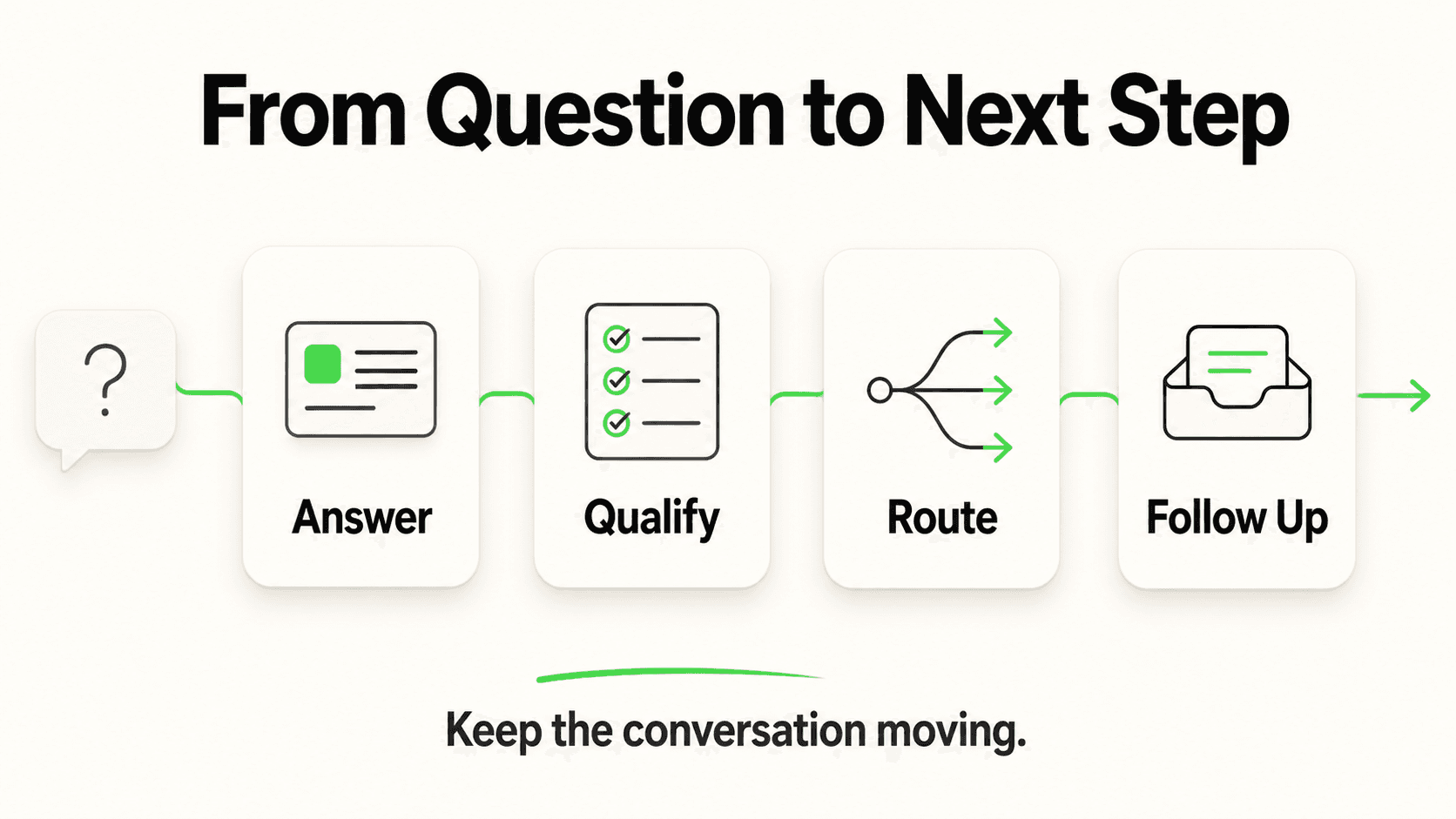
Step 1: Build Your Knowledge Base (Days 1–5)
This is the foundation — don't skip it. Gather:
- Room descriptions in your property's actual voice, not hotel-template language
- A neighborhood guide with recommendations your team genuinely stands behind
- Your property's story and design philosophy
- House policies — check-in, check-out, pets, children, noise
- Inclusions and extras — breakfast, parking, bike hire, airport transfers
- An FAQ pulled from the questions you already answer most often
The richer this content, the better every future guest conversation. An afternoon spent on room descriptions pays for itself many times over.
Step 2: Configure Your Channels (Days 5–7)
For most boutique properties, the priority order looks like:
- Website chat — guests already on your site are high-intent
- Instagram DM — where your visual content turns into inquiries
- WhatsApp — essential for international guests, especially from Asia and the Middle East
- Facebook Messenger — strong for North American and European travelers
Step 3: Set Up Pre-Arrival Flows (Days 7–14)
Set the pre-arrival questions your team actually wants answered before every check-in:
- Special occasions?
- Dietary needs for breakfast?
- Estimated arrival time?
- Room setup preferences?
These route straight to your property notes, or ping the right team member by webhook.
Step 4: Activate Post-Stay Review Collection (Day 14+)
Turn on the post-stay trigger with sentiment routing. This is the one workflow nearly every boutique owner tells us they wish they'd set up on day one instead of month three.
What About My PMS?
Hyperleap AI connects to your existing systems via REST API and webhooks. For specific PMS integration, your IT provider can configure the webhook connection to route lead data and preference information directly into your reservation system. See the full hospitality agent page for technical details.
Data Sources
- Hyperleap AI Jungle Lodges deployment case study (2024)
- Salesforce, State of the Connected Customer (2024)
- Skift Research, "OTA Commission Analysis at Independent Hotels" (2024)
- TripAdvisor, Review Impact on Hotel Booking Conversion (2024)
The Playing Field Just Levelled
Boutique hotels always had the better product. The Kyoto ryokan with paper screens and a hinoki bath. The Chianti farmhouse with 400-year-old stone walls and a breakfast table in the garden. The Brooklyn loft hotel with local art on the walls and a menu sourced from the Saturday market. No Marriott replicates any of that.
What chains had instead was infrastructure — always-on reservations, marketing budgets, loyalty programs, and the sheer capacity to answer at any hour. AI chatbots built for independent hotels close that gap. The ryokan now answers in Japanese and English at 2 AM. The Tuscan farmhouse tells its story to a Parisian on a Sunday night before Booking.com gets the sale. The Brooklyn loft catches a Saturday-night DM while the owner is mid-check-in.
The field has levelled. The properties that move first — and train their bots on genuine character instead of generic filler — will turn that speed advantage into a real direct-booking and review edge over their OTA-dependent competitors.
Visit hospitality agent capabilities to explore the full feature set, or see ways hotels use AI to increase direct bookings for a strategic overview.
Further Reading
Authoritative external sources used and recommended for further research on this topic:
- Skift hospitality research
- Phocuswright travel and hospitality data
- STR / CoStar hotel performance benchmarks
Frequently Asked Questions
Will the chatbot make my boutique hotel feel less personal?
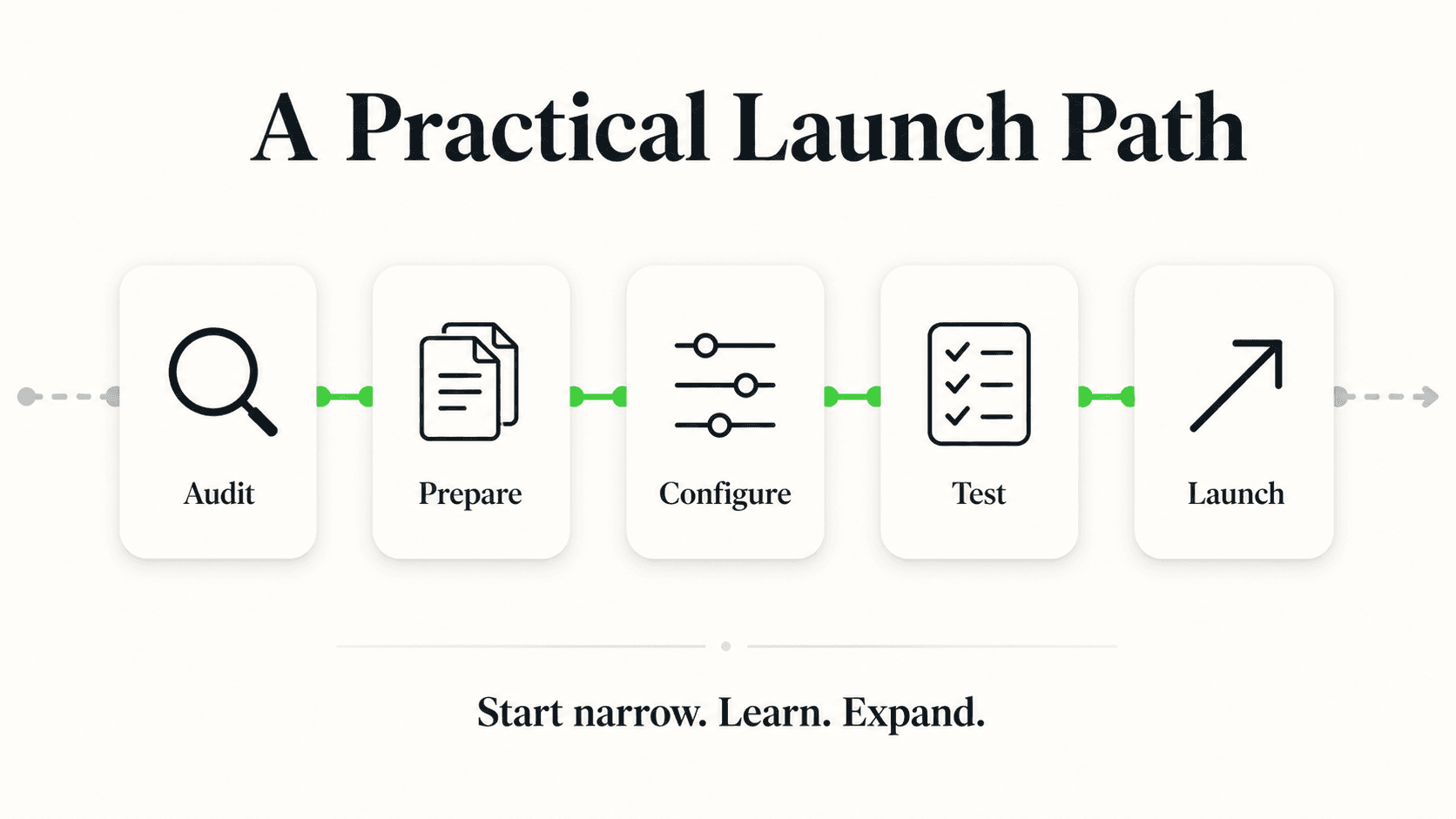
Usually the opposite, when it's set up well. A bot trained on your property's specific voice, room stories, and local knowledge delivers a level of attentiveness most boutique hotels can't sustain around the clock with human staff alone. Catching a guest's anniversary before check-in, recognizing a returning guest, giving neighborhood tips that reflect real opinions instead of generic search results — all of that can push the personal experience above what a lean team manages manually. See how hotels capture after-hours inquiries for more on this dynamic.
How does the chatbot handle requests it cannot answer?
When it hits something outside the knowledge base, it says so honestly — either asks a clarifying question or routes the inquiry to your team with full context. That's a far better outcome than a guest submitting a form at 11 PM and hearing nothing until morning. Even "Great question — let me have our team follow up with you first thing tomorrow," paired with a captured contact detail, beats silence by a wide margin.
How much does an AI chatbot for a boutique hotel cost?
Hyperleap AI starts at $40/month on the Plus plan, billed monthly. Most boutique hotels land on Plus or Pro ($100/month) depending on channel count and how many chatbots they need. All plans include a 7-day free trial; a credit card is required to activate, and there's no free plan. See the pricing page for the full breakdown.
Can the chatbot promote direct bookings without being pushy?
Yes, with the right configuration. The bot is built to inform, not pressure — it brings up the direct-booking advantage when it's actually relevant: pricing questions, mentions of finding the property on Booking.com, cancellation questions. The tone stays comparative, not salesy: here's what you get booking direct that the OTA doesn't offer. Most guests are glad to know the option exists.
What channels do boutique hotel guests use to make inquiries?
It varies by demographic and source market. Travelers under 35 tend to reach out via Instagram DM or website chat. International guests from Asia and the Middle East lean heavily WhatsApp. North American and European leisure travelers mix website forms, Facebook Messenger, and email. Covering all four channels — website chat, WhatsApp, Instagram DM, Facebook Messenger — means you're not missing inquiries based on which app someone happens to prefer. See multi-channel AI chatbot strategy for more.
How do we keep the neighbourhood guide current as local businesses open and close?
You update it through the Hyperleap AI platform directly — a restaurant closes, a new coffee shop opens nearby, you edit the neighborhood section in a few minutes. Most operators refresh it seasonally, which keeps recommendations useful and current. It's also a chance to differentiate: your bot's picks reflect your team's actual taste, not an algorithm's.
Can we see the full conversation history between guests and the chatbot?
Yes — every conversation is logged in the Hyperleap AI platform, searchable by guest, date, and channel. Your team can see exactly what guests asked, how the bot answered, and where conversations got escalated. That visibility is useful for tightening up the knowledge base, checking lead quality, and following up on high-value inquiries that didn't convert right away.
Give Your Boutique Hotel a 24/7 Front Desk
Hyperleap AI delivers personalized, on-brand responses across your website, WhatsApp, Instagram, and Facebook—capturing every booking opportunity your human team would otherwise miss after hours.
Start Your Free TrialPut this into practice
Related Articles
AI Chatbot for Luxury Hotels: Service at Scale
Luxury city hotels use AI chatbots to deliver personalized concierge experiences at scale, handle VIP inquiries, and maintain white-glove service 24/7.

AI Chatbot for Golf Resorts: Tee Time Guide
Golf resorts use AI chatbots to handle tee time inquiries, membership questions, and high-net-worth guest service without response delays.

AI Chatbot for Serviced Apartments (2026 Guide)
Serviced apartments use AI chatbots to handle extended-stay inquiries, corporate account questions, and self-check-in coordination 24/7.

AI Chatbot for Honeymoon Resorts (2026 Guide)
Honeymoon resorts use AI chatbots to respond to romantic inquiries 24/7, coordinate special requests, and capture couples before they book elsewhere.