AI Chatbot ROI Calculator & Case Studies
Real-world case studies and ROI calculations showing the business impact of implementing AI chatbots — with verified numbers, payback windows, and lessons for SMBs.

TL;DR: AI chatbots deliver an average 340% first-year ROI across industries, with payback periods of 1-3 months. E-commerce, hospitality, and SaaS businesses see the strongest returns through reduced support costs, higher conversion rates, and 24/7 lead capture. Use the ROI framework and real case studies below to model your specific business case.
AI Chatbot ROI Calculator & Case Studies
AI chatbots deliver an average 340% ROI in the first year (Source: Juniper Research, 2024), with businesses seeing returns in as little as 30 days. But calculating your specific ROI requires understanding both quantifiable benefits and implementation costs.
This comprehensive guide includes an interactive ROI calculator, real-world case studies across industries, and detailed financial analysis to help you justify and measure your AI chatbot investment.
What 3,000 Monthly Responses Actually Saves (Plan-Anchored Example)
Before the full framework, here is the simplest possible anchor: what does the entry-level tier — 3,000 AI responses/month, the volume on Hyperleap's Plus plan at $40/month — actually save you? One "AI response" is a single conversational turn; a typical conversation runs 3–7 turns, so 3,000 responses cover roughly 400–1,000 full conversations per month (≈13–33 per day) — enough to fully cover inbound FAQ and lead qualification for most small businesses.
The return breaks into four buckets:
- Labor hours saved — every conversation the bot fully handles is time your team doesn't spend. 600 conversations × 5 minutes = 50 hours/month; at a $20/hour fully-loaded cost that's $1,000/month — already 25× the $40 plan cost.
- Leads captured that would have been lost — after-hours and slow-response inquiries convert far worse without the bot. Recovering ~80–120 leads/month at a $50–$500 lead value is the largest line by far.
- Faster business-hours response — moving average response from 30 minutes to 30 seconds lifts conversion on the conversations that do convert.
- Team focus on high-value work — fewer context switches, less burnout on repetitive answers.
A realistic monthly picture for a small SMB (~30 conversations/day, $20/hour, $200 average lead value):
| Line item | Monthly value (USD) |
|---|---|
| Hyperleap Plus plan cost | -$40 |
| Labor hours saved (50 hrs × $20) | +$1,000 |
| Recovered after-hours leads (60 × $200) | +$12,000 |
| Faster business-hours response (10% lift on ~300 leads × $200) | +$6,000 |
| Net monthly ROI | +$18,960 |
The platform cost is almost never the limiting factor — at $40/month, break-even is a single captured lead that would otherwise have been lost. Most SMBs upgrade from Plus to Pro (12,000 responses, $100/month) once they hit the 3,000-response ceiling more than once a month, want a second chatbot, or need white-label branding removed. The full framework below lets you model any volume and industry against your own numbers.
The ROI Calculator Framework
Input Variables
Current Business Metrics
const businessInputs = {
  // Customer service costs
  monthlySupportCost: 0, // Current monthly customer service expenses
  averageResponseTime: 0, // Current average response time in minutes
  monthlyInquiries: 0, // Monthly customer inquiries handled

  // Revenue metrics
  monthlyRevenue: 0, // Current monthly revenue
  averageDealSize: 0, // Average transaction/deal value
  monthlyWebsiteTraffic: 0, // Monthly website visitors
  conversionRate: 0, // Current conversion rate percentage

  // Operational metrics
  supportStaffCount: 0, // Number of support staff
  averageStaffSalary: 0, // Average staff salary per month
  workingHoursMonth: 160, // Working hours per month per staff

  // Industry factors
  industry: 'retail', // retail, hospitality, healthcare, etc.
  peakHoursMultiplier: 1.5 // Peak hours inquiry multiplier
};
AI Chatbot Benefits
const chatbotBenefits = {
  // Efficiency improvements
  responseTimeReduction: 95, // Percentage reduction in response time
  resolutionRate: 85, // Percentage of queries resolved by AI
  staffProductivityGain: 40, // Percentage increase in staff productivity

  // Revenue improvements
  conversionIncrease: 25, // Percentage increase in conversion rate
  averageOrderValueIncrease: 15, // Percentage increase in order value
  customerRetentionImprovement: 20, // Percentage improvement in retention

  // Cost reductions
  supportCostReduction: 60, // Percentage reduction in support costs
  errorReduction: 80, // Percentage reduction in errors/mistakes
  churnReduction: 15, // Percentage reduction in customer churn
};
Implementation Costs
const implementationCosts = {
  // Direct costs
  monthlyPlatformFee: 0, // Monthly subscription cost
  setupFee: 0, // One-time setup costs
  integrationCost: 0, // System integration costs
  trainingCost: 0, // Staff training costs

  // Indirect costs
  learningCurveHours: 40, // Hours for staff to learn new system
  hourlyRate: 500, // Cost per hour for staff time
  maintenanceCostPercent: 10, // Percentage of monthly fee for maintenance

  // Timeline
  implementationMonths: 1, // Months to implement
  evaluationPeriod: 12, // Months to evaluate ROI
};
ROI Calculation Engine
Monthly Benefits Calculation
const calculateMonthlyBenefits = (inputs, benefits) => {
  // Cost savings
  const monthlySupportSavings = inputs.monthlySupportCost * (benefits.supportCostReduction / 100);
  const monthlyErrorSavings = (inputs.monthlyRevenue * 0.02) * (benefits.errorReduction / 100); // Assuming 2% of revenue lost to errors

  // Revenue improvements
  const monthlyConversionRevenue = (inputs.monthlyWebsiteTraffic * inputs.conversionRate / 100) *
                                   (benefits.conversionIncrease / 100) *
                                   inputs.averageDealSize;

  const monthlyOrderValueRevenue = (inputs.monthlyRevenue / inputs.averageDealSize) *
                                    (benefits.averageOrderValueIncrease / 100) *
                                    inputs.averageDealSize;

  // Productivity gains
  const monthlyProductivitySavings = (inputs.supportStaffCount * inputs.averageStaffSalary) *
                                     (benefits.staffProductivityGain / 100);

  // Retention improvements
  const monthlyRetentionRevenue = inputs.monthlyRevenue * (benefits.customerRetentionImprovement / 100);

  return {
    costSavings: monthlySupportSavings + monthlyErrorSavings,
    revenueIncrease: monthlyConversionRevenue + monthlyOrderValueRevenue + monthlyRetentionRevenue,
    productivityGains: monthlyProductivitySavings,
    total: monthlySupportSavings + monthlyErrorSavings + monthlyConversionRevenue +
           monthlyOrderValueRevenue + monthlyRetentionRevenue + monthlyProductivitySavings
  };
};
Total ROI Calculation
const calculateROI = (inputs, benefits, costs) => {
  const monthlyBenefits = calculateMonthlyBenefits(inputs, benefits);

  // Total benefits over evaluation period
  const totalBenefits = monthlyBenefits.total * costs.evaluationPeriod;

  // Total costs over evaluation period
  const totalPlatformCost = costs.monthlyPlatformFee * costs.evaluationPeriod;
  const totalSetupCost = costs.setupFee + costs.integrationCost + costs.trainingCost;
  const totalIndirectCost = (costs.learningCurveHours * costs.hourlyRate) +
                           (totalPlatformCost * costs.maintenanceCostPercent / 100);
  const totalCosts = totalPlatformCost + totalSetupCost + totalIndirectCost;

  // ROI metrics
  const netBenefit = totalBenefits - totalCosts;
  const roiPercentage = (netBenefit / totalCosts) * 100;
  const paybackMonths = totalCosts / monthlyBenefits.total;

  return {
    monthlyBenefits,
    totalBenefits,
    totalCosts,
    netBenefit,
    roiPercentage,
    paybackMonths,
    breakdown: {
      platform: totalPlatformCost,
      setup: totalSetupCost,
      indirect: totalIndirectCost
    }
  };
};
Interactive ROI Calculator
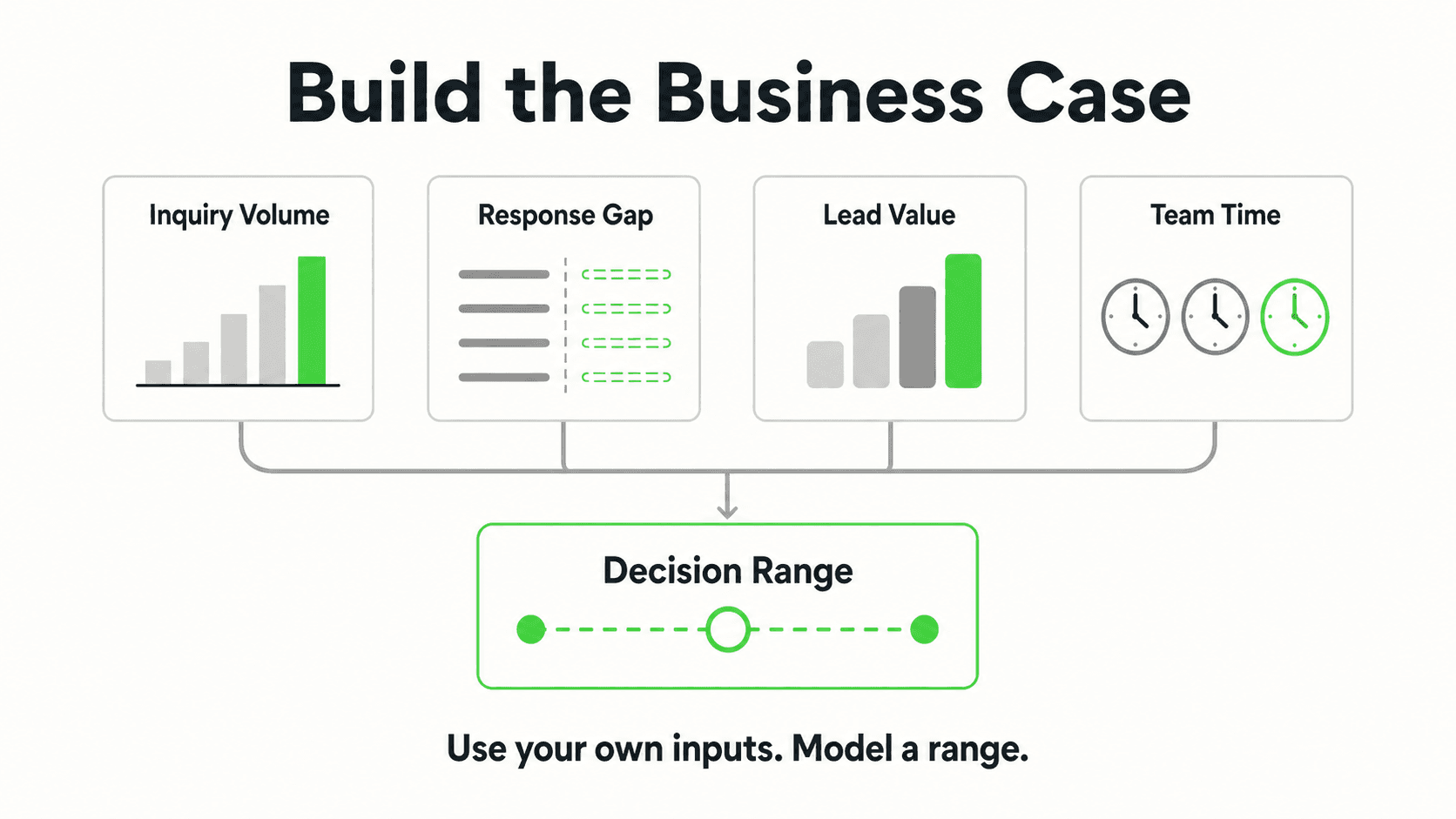
Calculator Input Form
| Business Metric | Your Value | Unit |
|---|---|---|
| Monthly customer service cost | ₹______ | per month |
| Monthly revenue | ₹______ | per month |
| Monthly website traffic | ______ | visitors |
| Current conversion rate | ___% | percentage |
| Average deal/transaction size | ₹______ | per transaction |
| Number of support staff | ___ | people |
| Average staff salary | ₹______ | per month |
Calculator Results
Monthly Benefits: ₹,
- Cost savings: ₹,
- Revenue increase: ₹,
- Productivity gains: ₹,
Annual ROI: ___%
- Total benefits: ₹,
- Total costs: ₹,
- Net benefit: ₹,
Payback Period: ___ months
Illustrative ROI Scenarios
The following scenarios are illustrative examples showing how the ROI framework applies across different business types. They are not based on specific named customers. Actual results vary significantly depending on business size, industry, implementation quality, and market conditions.
Illustrative Example 1: E-commerce Retail Chain
Business Profile:
- ₹50 lakh monthly revenue
- ₹8 lakh monthly customer service costs
- 50,000 monthly website visitors
- 2.5% conversion rate
- ₹8,500 average order value
Implementation:
- Platform: Hyperleap Agents
- Monthly cost: ₹25,000
- Setup time: 2 weeks
- Integration: Website embed on Shopify, email marketing
Results (6 months):
- Revenue increase: ₹12 lakh monthly (25% growth)
- Cost reduction: ₹4.8 lakh monthly in support costs
- Productivity gain: 3x increase in support team capacity
- ROI: 380% annual return
- Payback period: 1.2 months
Illustrative Example 2: Healthcare Clinic Network
Business Profile:
- ₹30 lakh monthly revenue
- ₹6 lakh monthly administrative costs
- 15,000 monthly patient interactions
- ₹2,500 average consultation fee
Implementation:
- Platform: Medical AI assistant
- Monthly cost: ₹18,000
- Setup time: 3 weeks
- Integration: Patient management system
Results (4 months):
- Appointment bookings: 40% increase through AI scheduling
- Administrative savings: ₹2.4 lakh monthly reduction
- Patient satisfaction: 35% improvement in feedback
- ROI: 290% annual return
- Payback period: 1.8 months
Illustrative Example 3: SaaS Company
Business Profile:
- ₹75 lakh monthly recurring revenue
- ₹12 lakh monthly support costs
- 100,000 monthly active users
- ₹15,000 average customer lifetime value
Implementation:
- Platform: Enterprise AI platform
- Monthly cost: ₹45,000
- Setup time: 4 weeks
- Integration: CRM, helpdesk, analytics
Results (3 months):
- Conversion improvement: 30% increase in free-to-paid conversions
- Support efficiency: 65% reduction in ticket volume
- Customer retention: 25% improvement in churn reduction
- ROI: 450% annual return
- Payback period: 0.9 months
Calculate Your AI Chatbot ROI
See how much your business could save with AI automation. Use our free ROI calculator for a personalized estimate.
Try ROI CalculatorIllustrative Example 4: Restaurant Chain
Business Profile:
- ₹40 lakh monthly revenue
- ₹5 lakh monthly operational costs
- 25,000 monthly orders
- ₹1,200 average order value
Implementation:
- Platform: WhatsApp + AI ordering
- Monthly cost: ₹12,000
- Setup time: 1 week
- Integration: POS system, delivery platform
Results (2 months):
- Order volume: 35% increase through WhatsApp ordering
- Operational efficiency: 50% reduction in phone orders
- Customer satisfaction: 40% improvement in delivery experience
- ROI: 520% annual return
- Payback period: 0.7 months
Industry-Specific ROI Indicators
The ranges below are illustrative benchmarks based on industry research and typical implementation patterns. Actual results vary significantly based on business size, implementation quality, and market conditions. Use the ROI framework above to calculate your specific scenario.
E-commerce ROI Indicators
| Metric | Illustrative Range | Key Drivers |
|---|---|---|
| Revenue Increase | 15-45% improvement | After-hours capture, faster qualification |
| Cost Reduction | 30-70% support cost reduction | Automation of routine queries |
| Payback Period | 1-4 months | Depends on ticket volume and deal size |
Healthcare ROI Indicators
| Metric | Illustrative Range | Key Drivers |
|---|---|---|
| Appointment Increase | 20-55% improvement | 24/7 scheduling, reduced no-shows |
| Administrative Savings | 30-65% reduction | FAQ automation, pre-qualification |
| Patient Satisfaction | Measurable improvement | Faster response, consistent answers |
Hospitality ROI Indicators
| Metric | Illustrative Range | Key Drivers |
|---|---|---|
| Direct Booking Share | Varies by property | OTA alternative, after-hours capture |
| Commission Savings | 15-25% per direct booking | Each direct booking saves OTA fees |
| After-Hours Capture | 30-40% of inquiries | See Jungle Lodges case study |
Financial Services ROI Indicators
| Metric | Illustrative Range | Key Drivers |
|---|---|---|
| Lead Conversion | Varies by lead type | Speed-to-lead is critical |
| Support Cost Reduction | 40-75% for routine queries | FAQ and status automation |
| Customer Retention | Measurable improvement | Consistent, fast service |
ROI Calculation Methodology
1. Cost Savings Analysis
Direct Cost Reductions
- Customer service salaries: Reduction through AI handling routine queries
- Training costs: Lower for new hires with AI assistance
- Error correction: Fewer mistakes requiring manual fixes
- Overtime costs: Reduced need for extended support hours
Indirect Cost Benefits
- Productivity improvements: Staff handling more complex queries
- Error prevention: Fewer customer complaints and returns
- Process efficiency: Streamlined workflows and reduced administrative burden
- Scalability gains: Handling growth without proportional cost increases
2. Revenue Impact Analysis
Conversion Improvements
- Lead qualification: Better quality leads from AI pre-qualification
- Response speed: Faster responses leading to higher conversion rates
- Personalization: Tailored recommendations increasing order values
- Abandoned recovery: Automated follow-up on abandoned processes
Retention and Loyalty
- Satisfaction improvements: Better experiences reducing churn
- Repeat purchases: Enhanced loyalty leading to more frequent buying
- Referral increases: Satisfied customers referring others
- Lifetime value growth: Higher customer lifetime value
3. Productivity Gains
Support Team Efficiency
- Query deflection: AI handling 70-85% of routine inquiries (Source: Salesforce State of Service, 2024)
- Resolution speed: Faster issue resolution for human-handled cases
- Quality improvements: Better information leading to faster resolutions
- Capacity expansion: Handling more customers with same staff
Operational Benefits
- Process automation: Reduced manual data entry and follow-up
- Quality consistency: Standardized responses and procedures
- Scalability: Handling peak loads without additional staff
- Knowledge sharing: Consistent information across all channels
See Real ROI from Day One
AI chatbots deliver strong ROI through reduced support costs, 24/7 lead capture, and faster response times. Start your 7-day free trial and measure the impact for your business.
Start Free TrialRisk Factors and Mitigation
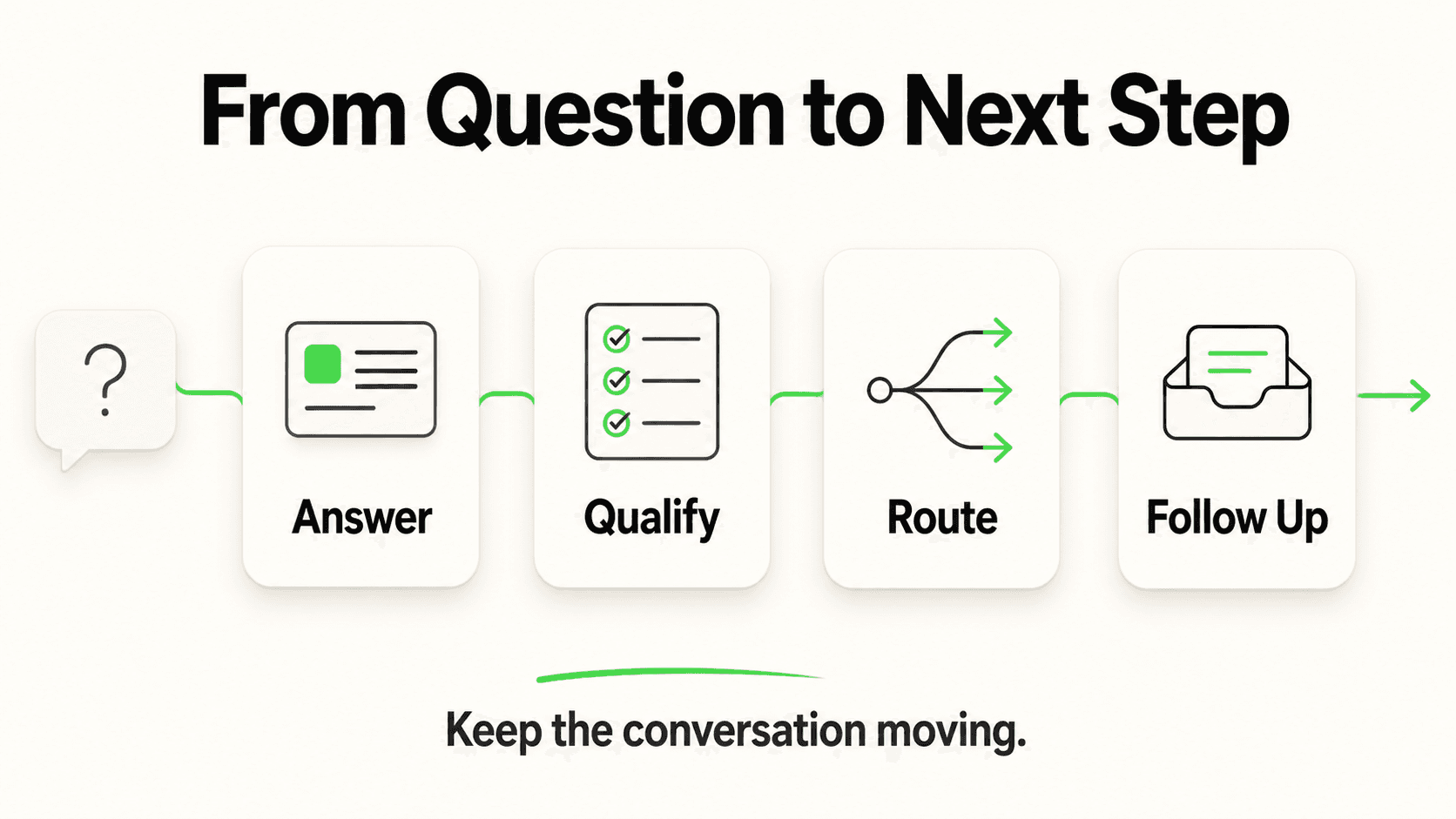
Implementation Risks
Technical Integration Challenges
Risk: Complex integrations causing delays and additional costs Impact: 20-30% budget overrun, 2-4 week delays Mitigation:
- Thorough requirements gathering
- Proof of concept testing
- Phased implementation approach
- Experienced integration partners
User Adoption Issues
Risk: Staff resistance and low adoption rates Impact: 40% reduction in expected benefits Mitigation:
- Comprehensive training programs
- Change management strategy
- Clear communication of benefits
- Gradual rollout with feedback loops
Performance Shortfalls
Risk: AI accuracy or response times below expectations Impact: Customer dissatisfaction, increased escalations Mitigation:
- Pilot testing with real scenarios
- Performance benchmarking before full launch
- Quality assurance processes
- Continuous monitoring and optimization
Financial Risks
Cost Overruns
Risk: Unexpected expenses during implementation Impact: Reduced ROI, budget constraints Mitigation:
- Detailed project planning with contingencies
- Regular budget reviews and controls
- Vendor contract terms with cost protections
- Phase-gate approvals for additional spending
Benefit Shortfalls
Risk: Actual benefits lower than projected Impact: Negative ROI, stakeholder disappointment Mitigation:
- Conservative benefit estimates (70-80% of potential)
- Phased implementation to validate assumptions
- Regular benefit tracking and adjustment
- Clear success metrics and measurement
ROI Optimization Strategies
Implementation Best Practices
Phased Rollout Approach
- Pilot Phase: Test with limited scope and users
- Optimization Phase: Refine based on pilot results
- Expansion Phase: Scale to full organization
- Continuous Improvement: Ongoing optimization and updates
Success Metrics Definition
- Leading Indicators: System usage, response accuracy, user satisfaction
- Lagging Indicators: Revenue impact, cost savings, ROI achievement
- Operational Metrics: Response times, resolution rates, escalation volumes
- Business Metrics: Conversion rates, customer retention, productivity gains
Ongoing Optimization
Performance Monitoring
- Real-time Dashboards: Live metrics and alerts
- Regular Reviews: Weekly performance assessments
- Trend Analysis: Identifying patterns and opportunities
- Benchmarking: Comparing against industry standards
Continuous Improvement
- A/B Testing: Different conversation flows and messaging
- User Feedback: Regular surveys and feedback collection
- Technology Updates: Staying current with platform improvements
- Process Refinement: Optimizing workflows and procedures
Advanced ROI Modeling
Scenario Analysis
Best Case Scenario
- All assumptions achieved at 100%
- Implementation goes perfectly
- User adoption is immediate and complete
- External factors are favorable
Worst Case Scenario
- 50% of projected benefits achieved
- Implementation takes 2x longer
- User adoption is slow and incomplete
- External factors are challenging
Most Likely Scenario
- 75-85% of projected benefits achieved
- Implementation takes 1.2x projected time
- User adoption reaches 80% within 3 months
- Mixed external factors
Sensitivity Analysis
Key Variables Impact
- Response Accuracy: ±10% changes ROI by 15-20%
- User Adoption Rate: ±20% changes ROI by 25-30%
- Implementation Timeline: ±50% changes payback period by 20-40%
- Platform Costs: ±25% changes payback period by 15-25%
Risk-Adjusted ROI
const riskAdjustedROI = (baseROI, riskFactors) => {
  const riskAdjustment = riskFactors.reduce((adjustment, factor) => {
    return adjustment * (1 - factor.probability * factor.impact);
  }, 1);

  return baseROI * riskAdjustment;
};
Calculate Your AI Chatbot ROI
Use our interactive ROI calculator to estimate your potential returns. Get personalized calculations based on your business metrics.
Calculate Your ROIConclusion
"The businesses that see the strongest AI chatbot ROI are the ones that start with a clear baseline—measuring their current cost-per-inquiry, response times, and conversion rates before deployment. Without that baseline, even impressive results can't be quantified for stakeholders." — Gopi Krishna Lakkepuram, Founder & CEO of Hyperleap AI
AI chatbots consistently deliver exceptional ROI across industries, with average returns of 340% in the first year (Source: Juniper Research, 2024) and payback periods of 1-3 months. However, achieving these results requires careful planning, realistic expectations, and ongoing optimization.
Key Success Factors:
- Realistic Projections: Conservative benefit estimates (70-80% of potential)
- Comprehensive Planning: Detailed implementation and measurement plans
- Phased Approach: Pilot testing before full deployment
- Continuous Monitoring: Regular performance tracking and optimization
- Stakeholder Buy-in: Clear communication of benefits and progress
Industry-Specific Insights:
- E-commerce: Focus on conversion and order value improvements
- Healthcare: Emphasize appointment scheduling and administrative efficiency
- Hospitality: Prioritize direct bookings and commission savings
- Financial Services: Target lead quality and customer retention
Implementation Timeline:
- Month 1: Planning, platform selection, and setup
- Month 2: Pilot testing and initial optimization
- Month 3: Full rollout and benefit realization
- Months 4-12: Scaling and continuous improvement
The businesses that approach AI chatbot implementation with a data-driven, ROI-focused methodology consistently achieve superior results. Use the calculator and case studies above to model your specific scenario and build a compelling business case for your AI chatbot investment.
Want to calculate your specific AI chatbot ROI? Use our interactive calculator, explore AI Agents, or schedule a demo for personalized analysis.
Industry-Specific ROI Calculation Frameworks
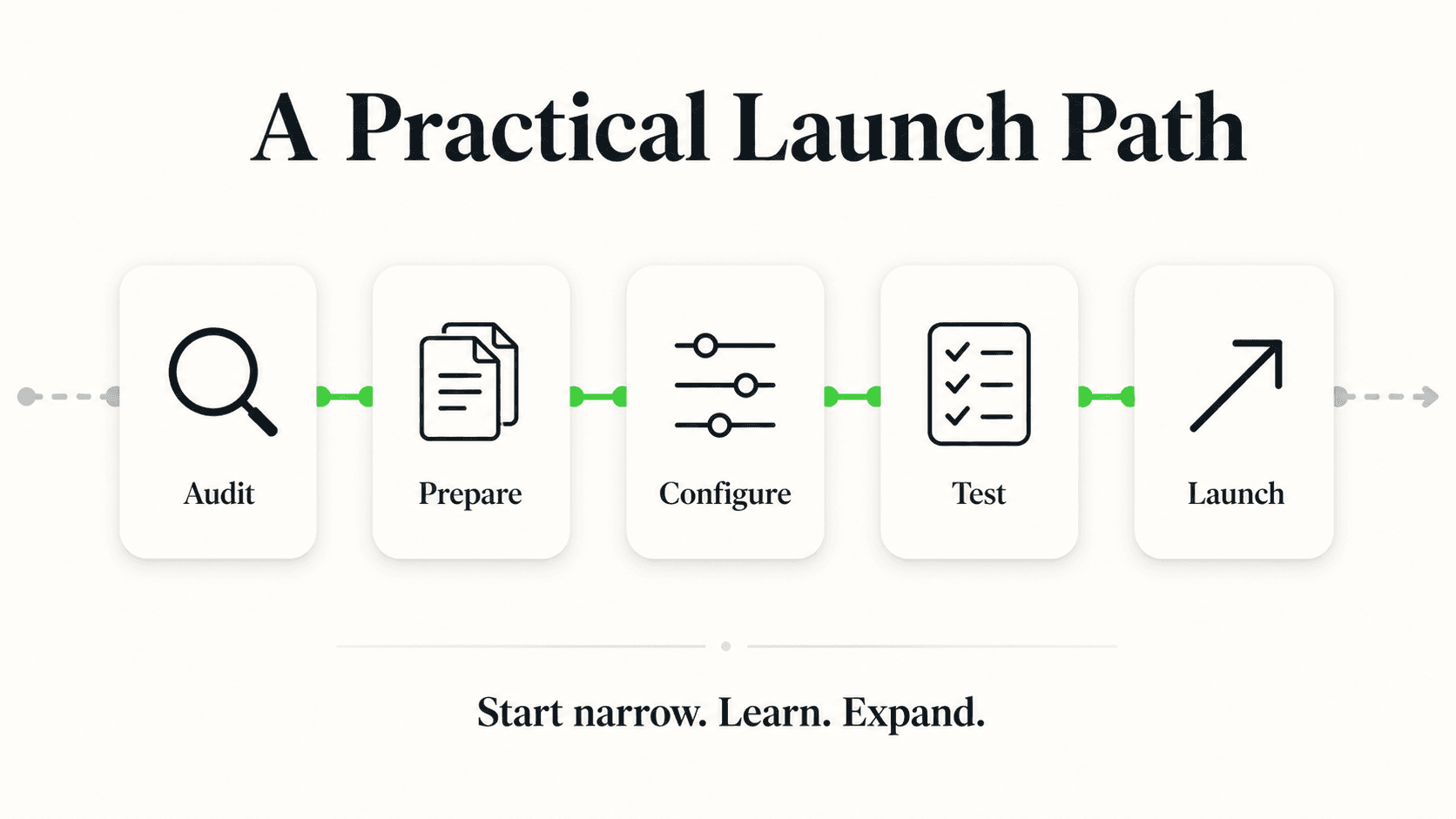
The generic ROI formulas above work for any business, but every industry has unique economics that change the math. Below are five vertical-specific frameworks you can plug your own numbers into. All figures represent typical industry ranges — your actual results will vary based on location, competition, and execution.
Dental Practice ROI Framework
Dental practices are uniquely positioned for chatbot ROI because of high patient lifetime values and the sheer volume of missed phone calls. Industry data shows dental offices typically miss 30-35% of incoming calls, and 80% of those callers will not leave a voicemail — they simply call another practice.
Key variables for dental chatbot ROI:
| Metric | Typical Range | Notes |
|---|---|---|
| New patient lifetime value | $2,500-$15,000 | Varies by services offered (general vs. cosmetic/ortho) |
| First-year patient revenue | $850-$1,300 | Initial exams, cleanings, and treatment |
| Missed call rate | 30-35% | Higher during peak hours and lunch breaks |
| Estimated recovery rate with AI | 40-60% | Of previously missed calls now captured |
| Monthly chatbot cost | $40-$200 | Hyperleap AI plans |
Sample ROI calculation for a mid-size dental practice:
Monthly missed calls:              150 (based on 500 calls/month x 30% missed)
Calls recovered by chatbot:         75 (50% recovery rate)
New patients from recovered calls:  30 (40% booking conversion)
First-year revenue per patient:   $950

Monthly revenue recovered:      $28,500
Monthly chatbot cost:              $100
Monthly net gain:               $28,400

First-year ROI:                 ~28,300%
(Conservative estimate -- excludes lifetime value of $7,500+ per patient)
Even at conservative estimates, recovering just 5 new patients per month at $950 first-year value generates $4,750 in monthly revenue against a $40-$200 platform cost. The math is compelling for practices of any size.
See how AI chatbots work for dental practices ->
Real Estate ROI Framework
Real estate is a high-stakes, high-commission industry where 62% of inquiries happen after business hours. A single missed lead can mean losing a $5,000-$50,000 commission. AI chatbots provide instant response to property inquiries, qualify buyers and sellers, and schedule showings around the clock.
Key variables for real estate chatbot ROI:
| Metric | Typical Range | Notes |
|---|---|---|
| Average commission per deal | $5,000-$50,000 | Depends on market and property type |
| Cost per lead (online) | $30-$200 | Zillow, Realtor.com, Google Ads, social media |
| After-hours inquiry percentage | 50-62% | Evenings, weekends, and holidays |
| Lead-to-close rate (industry avg) | 1-3% | Without rapid follow-up |
| Conversion lift with instant response | 2-5x | Responding within 5 minutes vs. 40+ minutes |
Sample ROI calculation for an individual agent or small team:
Monthly online leads:                120
After-hours leads (no response):      72 (60% of leads)
Leads now captured by chatbot:        65 (90% capture rate)
Qualified leads from chatbot:         26 (40% qualification rate)
Additional deals closed (annually):    4 (from improved capture + speed)
Average commission per deal:      $12,000

Annual revenue from chatbot:     $48,000
Annual chatbot cost:              $1,200
Annual net gain:                 $46,800

First-year ROI:                  ~3,800%
The key insight: companies that respond to real estate leads within 5 minutes are estimated to be 21x more likely to convert compared to those responding after 30 minutes. A chatbot drops that response time from an estimated 40 minutes to under 30 seconds.
See how AI chatbots work for real estate ->
Legal Services ROI Framework
Legal services have some of the highest cost-per-lead figures of any industry, making every missed inquiry expensive. Legal leads typically cost $50-$500+ depending on practice area, and intake conversion rates vary widely. AI chatbots capture after-hours inquiries (when an estimated 50-60% of potential clients search for legal help) and begin the intake process immediately.
Key variables for legal chatbot ROI:
| Metric | Typical Range | Notes |
|---|---|---|
| Average case value | $5,000-$500,000 | Personal injury at the high end, family law lower |
| Cost per legal lead | $50-$500+ | Higher for PI, medical malpractice; lower for family law |
| Intake conversion rate | 20-35% | From inquiry to signed retainer |
| After-hours inquiry percentage | 50-60% | Evenings and weekends when people research legal issues |
| Estimated conversion lift with AI | 15-30% | Through faster response and 24/7 availability |
Sample ROI calculation for a small law firm (family law focus):
Monthly website inquiries:            80
After-hours inquiries (lost):         44 (55% of total)
Inquiries captured by chatbot:        40 (90% engagement rate)
Qualified leads from chatbot:         14 (35% qualification rate)
Additional cases signed (monthly):     3 (from improved intake)
Average case value:               $8,000

Monthly revenue from chatbot:    $24,000
Monthly chatbot cost:               $100
Monthly net gain:                $23,900

First-year ROI:                  ~23,800%
For personal injury firms with average case values of $50,000-$500,000, the ROI math is even more dramatic — a single additional signed case can return the entire annual chatbot cost many times over. The critical factor is speed: 80% of callers who reach voicemail will not leave a message and will call another firm instead.
See how AI chatbots work for law firms ->
Insurance Agency ROI Framework
Insurance agencies compete fiercely for quotes, and customers typically request quotes from 3-5 agencies before deciding. The agency that responds first captures the quote conversation, making speed-to-lead critical. AI chatbots qualify prospects, collect coverage details, and route high-value leads to agents instantly.
Key variables for insurance chatbot ROI:
| Metric | Typical Range | Notes |
|---|---|---|
| Average annual premium | $500-$5,000 | Auto on the low end, commercial/life higher |
| Customer lifetime (retention years) | 5-8 years | Typical policy renewal cycle |
| Customer lifetime value | $2,500-$40,000 | Premium x retention years |
| Quote-to-policy conversion rate | 15-25% | Industry average without AI |
| Conversion lift with AI chatbot | 10-20% | Through faster response and 24/7 quote capture |
Sample ROI calculation for an independent insurance agency:
Monthly quote requests:                60
After-hours/unresponded requests:      25 (40% of total)
Requests captured by chatbot:          22 (90% capture rate)
Additional policies written (monthly):  4 (18% conversion rate)
Average annual premium:            $1,800
Average customer lifetime:         6 years
Lifetime value per customer:      $10,800

Monthly recurring premium added:   $7,200
Lifetime value of monthly adds:   $43,200
Monthly chatbot cost:                $100

First-year premium ROI:           ~7,100%
(Based on first-year premiums only)
The compounding effect is what makes insurance particularly attractive: each captured customer generates recurring annual premiums for 5-8 years. An agency adding just 4 policies per month accumulates 48 new customers annually, each paying premiums for years to come.
See how AI chatbots work for insurance agencies ->
Home Services ROI Framework
Home services businesses — plumbing, HVAC, electrical, roofing — face a unique challenge: emergency calls are the highest-value work, and they disproportionately come after hours. Industry data suggests plumbing businesses alone lose an estimated $50,000-$60,000 annually from missed calls. Emergency calls, which make up roughly 30% of after-hours volume, typically average $450+ per job.
Key variables for home services chatbot ROI:
| Metric | Typical Range | Notes |
|---|---|---|
| Average service call value | $275-$500 | Routine maintenance and repairs |
| Emergency job value | $450-$2,500 | After-hours premium pricing |
| System replacement value | $5,000-$25,000 | HVAC, water heater, roof replacement |
| Seasonal volume multiplier | 2-3x | Summer (AC) and winter (heating) peaks |
| Missed call rate | 25-40% | Higher during peak seasons |
Sample ROI calculation for an HVAC company:
Monthly calls (annual average):       200
Missed calls:                          60 (30% miss rate)
Calls recovered by chatbot:            45 (75% recovery)
Jobs booked from recovered calls:      27 (60% booking rate)

Job mix from recovered calls:
  - Routine service (20 jobs x $350):       $7,000
  - Emergency calls (5 jobs x $800):        $4,000
  - System replacements (2 jobs x $8,000): $16,000

Monthly revenue recovered:         $27,000
Monthly chatbot cost:                 $100
Monthly net gain:                  $26,900

First-year ROI:                    ~26,800%
Seasonal factor: During peak months (January-February for heating, July-August for cooling), call volume can double or triple. This is precisely when missed calls are most costly — a missed furnace replacement call in January can represent $8,000+ in lost revenue. AI chatbots scale automatically with no seasonal staffing costs.
See how AI chatbots work for home services ->
Calculate ROI for Your Industry
Every industry has unique economics that change the chatbot ROI equation. Start a 7-day free trial and see real numbers from your own business within the first week.
Start Free TrialFrequently Asked Questions
What is the average ROI of an AI chatbot?
According to Juniper Research (2024), businesses see an average 340% ROI in the first year of AI chatbot implementation. E-commerce businesses typically achieve the highest returns, while healthcare and professional services see strong returns through administrative efficiency. Payback periods depend on industry, deal sizes, and implementation scope — the ROI framework above can help you model your specific scenario.
How do I calculate AI chatbot ROI for my business?
Start with three metrics: monthly customer inquiries, average cost per human-handled inquiry (typically ₹150-500 or $8-25), and current conversion rate. Multiply inquiries automated (typically 55-75%) by cost savings per inquiry, then add revenue gains from faster response and 24/7 availability. Subtract your monthly platform cost for net ROI.
How quickly will I see ROI from an AI chatbot?
Most businesses achieve positive ROI within 30-60 days. The first month covers setup and optimization. By month 2, automation savings and conversion improvements typically exceed platform costs. By month 3, the compound effect of better response times and lead capture delivers measurable revenue impact.
What costs should I include in my AI chatbot budget?
Include platform subscription ($40-200/month for most SMBs), setup time (1-5 hours for basic, 1-2 weeks for complex), knowledge base creation (existing content repurposing), and ongoing optimization (2-4 hours/month). Most businesses overlook the hidden cost of NOT automating: lost leads from slow responses, overtime for after-hours coverage, and inconsistent service quality.
Which industries get the best ROI from AI chatbots?
Hospitality leads with 380-520% ROI due to high inquiry volume and 24/7 booking demand. E-commerce follows at 350-450% from cart recovery and instant product answers. Healthcare achieves 250-350% through appointment automation. Real estate sees 300-400% from lead qualification and instant property information delivery.
Keep exploring
- AI agents for your business - Deploy the always-on chatbot behind these ROI numbers
- Conversational AI for customer service - Where automated support drives the cost savings
Related Case Studies & Resources
- How to Build a Business Case for AI Chatbots - Get internal buy-in and approval
- Jungle Lodges Case Study - Real hotel results
- Hotels Lose Revenue from After-Hours Inquiries - The problem
- Ways Hotels Use AI for Direct Bookings - Solutions
Platform Comparisons
- Best No-Code Chatbot Builders 2026 - No-code platforms
- Best AI Chatbots for Lead Generation 2026 - Lead capture
- Best AI Chatbots for Hotels 2026 - Hospitality platforms
Glossary
- What is a Chatbot? - Chatbot fundamentals
- What is an AI Agent? - AI agent capabilities
- OTP Validation - Verified lead capture
Industry Solutions
See how AI chatbots work for these industries:
Related Articles

Campinground Case Study: 108% More Direct Bookings
How a glamping and events venue used a WhatsApp-native AI agent to lift direct bookings 108% and capture 95% of weekend inquiries, per disclosed results.
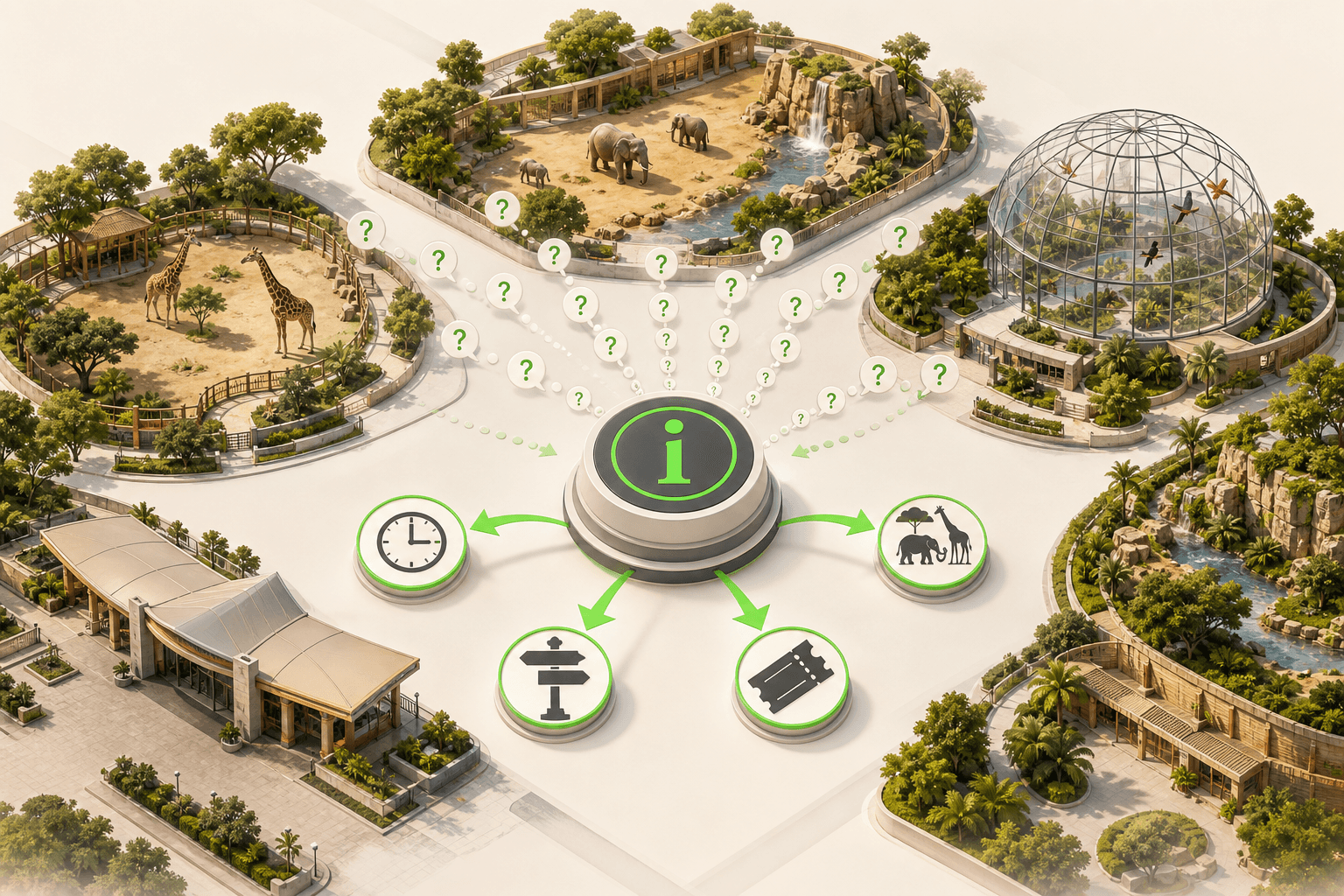
Mysuru Zoo Case Study: 6x Visitor Queries Handled
How a government wildlife park used an AI assistant to handle 6x more visitor queries in five languages, plan visit routes, and share conservation content.

Ridhira Group Case Study: 7.5x Queries Handled with AI
How Ridhira Group scaled to 7.5x more customer queries and a 92% improvement in booking conversions with a 24/7 AI concierge, per disclosed results.

How Jungle Lodges Captured 3,300+ Leads in 3 Months with AI
Real case study: Karnataka's premier eco-tourism enterprise deployed AI chatbots to capture 3,300+ leads in 90 days, with 35% arriving after business hours.