The State of AI Customer Service for Small Businesses 2026
50+ sourced statistics on AI chatbot adoption, response times, ROI, and customer preferences — the definitive 2026 data guide for small business owners and operators.

TL;DR: AI customer service has crossed the tipping point for small businesses. 68% of U.S. small businesses now use AI regularly, the global chatbot market has reached $9.3 billion, and companies implementing AI customer service see average cost-per-interaction reductions of 68%. This article compiles 50+ sourced statistics covering adoption rates, response times, ROI, channel preferences, and industry-specific data to give SMB owners the complete picture heading into 2026.
Putting this into practice? See conversational AI for customer service and chatbots for small business.
AI customer service is no longer an experiment reserved for Fortune 500 companies with dedicated innovation labs. It has become the front line of how small businesses compete, serve customers, and grow. The shift happened faster than most predicted. Three years ago, fewer than one in five small businesses had deployed any form of AI-powered customer service. Today, the majority have either implemented it or are actively planning to.
What changed? Three forces converged. First, the technology matured — large language models and retrieval-augmented generation (RAG) made chatbots dramatically more capable. Second, customer expectations accelerated — 90% of customers now rate an "immediate" response as important when they have a support question (Source: HubSpot, 2025). Third, the economics became irresistible — AI-powered interactions cost a fraction of human-handled ones, and the ROI timeline compressed from years to months.
This article is your definitive statistical reference. Every number is sourced. Every claim is traceable. Whether you are evaluating your first AI customer service tool or benchmarking your existing deployment, these 50+ statistics paint the complete picture of where the industry stands and where it is heading.
Key Findings at a Glance
68%
Of U.S. SMBs Use AI Regularly
$9.3B
Global Chatbot Market (2025)
68%
Cost-Per-Interaction Reduction
54%
Issues Resolved via Self-Service
41%
Prefer Live Chat Over Phone
89%
Customer Retention with Omnichannel
Top findings from the data:
- AI adoption among small businesses doubled from roughly 34% in 2023 to 68% in 2025, with 96% of U.S. small business owners planning to adopt emerging technologies soon (Source: Digital Applied, 2025; NFIB, 2025; industry estimate, not independently verified).
- The chatbot market grew to $9.3 billion in 2025, on track to exceed $32 billion by 2031 at a 23.15% CAGR (Source: Mordor Intelligence, 2025).
- Companies see $3.50 return for every $1 invested in AI customer service, with leading organizations achieving up to 8x ROI (Source: Freshworks, 2025).
- Self-service bots resolve 54% of customer issues and up to 96% for simple queries like FAQs and order status (Source: ebi.ai, 2025; industry estimate, not independently verified).
- Live chat is now the preferred support channel for 41% of consumers, ahead of phone (32%) and email (23%) (Source: LiveChat, 2025; industry estimate, not independently verified).
- Businesses with omnichannel strategies retain 89% of customers, compared to 33% for those with weak engagement (Source: Plivo, 2025).
- 91% of SMBs using AI report a boost in revenue, and growing businesses are nearly twice as likely to invest in AI compared to those in decline (Source: Salesforce, 2025).
- Gartner predicts agentic AI will resolve 80% of common customer service issues without human intervention by 2029, with a projected 30% reduction in operational costs (Source: Gartner, March 2025).
AI Chatbot Adoption Statistics
The adoption curve for AI chatbots has shifted from early-adopter territory into the mainstream, particularly among small and mid-sized businesses. The data tells a clear story: businesses that have not yet adopted AI customer service are now in the minority.
Overall Adoption Rates
1. 68% of U.S. small businesses now use AI regularly, up sharply from 48% in mid-2024 (Source: Digital Applied, 2025; industry estimate, not independently verified). However, 77% have no formal AI policy, suggesting that adoption is outpacing strategy.
2. Usage of generative AI among small firms jumped from 40% in 2024 to over 58% in 2025, with chatbots and content assistants leading the way (Source: U.S. Chamber of Commerce small business technology report, 2025).
3. 96% of U.S. small business owners plan to adopt emerging technologies soon, signaling that the remaining holdouts see adoption as inevitable (Source: NFIB, 2025).
4. 74% of businesses now use chatbots for customer service, up from 58% in 2024 — a 16 percentage-point jump in a single year (Source: Fullview, 2025; industry estimate, not independently verified).
Adoption by Business Size
5. Enterprise adoption leads at 85%, but mid-market (72%) and SMB (58%) adoption rates are closing the gap fast. Even micro-businesses with fewer than 10 employees have reached 35% adoption (Source: Fullview, 2025; industry estimate, not independently verified).
6. 80% of sales and marketing teams have integrated AI chatbots into their workflows, making customer-facing AI the most common enterprise AI application (Source: Salesforce, 2025).
Regional and Market Trends
7. North America commands 38.72% of the global chatbot market, while Asia-Pacific is the fastest-growing region at 24.71% CAGR through 2031 (Source: Mordor Intelligence, 2025).
8. The global chatbot market reached $9.3 billion in 2025 and is projected to hit $11.45 billion in 2026, with forecasts pointing to $32.45 billion by 2031 (Source: Mordor Intelligence, 2025).
9. Over 987 million people worldwide are using AI chatbots, and 80% report positive experiences (Source: DemandSage, 2025).
Adoption Drivers
10. 62% of consumers prefer interacting with a chatbot over waiting for a human agent, eliminating one of the longest-standing objections to AI adoption — that customers will not accept it (Source: DemandSage, 2025).
11. 91% of customer service leaders report executive pressure to implement AI, according to a Gartner survey of 321 service and support leaders conducted in October 2025; their top priorities for 2026 were customer satisfaction, operational efficiency, and self-service success (Source: Gartner, February 2026).
12. 64% of small businesses that have not yet adopted AI plan to do so by 2026, which would push overall SMB adoption well above 80% (Source: Digital Applied, 2025; industry estimate, not independently verified).
What This Means for SMBs
If you have not adopted AI customer service yet, you are now in the minority. But the data also shows that most small businesses are implementing without a formal strategy. The opportunity is not just to adopt — it is to adopt well. Businesses that pair AI tools with clear policies and training are seeing significantly better results.
Customer Service Response Time Statistics
Response time is one of the most measurable — and most consequential — factors in customer service. The data consistently shows that faster responses drive higher conversions, greater satisfaction, and stronger retention. AI is making sub-minute response times achievable for businesses of every size.
Customer Expectations
13. 90% of customers rate an "immediate" response as important when they have a customer service question (Source: HubSpot, 2025).
14. Nearly 60% of customers define "immediate" as 10 minutes or less, setting a benchmark that is extremely difficult to meet without automation (Source: HubSpot, 2025).
15. 65% of customers expect faster response times than they did five years ago, a trend that shows no sign of reversing (Source: Freshworks, 2025).
Response Time and Conversion Impact
16. Brands responding to live chat inquiries within 1 minute convert 15% higher than those responding within 5 minutes — and the gap widens further beyond that window (Source: Agents Republic, 2025; industry estimate, not independently verified).
17. Every extra hour a customer waits can reduce conversion rates by up to 80%, demonstrating that speed is not just a service metric — it is a revenue metric (Source: Agents Republic, 2025; industry estimate, not independently verified).
18. AI chatbots deliver first responses in an average of 3 seconds, compared to 45 seconds for human live chat, 8 minutes for phone (on hold), and 12 hours for email (Source: Freshworks, 2025).
If you are losing leads to slow response times, you are not alone. See our deep dive on how slow response times cost businesses revenue for specific strategies.
After-Hours Impact
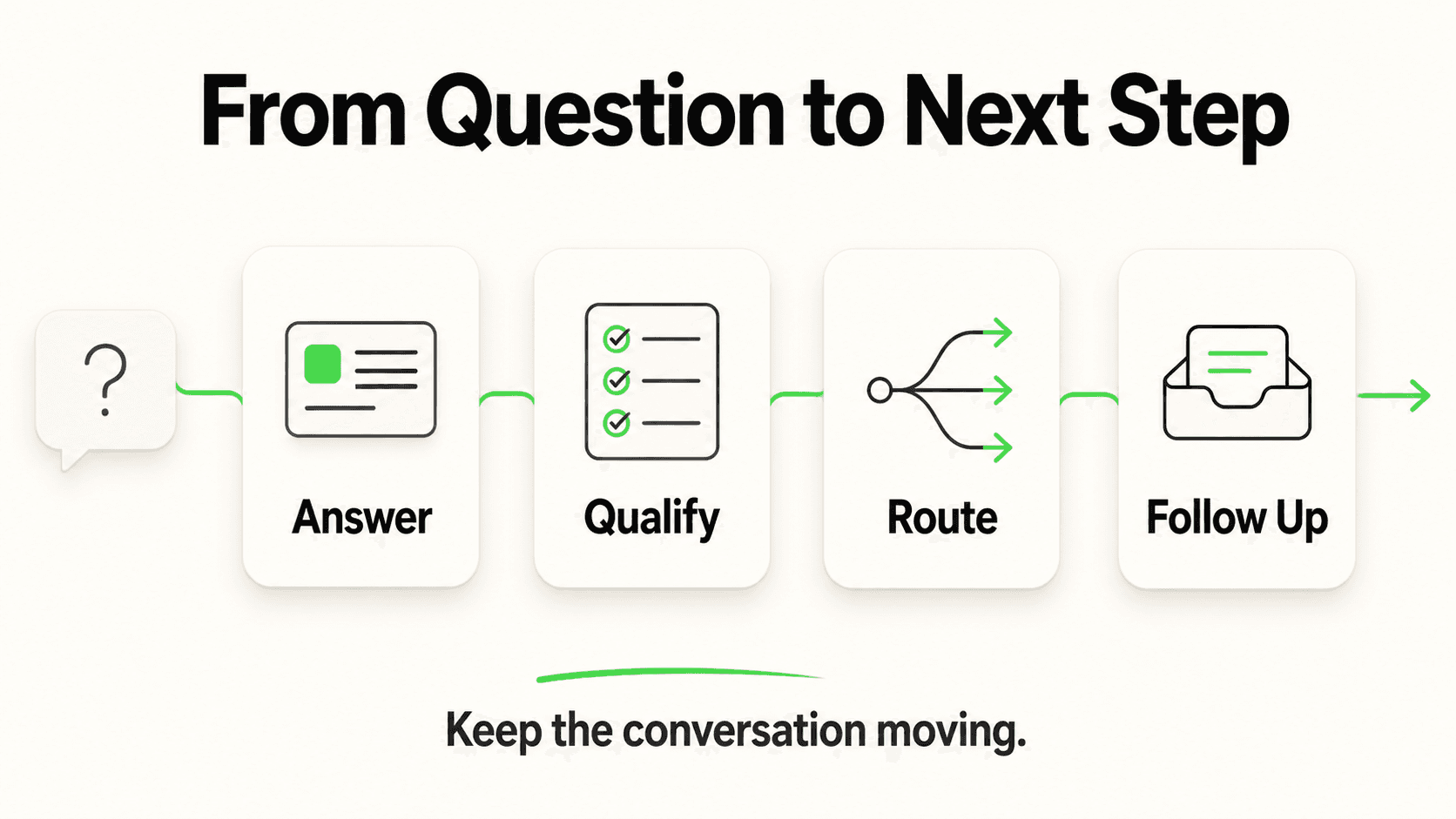
19. 64% of internet users say 24-hour service is the single best feature of chatbots, making around-the-clock availability the top driver of chatbot adoption among consumers (Source: Chatbot.com, 2025; industry estimate, not independently verified).
20. Hotels with AI chatbots capture 35% more direct bookings by responding to after-hours inquiries instantly, a pattern that applies broadly to any service business that receives inquiries outside of 9-to-5 (Source: Canary Technologies, 2025).
21. Retail consumers are most likely to use chatbots after 5 PM and on weekends, precisely when human staff are unavailable — meaning businesses without 24/7 coverage are missing their highest-intent interactions (Source: Sixth City Marketing, 2025; industry estimate, not independently verified).
AI-Assisted Agent Performance
22. AI-assisted agents resolve issues 47% faster and achieve 25% higher first-contact resolution than agents without AI support (Source: Microsoft, 2025).
23. AI combined with human agents improves customer satisfaction scores by up to 20% compared to AI-only setups, reinforcing that the best model is augmentation, not replacement (Source: Zendesk, 2025).
24. Companies using AI-assisted support see first-call resolution rates near 90% and 70% reductions in human intervention for routine queries (Source: Microsoft, 2025).
| Response Method | Average First Response Time | Customer Satisfaction |
|---|---|---|
| AI chatbot | 3 seconds | 82% |
| Human live chat | 45 seconds | 85% |
| Phone (on hold) | 8 minutes | 70% |
| 12 hours | 65% |
The Speed-Satisfaction Sweet Spot
The data reveals a nuance: AI is fastest, but AI + human collaboration delivers the highest satisfaction. The winning strategy is to let AI handle the instant first response and routine resolution, then route complex issues to human agents with full conversation context. This hybrid approach hits both speed and quality targets.
AI Customer Service ROI and Cost Statistics
The financial case for AI customer service has moved from theoretical to proven. Across industries and company sizes, the data shows consistent cost reductions, fast payback periods, and compounding returns over time.
Cost Per Interaction
25. Companies implementing AI reduce the average cost per interaction by 68%, from $4.60 to just $1.45 (Source: Freshworks, 2025).
26. The average cost per AI chatbot interaction ranges from $0.50 to $1.00, compared to $5 to $12 for a fully human-handled interaction — a 10x cost advantage at the midpoint (Source: Fullview, 2025; industry estimate, not independently verified).
27. AI-enabled self-service reduces support incidents by 40-50%, with cost-to-serve dropping more than 20% even when accounting for the AI platform costs (Source: LiveChat AI, 2025; industry estimate, not independently verified).
Return on Investment
28. The average ROI for AI customer service is 41% in the first year, 87% by the second year, and over 124% by year three as systems become more efficient and training data accumulates (Source: Freshworks, 2025).
29. Companies see an average return of $3.50 for every $1 invested in AI customer service, with leading organizations achieving up to 8x ROI (Source: Freshworks, 2025).
30. Organizations implementing AI customer service achieve 210% ROI over three years with payback under 6 months, according to a Forrester Total Economic Impact study (Source: Forrester, 2025).
31. Most companies adopting conversational AI see 25-45% fewer tickets reaching human agents and report ROI between 2x and 5x within the first year (Source: Chat-Data, 2025; industry estimate, not independently verified).
For a detailed breakdown of how to calculate your own potential return, see our AI chatbot ROI calculator with case studies.
Operational Cost Reduction
32. Contact centers using AI see a 30% operational cost reduction through a combination of automation, faster resolution, and reduced staffing needs (Source: Freshworks, 2025).
33. 94% of retail companies say implementing AI has helped decrease costs, making retail one of the most successful verticals for AI customer service deployment (Source: Freshworks, 2025).
34. AI chatbots reduce customer service costs by 30-40% on average by handling routine inquiries — order status, return policies, appointment scheduling, and basic troubleshooting — without human intervention (Source: McKinsey, 2025).
35. Using WhatsApp for customer service reduces operational costs by up to 40%, combining the efficiency of messaging automation with the channel customers already prefer (Source: Gallabox, 2025; industry estimate, not independently verified).
| ROI Metric | Year 1 | Year 2 | Year 3 |
|---|---|---|---|
| Average ROI | 41% | 87% | 124%+ |
| Per-dollar return | $1.41 | $1.87 | $2.24+ |
| Leading org ROI | Up to 3x | Up to 5x | Up to 8x |
| Payback period | 3-6 months | — | — |
The Compounding Effect
AI customer service ROI increases over time because the system learns. Every resolved conversation improves the knowledge base, every escalation reveals a gap to fill, and every month of data makes routing and responses more accurate. Year-three ROI is 3x year-one ROI not because you spend more — but because the system gets smarter.
Customer Preferences and Channel Statistics
Understanding where and how customers want to be served is critical for any AI customer service strategy. The data shows a decisive shift toward chat-based and messaging channels, with self-service becoming the norm rather than the exception.
Channel Preferences
36. Live chat is the preferred support channel for 41% of consumers, compared to 32% for phone and 23% for email (Source: LiveChat, 2025; industry estimate, not independently verified).
37. 56% of customers aged 18 to 34 favor live chat over phone calls, with the preference gap even wider for Gen Z consumers (Source: Tidio, 2025).
38. 42% of consumers choose live chat specifically to avoid hold times — the single most cited reason for preferring chat over phone (Source: Freshworks, 2025).
39. 63% of customers are more likely to purchase from websites that offer live chat, making chat not just a service channel but a direct revenue driver (Source: Tidio, 2025).
Messaging App Adoption
40. 175 million people message a business on WhatsApp every single day, representing active, high-intent interactions (Source: Gallabox, 2025; industry estimate, not independently verified).
41. WhatsApp messages have a 98% open rate, compared to 20-25% for marketing emails — making it the highest-engagement customer communication channel available (Source: WapiKit, 2025; industry estimate, not independently verified).
42. 81% of customers want to message a business about a product or service, signaling that messaging is the expectation, not a nice-to-have (Source: Infobip, 2025).
Customer Satisfaction by Channel
43. Live chat earns a 73-87% customer satisfaction rate, compared to 61% for email and 44% for phone support (Source: LiveChat, 2025; industry estimate, not independently verified).
44. 79% of companies say live chat has helped increase customer loyalty, revenue, and sales — making it one of the highest-impact service investments available (Source: Tidio, 2025).
Omnichannel Impact
45. Omnichannel strategies boost customer retention by 89%, with omnichannel-engaged retailers retaining 89% of customers compared to 33% for those with weak engagement (Source: Plivo, 2025).
46. Integrated omnichannel tools cut wait times by 39% and lower service costs by up to 35%, but 56% of customers still say they have to repeat themselves across channels — highlighting the gap between promise and implementation (Source: Plivo, 2025).
Businesses that meet customers on their preferred channels — website chat, WhatsApp, Instagram DM, Facebook Messenger — see dramatically better outcomes than those forcing everyone through a single funnel. See our pricing page for how Hyperleap AI supports multi-channel deployment across all plans.
AI Customer Service by Industry
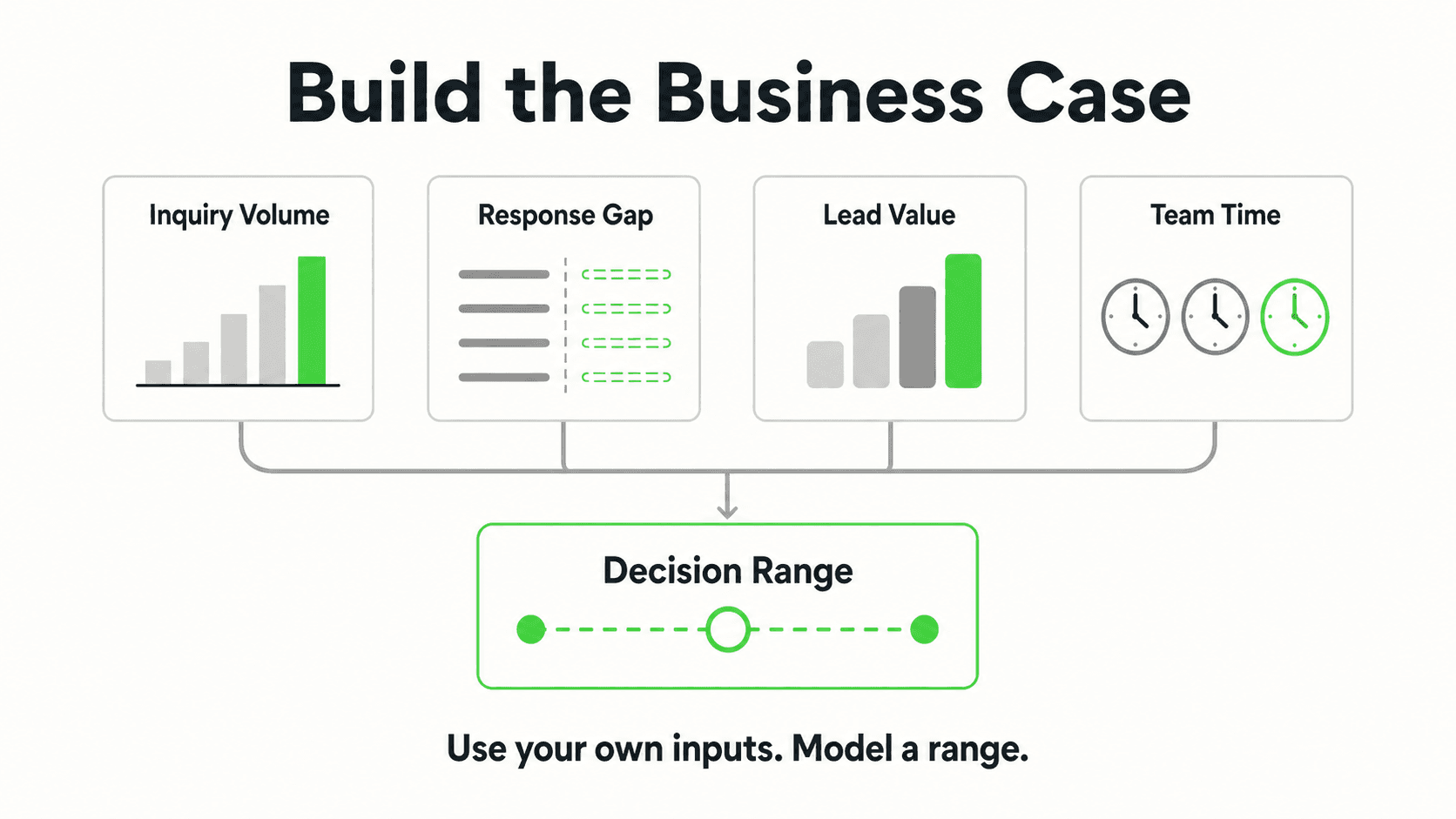
AI customer service adoption and impact vary significantly by industry. Some verticals — healthcare, real estate, insurance, hospitality — are seeing particularly strong results due to high inquiry volumes, time-sensitive customer needs, and the repetitive nature of common questions.
Healthcare
47. AI-powered chatbots handle initial patient inquiries in 42% of major healthcare networks, freeing clinical and administrative staff for higher-value tasks (Source: Emulent, 2025; industry estimate, not independently verified).
48. 81% of consumers have used bots or voice agents for healthcare-related support, indicating broad patient acceptance of AI in clinical settings (Source: Emulent, 2025; industry estimate, not independently verified).
Healthcare businesses using AI agents see reduced phone burden, faster appointment scheduling, and improved patient satisfaction. Learn more about AI for healthcare practices.
Real Estate
49. Real estate teams using AI chatbots see up to a 40% increase in lead conversion rates, with AI reducing lead response time from an average of 39 minutes to under 30 seconds (Source: RTSLabs, 2025; industry estimate, not independently verified).
50. 75% of U.S. real estate brokerages have adopted AI, though only 22% use it specifically for lead qualification — leaving a significant gap for early movers to exploit (Source: Agentive AIQ, 2025; industry estimate, not independently verified).
For real estate businesses, the after-hours inquiry problem is acute. See how AI agents for real estate solve it.
Insurance
51. Chatbots and virtual assistants handle 42% of customer service interactions in insurance, with 44% of consumers comfortable using chatbots for claims and 43% for coverage applications (Source: Master of Code, 2025).
52. Full AI adoption in insurance jumped from 8% to 34% year-over-year (2024 to 2025), a 26 percentage-point leap driven by claims processing automation and customer service efficiency (Source: Master of Code, 2025).
53. AI-assisted claims resolution time dropped by 75%, from 30 days to 7.5 days, with routine claims processing shrinking from 7-10 days to 24-48 hours (Source: CoinLaw, 2025; industry estimate, not independently verified).
Explore how AI agents for insurance are transforming policyholder communication.
Dental and Healthcare Practices
54. Dental practices that implemented AI report a 35% boost in patient satisfaction rates, driven by faster communication, automated appointment reminders, and 24/7 availability (Source: Open and Affordable, 2025; industry estimate, not independently verified).
55. 35% of dentists globally have implemented AI in their practices, with 77% reporting positive outcomes including reduced administrative burden and fewer no-shows (Source: Open and Affordable, 2025; industry estimate, not independently verified).
56. AI-powered scheduling saves dental practices up to 25% in operational costs, while reducing billing errors by 15% (Source: Open and Affordable, 2025; industry estimate, not independently verified).
See our guide on AI for dental practices for implementation strategies.
Hospitality
57. 80% of hotels already use AI to personalize guest offerings, and 58% of guests believe AI can improve their stay (Source: Canary Technologies, 2025).
58. Hotels with AI chatbots generate an additional 8-12% revenue per guest through upsell recommendations delivered via conversational AI (Source: Canary Technologies, 2025).
59. 65% of hotels report being understaffed, making AI chatbots a critical tool for maintaining guest service quality with constrained labor resources (Source: Canary Technologies, 2025).
Legal Services
60. AI chatbots in legal services reduce initial consultation scheduling time by over 60%, while ensuring after-hours inquiries are captured — critical in a field where prospects often research attorneys outside business hours (Source: Emulent, 2025; industry estimate, not independently verified).
Explore how AI agents for law firms handle client intake and frequently asked legal questions.
Education
61. 55% of education institutions have adopted customer service automation, primarily for admissions inquiries, enrollment support, and student services (Source: Fullview, 2025; industry estimate, not independently verified).
AI is particularly impactful in education during peak enrollment seasons, when inquiry volumes can overwhelm small admissions teams. Schools using AI agents report faster response to prospective student inquiries and fewer dropped leads.
| Industry | AI Adoption Rate | Primary Use Case | Key Metric |
|---|---|---|---|
| Healthcare | 42% | Patient inquiries, scheduling | 81% patient acceptance |
| Real Estate | 75% | Lead response, qualification | 40% conversion increase |
| Insurance | 34% | Claims, policy questions | 75% faster claims |
| Dental | 35% | Scheduling, reminders | 35% satisfaction boost |
| Hospitality | 80% | Guest services, bookings | 35% more direct bookings |
| Education | 55% | Admissions, student support | Peak-season scalability |
Small Business Technology Adoption Statistics
Beyond AI-specific data, understanding the broader technology adoption landscape for small businesses provides context for where AI customer service fits within overall digital transformation priorities.
Current Adoption Landscape
62. 57% of all small employers have introduced new or significantly improved technologies within the last two years, with adoption scaling by company size: 51% for single-digit employee firms and 75% for 50+ employee firms (Source: NFIB, 2025).
63. 91% of SMBs using AI report a boost in revenue, and growing businesses are nearly twice as likely to invest in AI compared to those in decline (Source: Salesforce, 2025).
64. 76% of small businesses that are adopting smart technology trends are growing, suggesting a strong correlation between technology investment and business trajectory (Source: Salesforce, 2025).
Where SMBs Are Investing
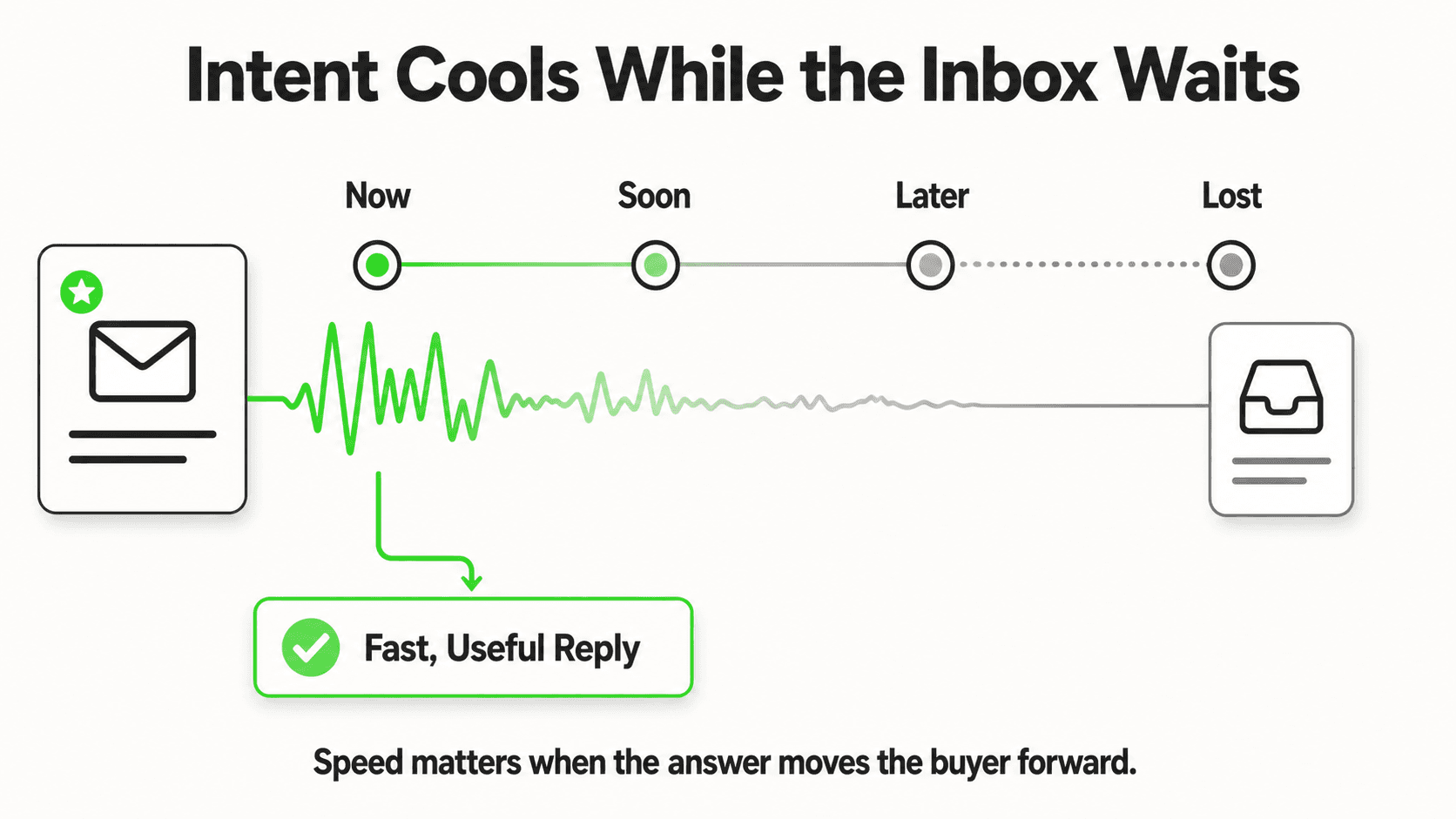
65. 29% of small businesses use or plan to use AI for communications, 27% for marketing and advertising, and only 9% specifically for customer service — indicating significant room for growth in service-focused AI (Source: NFIB, 2025).
66. 80% of customer service leaders plan to increase their service budgets over the next year, with AI being the primary area of investment (Source: AnswerConnect, 2025; industry estimate, not independently verified).
Barriers to Adoption
67. The top barriers for small businesses adopting new technology are upfront costs, lack of technical expertise, and uncertainty about ROI — all of which are being addressed by modern AI platforms that offer low monthly costs, no-code chatbot builder setup, and measurable outcomes (Source: NFIB, 2025).
68. 77% of small businesses using AI have no formal AI policy, meaning adoption is happening organically but without the governance structures that ensure responsible use, data privacy, and quality control (Source: Digital Applied, 2025; industry estimate, not independently verified).
The Strategy Gap
The biggest risk for small businesses is not failing to adopt AI — 68% have already done so. The risk is adopting without strategy. Businesses that pair AI customer service with clear guidelines on tone, escalation rules, and data handling consistently outperform those that deploy and hope for the best. Start with a simple document: what should the AI answer, what should it escalate, and what should it never say.
Analyst Predictions
69. Gartner predicts that agentic AI will autonomously resolve 80% of common customer service issues without human intervention by 2029, leading to a 30% reduction in operational costs (Source: Gartner, March 2025).
70. Forrester predicts that one in four brands will see a 10% increase in successful self-service interactions by the end of 2026, but also warns that one-third of brands will roll out AI self-service and fail due to overconfidence in generative AI capabilities (Source: Forrester, 2025).
What These Statistics Mean for Your Business
The data points in this article paint a consistent picture across every metric: AI customer service has moved from competitive advantage to competitive necessity for small businesses. Here is what the statistics mean in practical terms.
The window to be an early adopter is closing. With 68% of small businesses already using AI and 64% of the remainder planning to adopt by 2026, the question is no longer whether to implement — it is how quickly you can implement well. Businesses that delay will face a widening gap in response times, customer satisfaction, and cost efficiency.
The ROI is proven and fast. Average payback periods of 3 to 6 months and first-year ROI of 41% mean that AI customer service is one of the lowest-risk technology investments a small business can make. The compounding effect — with returns increasing from 41% in year one to 124%+ in year three — makes early adoption even more valuable.
Channel strategy matters as much as AI strategy. Customers have already chosen their preferred channels. 41% want live chat, 81% want to message businesses, and 98% of WhatsApp messages get opened. Meeting customers on these channels is not optional — and AI makes it possible to be present on all of them without multiplying your team.
The hybrid model wins. The highest satisfaction scores come from AI + human collaboration, not AI alone. The best implementations use AI for instant first responses, routine resolution, and 24/7 availability, while routing complex or sensitive issues to human agents with full context. This is not about replacing your team — it is about making them more effective.
Industry-specific implementation beats generic deployment. The data shows that healthcare, real estate, insurance, dental, and hospitality businesses see the strongest results when AI is configured with industry-specific knowledge bases, terminology, and workflows. A generic chatbot answers questions. An industry-tuned AI agent converts visitors into customers.
Ready to see what AI customer service can do for your business? Start your free trial and deploy an AI agent configured for your industry in under 5 minutes.
Conclusion
The state of AI customer service for small businesses in 2026 is defined by three words: mature, measurable, and essential. The statistics leave little room for debate. Adoption has crossed the majority threshold. ROI is proven within months. Customer expectations have permanently shifted toward instant, always-on, multi-channel support.
The businesses that will thrive are not necessarily the ones with the biggest budgets — they are the ones that implement AI customer service thoughtfully, with industry-specific knowledge, clear escalation paths, and a presence on the channels their customers already use.
Every statistic in this article points to the same conclusion: the cost of waiting now exceeds the cost of implementing.
Ready to join the 68% of small businesses already using AI? Start your 7-day free trial with Hyperleap AI and deploy a customer-facing AI agent on your website, WhatsApp, Instagram, or Facebook Messenger — configured for your industry and live in under 5 minutes.
Frequently Asked Questions
What percentage of small businesses use AI for customer service?
As of 2025, 68% of U.S. small businesses use AI in some capacity (Source: Digital Applied, 2025; industry estimate, not independently verified), though only about 9% specifically cite customer service as the primary use case (Source: NFIB, 2025). This gap suggests significant opportunity: most small businesses are using AI for content and marketing but have not yet applied it to customer interactions, where the ROI data is strongest. For further chatbot-specific statistics, see our AI chatbot statistics for 2026.
How much do AI chatbots reduce customer service costs?
The data consistently shows 30-40% cost reductions as an industry average (Source: McKinsey, 2025), with top performers seeing even greater savings. The cost per AI-handled interaction averages $0.50-$1.00, compared to $5-$12 for human-handled interactions — a 68% reduction in cost per interaction (Source: Freshworks, 2025). For a deeper dive into the financial model, see our customer service automation statistics guide.
What is the average ROI for AI customer service?
Average ROI is 41% in year one, 87% in year two, and 124%+ in year three (Source: Freshworks, 2025). Forrester's Total Economic Impact study found 210% ROI over three years with payback under 6 months (Source: Forrester, 2025). The compounding returns occur because AI systems improve as they accumulate more training data and conversation history.
Do customers actually prefer chatbots over human agents?
It depends on context. 62% of consumers prefer chatbots over waiting for a human agent (Source: DemandSage, 2025), and 41% name live chat as their preferred support channel ahead of phone and email (Source: LiveChat, 2025; industry estimate, not independently verified). However, for complex or emotionally sensitive issues, customers still prefer human agents. The highest satisfaction scores (20% improvement) come from AI + human collaboration rather than either alone (Source: Zendesk, 2025).
What channels should small businesses prioritize for AI customer service?
The data points to a clear hierarchy: website chat is the foundational channel (85% of businesses have incorporated it), WhatsApp is the highest-engagement messaging channel (98% open rate, 175 million daily business messages), and omnichannel strategies deliver the best retention (89% customer retention rate). Small businesses should start with their website and add WhatsApp, Instagram DM, and Facebook Messenger based on where their specific customer base is most active. See our pricing plans to understand multi-channel deployment options.
Industry Solutions
See how AI chatbots work for these industries:
Related Articles

Customer Service Automation Statistics 2026 (Full Guide)
Customer service automation statistics for 2026. Chatbot adoption rates, AI impact on support, cost savings, and satisfaction metrics.
What Missed Calls Really Cost Your Small Business
A worked example of what missed calls cost small businesses in lost jobs, plus where inquiries actually arrive now and what to do about it.

What SMB Customers Expect from Messaging in 2026
Customer messaging expectations have shifted dramatically. Here's what the data shows about response times, channel preferences, and the self-service standard.

Response Time vs Conversion Rates: 10 Industries
From real estate to dental practices, the data is clear: faster response means higher conversion. Here's what the numbers show for 10 industries.