AI Chatbot for Med Spas: Convert Inquiries to Bookings
Med spa clients research treatments after hours. An AI chatbot answers Botox, filler, and laser questions 24/7 and converts inquiries into booked consultations.
TL;DR: Med spa clients rarely book on their first visit to your website. They research treatments for days or weeks — reading about Botox vs. filler, asking about downtime, comparing prices. An AI chatbot captures them during that research phase, answers their questions accurately, and converts them into booked consultations before they find a competitor who responded faster.
AI Chatbot for Med Spas: Convert Inquiries Into Booked Treatments
The client considering her first Botox appointment doesn't book impulsively. She spends a week researching: reading about units and dosing, asking about bruising and downtime, wondering whether the price she's seen quoted online matches what local providers charge. That research happens at night, on lunch breaks, on weekends — windows when your front desk is unavailable.
When she finally decides she's ready to book a consultation, she messages three or four providers and chooses the one that responds with confidence, warmth, and accuracy. If your Instagram DMs sit unread for six hours and your website contact form goes to an inbox nobody monitors on weekends, she's already booked with the med spa that answered in two minutes.
An AI chatbot for med spas closes that gap. This guide explains how to use one to turn that research-phase traffic into booked treatments.
What Makes Med Spa Chatbots Different from Generic Business Chatbots
Med spa clients are research-intensive buyers making decisions about their physical appearance and, in many cases, their first experience with an aesthetic procedure. They have specific questions that a generic chatbot handles poorly.
A well-configured med spa chatbot needs to:
- Answer treatment-specific questions accurately — "How many units of Botox for forehead lines?" "Will filler hurt?" "How long does laser hair removal take?" These require real, specific answers trained from your service menu and practitioner protocols.
- Avoid making clinical promises — The chatbot provides general information about how treatments work and what to expect; your clinical team handles individualized recommendations at consultation. This distinction protects you and builds appropriate trust.
- Qualify consultation candidates appropriately — Some treatments have contraindications (pregnancy, certain medications, skin conditions). The chatbot can flag that a consultation is required and collect pre-screening information, but medical assessment happens with your practitioner.
- Communicate pricing ranges without making binding commitments — "Botox pricing depends on the number of units used, typically in the range of $X–$Y per unit; your provider will recommend the exact amount at your consultation" is accurate and useful without locking you into a quote.
Treatment Categories to Train Your Chatbot On
| Category | Common Questions | Chatbot Role |
|---|---|---|
| Injectables (Botox, fillers) | Units, areas, downtime, results longevity | General info + book consultation |
| Laser treatments | Sessions needed, skin types, pain level | General info + book consultation |
| Body contouring | Candidacy, results timeline, maintenance | General info + book consultation |
| Skin treatments (facials, peels) | Frequency, skin type fit, downtime | Can often book directly |
| Memberships and packages | Pricing, inclusions, flexibility | Direct booking + membership info |
Clinical Assessment Stays With Your Practitioners
Configure your chatbot to provide general treatment information, not individual recommendations. Phrases like "Your provider will assess whether this treatment is right for you at your consultation" are both accurate and medically appropriate. Never configure a chatbot to confirm someone is a good candidate for a specific procedure — that judgment belongs with your clinical team.
Why Med Spas Lose High-Value Clients in the Research Phase
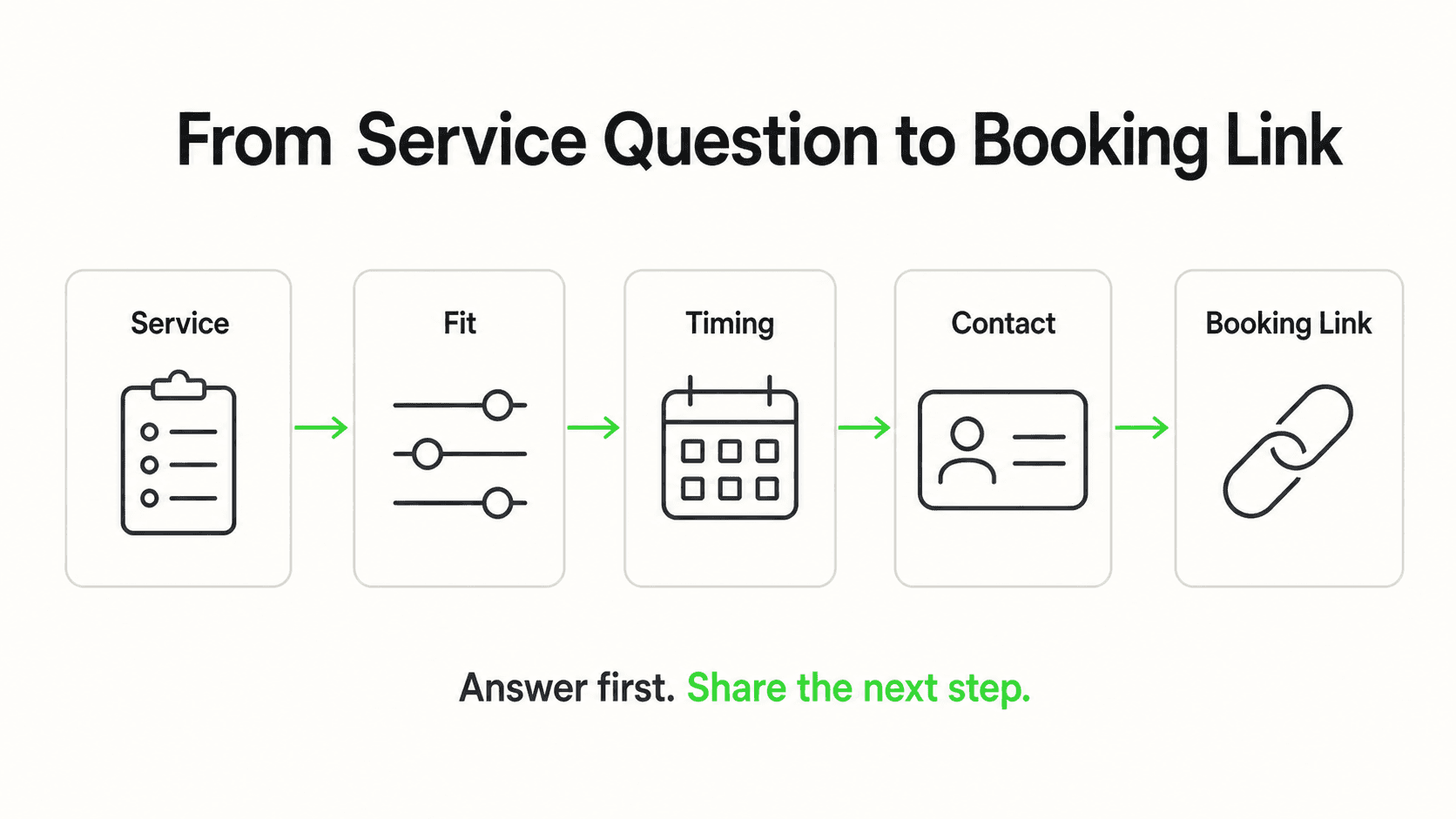
The research window is the conversion window. Med spa clients spend longer researching than they do booking. The provider who shows up — with accurate information, prompt responses, and a welcoming tone — during that research phase earns the consultation. The chatbot that's live at 10 PM when she's reading about lip fillers is the one that captures her.
Inconsistent front desk knowledge loses trust. When a client calls and gets different answers from different staff members about pricing, downtime, or treatment protocols, trust erodes. A chatbot trained on your actual protocols and pricing gives consistent, accurate answers — every time, to every client.
Unread Instagram DMs are lost high-value leads. Med spas with strong visual content on Instagram attract significant inquiry volume there. These clients are often your best prospects — visually motivated, already engaged with your brand aesthetic. If those DMs go unread for hours, you've lost them.
The competitive landscape is dense. Most cities have multiple med spas competing for the same demographic. Speed and responsiveness are differentiating factors when treatment quality and pricing are similar across providers.
4 Ways a Chatbot Converts Med Spa Inquiries Into Booked Treatments
1. After-Hours Inquiry Capture During the Research Phase
Most med spa clients research after business hours. They're reading about treatments while their kids are in bed or during a quiet Sunday afternoon. When they land on your website and see a chat option, they engage — because it's lower commitment than a phone call and more immediate than a contact form.
The chatbot answers their research questions, builds confidence in your practice, and ends with: "Would you like to book a complimentary consultation with one of our providers?" For clients who are ready, that's the conversion moment. For those still researching, you've captured their contact information for follow-up.
2. Consistent Treatment Information Across All Channels
Deploy your chatbot on your website, Instagram DM, WhatsApp, and Facebook Messenger, and every channel gives the same accurate information about your treatments, pricing ranges, and booking process. A prospect who first discovered you on Instagram and then visited your website gets consistent answers both places — which builds trust without requiring any coordination from your front desk team.
3. Consultation Qualification and Booking Link Sharing
For clients ready to book, the chatbot collects the relevant information (treatment of interest, timeline, any concerns) and shares your booking link so they can self-select a consultation slot. This eliminates the phone tag that often delays conversions.
For treatments with pre-screening requirements, the chatbot can ask qualifying questions (are you currently pregnant? are you on blood thinners?) and, based on the response, either proceed with the booking or note that the consultation will include a full medical intake. This is appropriate — it surfaces relevant information without performing clinical assessment.
4. Membership and Package Inquiry Conversion
Clients asking about your membership programs or package deals are high-value prospects. A chatbot that explains your membership tiers, what's included, and how to join — with a direct booking link — converts these inquiries efficiently. Many med spas find that the chatbot handles membership inquiries better than a phone call because the client can read at their own pace and return to the conversation later.
Convert More Med Spa Inquiries Into Booked Treatments
A chatbot that answers treatment questions 24/7 and books consultations while your front desk focuses on clients already in the chair.
Start Free TrialBuilding Your Med Spa Knowledge Base
Your chatbot's quality depends entirely on the quality of information you train it with. For med spas, this means documenting:
Treatment information (per service):
- What the treatment does and how it works (general, not clinical)
- Typical session duration
- Expected number of sessions for results (range)
- General downtime expectations
- Price range or starting price
- Contraindications that require consultation review
Practice information:
- Practitioner credentials and specializations
- Facility certifications or affiliations
- Safety protocols (always a trust signal)
- Consultation process (what to expect, how long, cost if any)
- Cancellation and rescheduling policy
Booking information:
- Consultation availability
- How to book (link)
- What to bring or do before first appointment
- New client promotions if applicable
See the knowledge base best practices guide for structuring this information so your chatbot retrieves it accurately and consistently.
Frequently Asked Questions
Will the chatbot replace my consultation process?
No. The chatbot handles general information and books consultations — it doesn't replace the consultation itself. Clinical assessment, personalized recommendations, and treatment planning always happen with your practitioners. The chatbot is a front-desk function, not a clinical one.
What if a client asks a question my chatbot can't answer accurately?
Configure a graceful fallback: "That's a great question for your provider to address in detail — would you like to book a consultation?" This is both honest and conversion-positive. Clients appreciate transparency over an overconfident bot that makes something up.
Can the chatbot handle client complaints about a treatment result?
For sensitive complaints, the chatbot should route to your team immediately: "I want to make sure our clinical director hears about this directly — can I get the best way to reach you so they can follow up personally?" Attempting to resolve treatment complaints through automation is risky; personal handling from a provider is always the right approach.
How does the chatbot handle pricing questions without giving away the consultation?
Provide ranges, not exact prices: "Our injectables are priced by unit/syringe; typical treatments range from $X to $Y depending on the area and amount used. Your provider will give you an exact quote at your complimentary consultation." This is accurate, useful, and keeps the consultation in the path to conversion.
Is it appropriate for med spas to use a chatbot given the sensitivity of the services?
Yes, when configured correctly. The chatbot handles the information and logistics layer — hours, pricing ranges, booking, general treatment info. The clinical relationship remains with your providers. Many clients actually prefer the privacy of a chatbot for initial questions they might feel awkward asking a receptionist directly.
How much does it cost?
Plans start at $40/month (Plus plan) with a 7-day free trial. Credit card required. Given the average value of a med spa treatment, a single additional booked consultation per month typically justifies the subscription. See pricing details.
The Consultation You Don't Book Tonight Goes to Someone Else Tomorrow
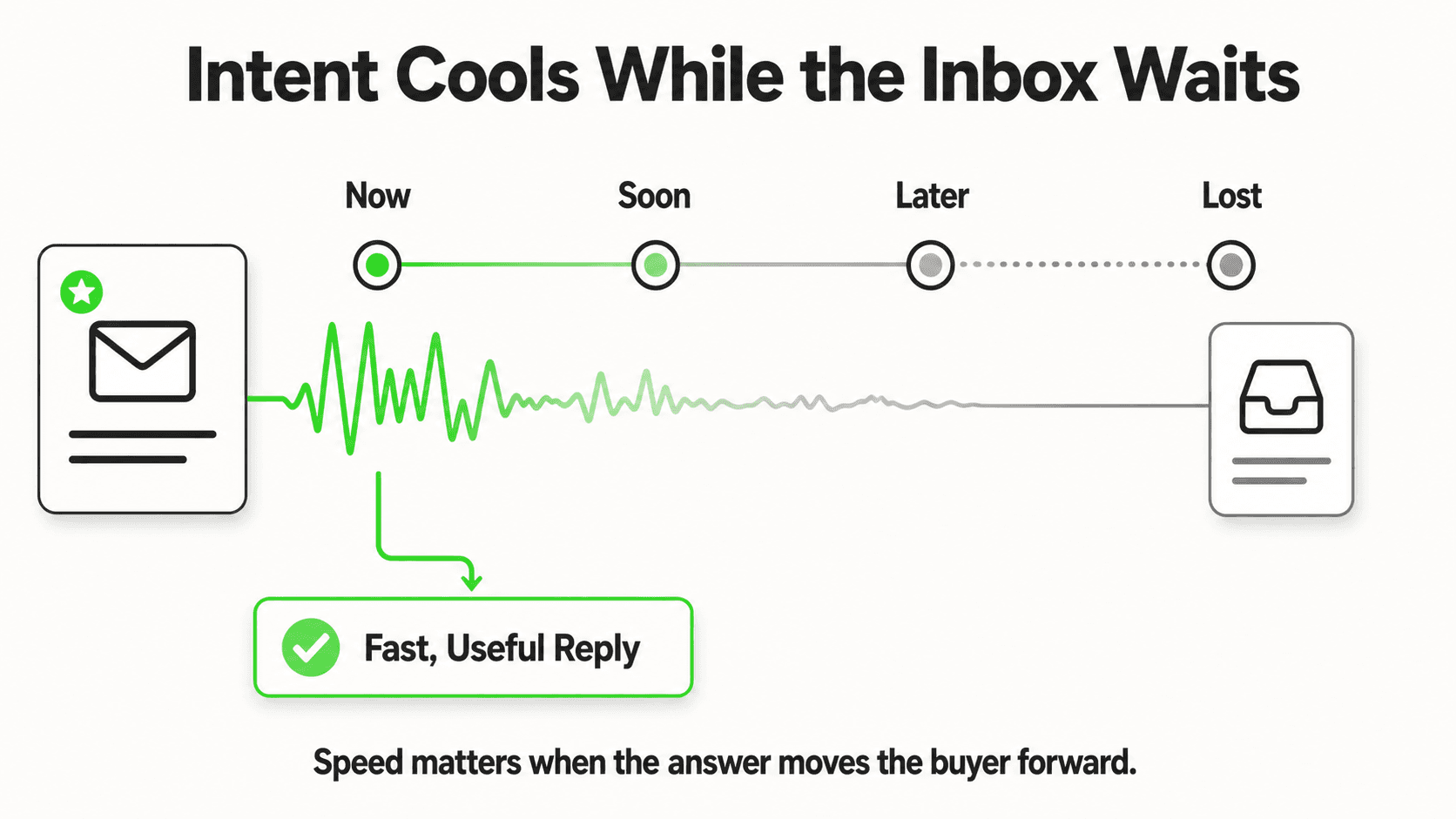
Med spa clients make their booking decision when their motivation is highest — during that late-night research session, while scrolling Instagram, during a slow afternoon. That moment is when you need to be present with accurate information, warmth, and an easy path to schedule.
An AI chatbot for your med spa shows up in that moment every time — answering treatment questions, building confidence in your practice, and sharing your booking link when the client is ready. Your front desk team can focus on the clients already in your space, confident that the next wave of consultations is booking itself.
See how other aesthetic and beauty businesses use AI to handle inquiry volume without adding administrative overhead.
Can the chatbot replace a therapist or counselor?
No. Hyperleap handles intake logistics, scheduling questions, and routing — never clinical assessment, therapy, or crisis intervention. Crisis keywords are routed immediately to your designated emergency contact and to local crisis resources, not to the bot.
How does the chatbot respect patient privacy?
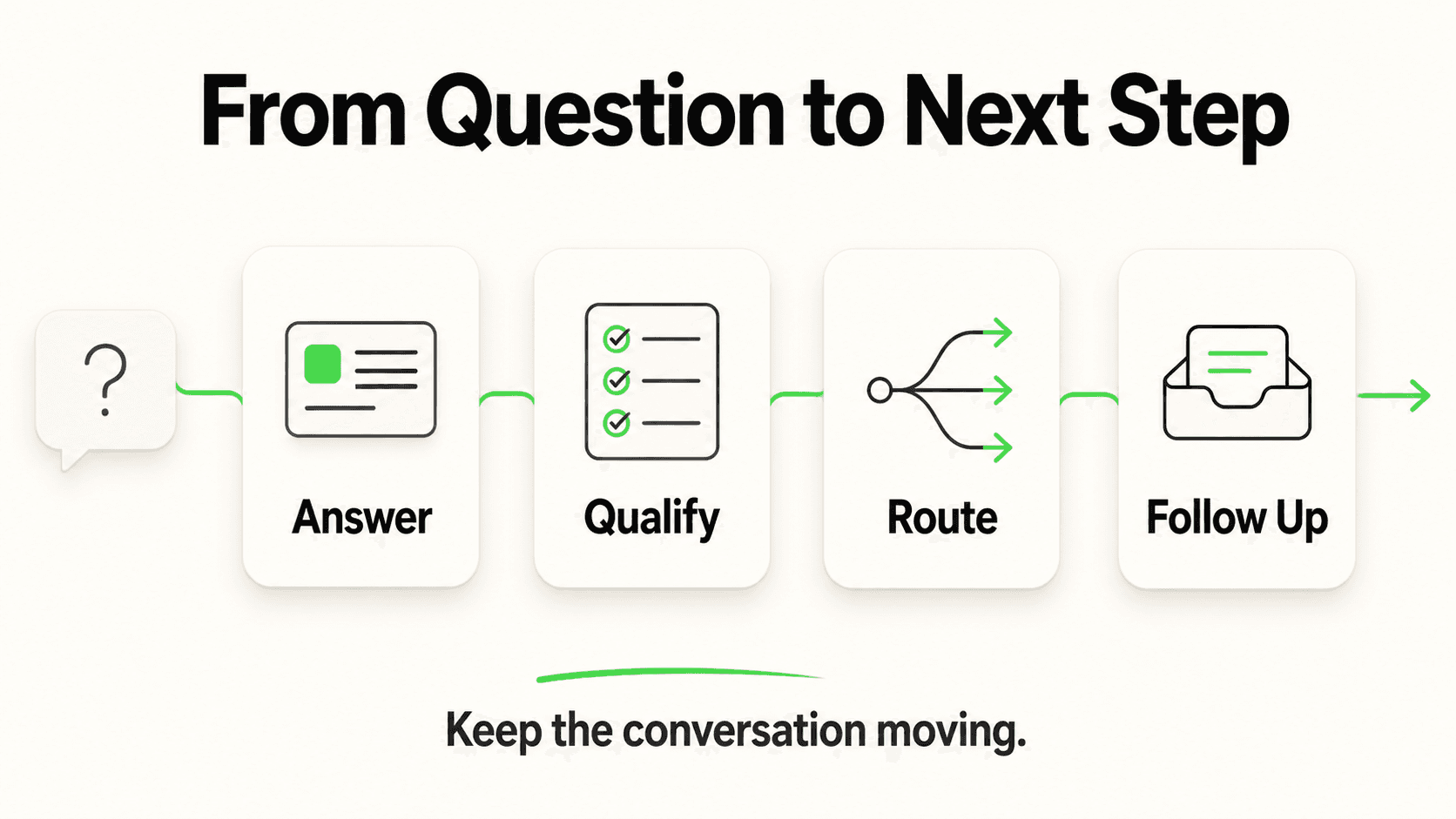
The bot is configured to capture only the information needed to schedule and route — not clinical detail. PHI handling should follow your existing compliance framework; the chatbot is a routing layer in front of your existing systems.
How long does it take to set up an AI chatbot with Hyperleap?
Most SMBs go live in 3–5 days for self-serve setup. With Managed Setup ($299 Free, available on every plan), Hyperleap builds the bot for you on your content and channels. A 7-day free trial is included on every plan.
Further Reading
Authoritative external sources used and recommended for further research on this topic:
- American Psychological Association practice guidelines
- HIPAA Privacy Rule (HHS.gov)
- SAMHSA mental health resources
Turn Research Traffic Into Booked Consultations
Deploy a med spa chatbot that answers treatment questions 24/7 and converts after-hours inquiries into confirmed consultation slots.
Get StartedIndustry Solutions
See how AI chatbots work for these industries:
Related Articles

AI Chatbot for Vet Clinics: 24/7 Emergency Triage
How vet clinics use AI chatbots for after-hours emergency guidance, appointment booking, and FAQs so staff focus on care.
Stop Losing Bookings When Your Stylists Are Busy
Salons lose 30-40% of calls when stylists are busy. Learn 7 ways to capture every booking with automated scheduling, AI chat, and smart waitlists.
10 AI Chatbot Use Cases for Dental Clinics in 2026
How dental practices use AI chatbots for appointment requests, no-show reduction, and 24/7 patient questions — 10 practical use cases with setup guidance.
Automate Dental Appointment Scheduling with AI
Learn how AI-powered appointment scheduling can reduce no-shows, fill schedule gaps, and free your front desk from phone tag.