Mysuru Zoo Case Study: 6x Visitor Queries Handled
How a government wildlife park used an AI assistant to handle 6x more visitor queries in five languages, plan visit routes, and share conservation content.
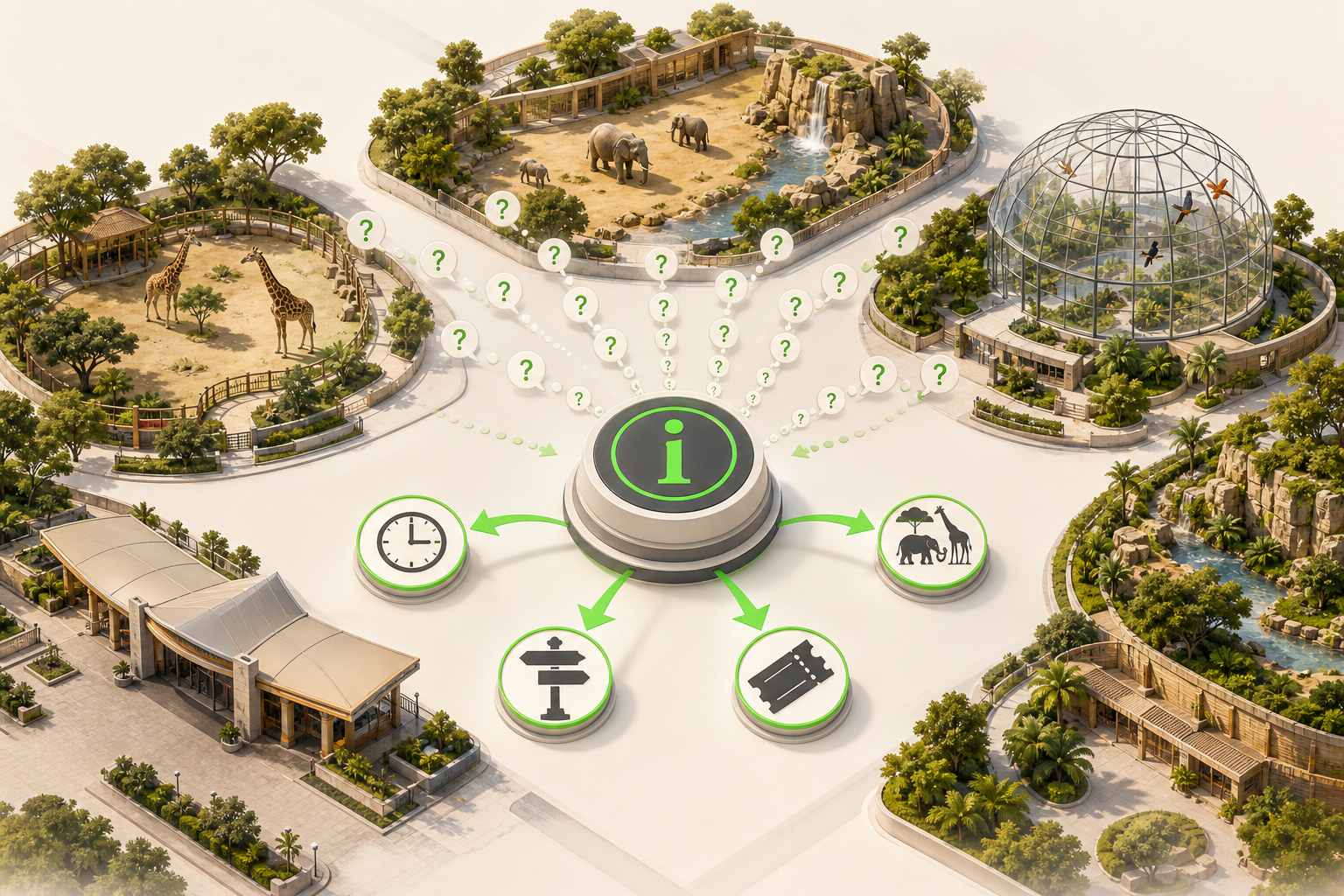
TL;DR: Mysuru Zoo, a government wildlife park in Mysuru, deployed a Hyperleap AI assistant that answers visitor questions in five languages, helps visitors plan their routes through the park, and surfaces conservation content alongside practical answers. Per the client's disclosed results, the deployment handled a 6x increase in visitor queries — repetitive questions that previously consumed staff attention or simply went unanswered.
Who Mysuru Zoo Is
Mysuru Zoo is a government wildlife park and one of the region's major visitor attractions. Its audience is unusually broad for a single institution: local families, domestic tourists from across India, international travelers, school groups, and wildlife enthusiasts — each arriving with different languages, different questions, and different levels of familiarity with the park.
That breadth is exactly what makes visitor information hard to deliver well:
- The question set is enormous but repetitive. Timings, ticketing, directions, which animals are where, accessibility, facilities, rules — thousands of visitors ask overlapping questions, and each one historically needed a person, a sign, or a buried web page to answer it.
- The audience is multilingual by default. A single-language information channel structurally underserves a large share of visitors.
- A zoo visit is a navigation problem. First-time visitors don't just need facts — they need help sequencing a route through a large park so they see what they came for.
The Baseline: More Questions Than Any Counter Can Answer
Before the deployment, visitor questions flowed through the channels every high-traffic public attraction knows: staffed counters, phone lines, static signage, and a website built for reading rather than asking.
The structural limits of that setup:
- Staff attention went to repetition. The same practical questions, asked thousands of times, consumed the attention of people who could otherwise focus on operations and visitor experience on the ground.
- Questions arrived before and after visiting hours. People plan outings in the evening. A question that can't be answered while the visit is being planned can quietly change the plan — the same demand-timing pattern we've documented across visitor and hospitality businesses.
- Language coverage depended on who was at the counter. Whether a visitor got a good answer in their language depended on staffing at that moment.
- Conservation messaging had no conversational surface. A zoo's mission includes education, but static signage is easy to walk past. There was no channel that could weave conservation content into the moments when visitors were actively curious.
The public-institution constraint
A government attraction can't solve an information-volume problem the way a startup might — by hiring aggressively or gating access. The answer capacity has to scale without scaling headcount, and it has to serve every visitor segment equally. That constraint is what made an AI assistant the right shape of solution.
The Intervention: A Multilingual Visitor Assistant
Mysuru Zoo deployed a Hyperleap AI assistant, available to visitors online, with three jobs:
1. Answer visitor questions in five languages. The assistant is grounded in the zoo's own information — timings, tickets, facilities, animals, rules — and conversant in five languages, so a visitor gets the same quality of answer regardless of which language they ask in. Answers are document-grounded: the assistant is designed to answer from the park's own content rather than improvising.
2. Plan visit routes. Beyond single-fact answers, the assistant helps visitors plan a route through the park — turning "what should we see, and in what order?" into a concrete plan. This is the difference between an FAQ and a genuine visitor-experience tool.
3. Surface conservation content. When a visitor asks about an animal, the assistant can carry the conversation into the conservation story behind it. Curiosity about a specific animal becomes a teaching moment — which serves the institution's educational mission in a way static signage can't.
The Results
Per the client's disclosed results:
6x
Increase in Visitor Queries Handled
5
Languages Supported
24/7
Availability for Visit Planning
Routes
Personalized Visit Planning
- 6x increase in visitor queries handled. The assistant absorbed a multiple of the question volume the previous channels could serve — without adding information-desk headcount. Most of that increase is latent demand made visible: questions visitors always had but previously had no easy way to ask.
- Five-language coverage as a baseline, not a staffing accident. Every visitor segment gets served in their language, every time, independent of who is on shift.
- Route planning and conservation content in the same conversation. The assistant does jobs a phone line never could — sequencing a visit and educating along the way.
A note on measurement
The 6x figure is the client's disclosed result; the underlying measurement window has not been published, and we won't invent one. Directionally, a query-volume multiple of this kind is the expected signature of removing friction from asking: when answers become instant and available in the visitor's own language, people ask questions they previously wouldn't have bothered to. Typical results vary with visitor volume and knowledge-base depth.
Serving a high-volume, multilingual audience?
Deploy an AI assistant grounded in your own content — answering instantly, in 100+ languages, around the clock.
Try for FreeWhat Made It Work
Grounding in the institution's own content. A public institution can't afford a confidently wrong answer about timings or safety rules. The assistant answers from the zoo's own documents, which is what makes it trustworthy enough to put in front of the general public. This document-grounded architecture is the same one behind our hospitality and multi-property deployments.
Languages as infrastructure. Five-language coverage turned the park's most persistent service inequality — answer quality varying by language — into a solved problem. Hyperleap supports 100+ languages with automatic detection, so the ceiling is well above five.
Doing visitor-experience work, not just FAQ work. Route planning is what moved this deployment from "deflects questions" to "improves the visit." The most valuable AI assistants do a job the previous channel couldn't do at all.
Mission alignment. Surfacing conservation content in conversation means the assistant advances the institution's educational mandate, not just its operational efficiency. For public institutions evaluating AI, that dual payoff — service capacity plus mission delivery — is the strongest version of the case.
What Other Attractions and Institutions Can Take From This
- Museums, parks, and heritage sites share the same shape: huge repetitive question volume, multilingual audiences, and a navigation component to every visit. The same three-job pattern — answer, plan, educate — transfers directly.
- Government and public-sector organizations should note the constraint this deployment worked within: scale answer capacity without scaling headcount, serve every segment equally, and never improvise. Document-grounded AI fits that constraint; open-ended generative chat does not.
- Any high-traffic visitor business can start with the same first step: collect the questions you're asked most, structure the answers as a knowledge base, and put a grounded assistant in front of it. Our guide to conversational AI examples by job-to-be-done shows where this pattern sits among twelve deployment types.
Frequently Asked Questions
What results did Mysuru Zoo achieve with Hyperleap AI?
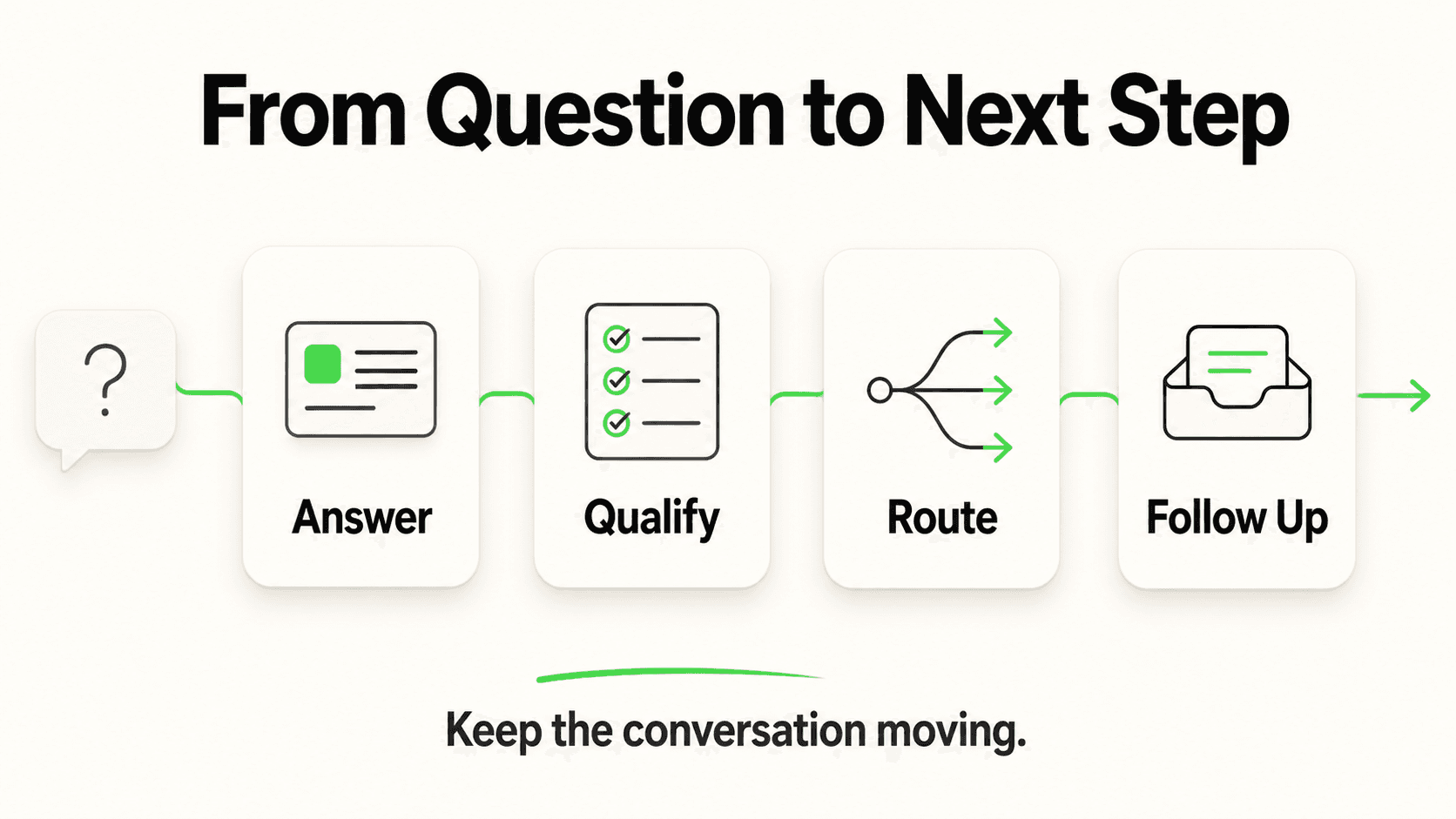
Per the client's disclosed results, Mysuru Zoo's AI assistant handled a 6x increase in visitor queries, answering in five languages, helping visitors plan routes through the park, and surfacing conservation content in conversation.
What kinds of questions does the assistant answer?
Practical visitor questions — timings, ticketing, directions, facilities, rules — plus animal-specific questions, route planning for a visit, and conservation content related to the animals visitors ask about. All answers are grounded in the zoo's own information.
How does route planning work?
Visitors describe what they want from their visit, and the assistant helps sequence it into a practical route through the park — turning the park's layout knowledge into a personalized plan rather than leaving first-time visitors to figure it out from a static map.
Why does five-language support matter for a public attraction?
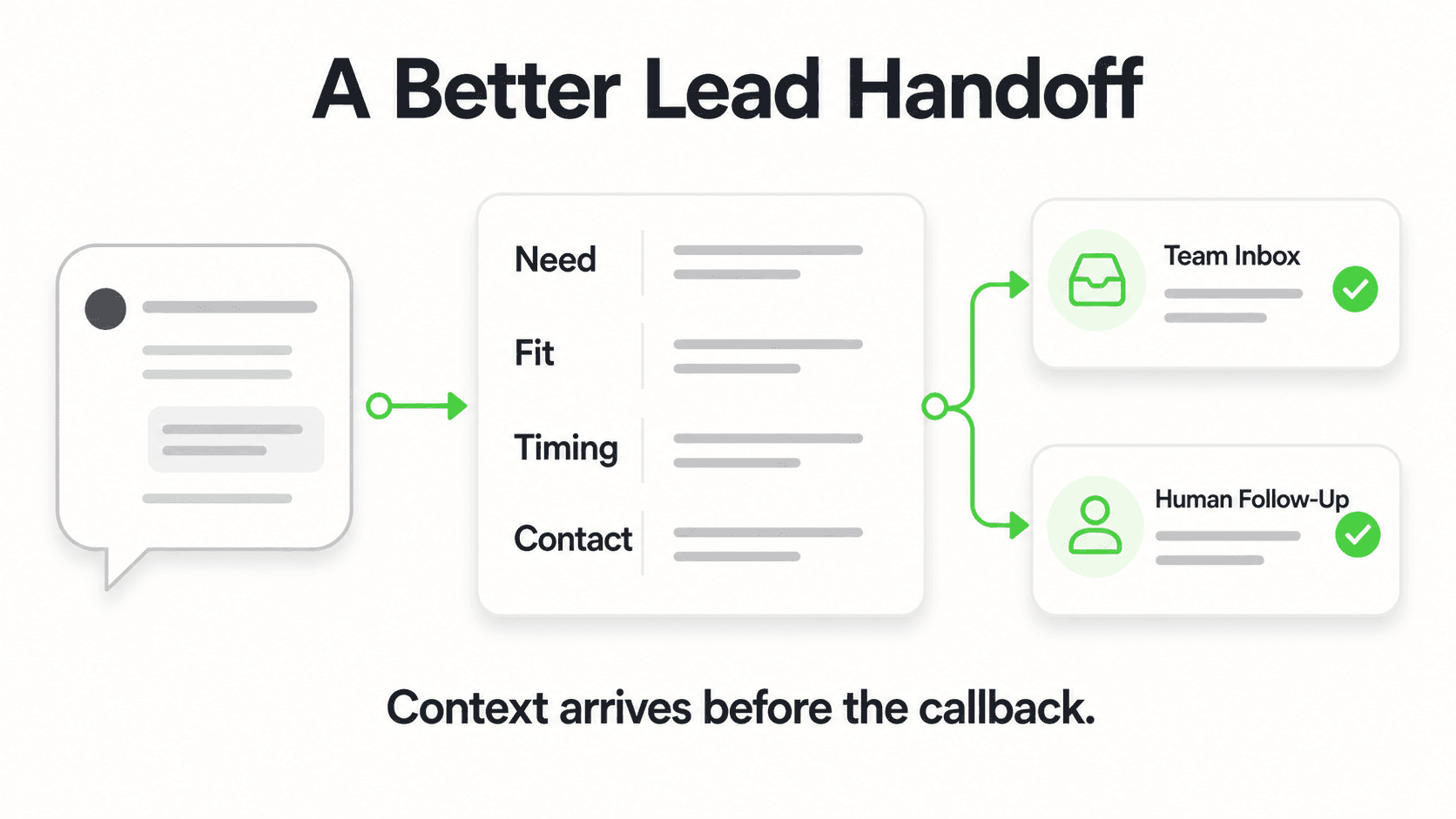
Because the audience is multilingual by default — local families, domestic tourists, and international travelers all visit the same park. Conversational AI makes language coverage a property of the system rather than of whoever happens to be staffing a counter. Hyperleap supports 100+ languages with automatic detection.
Does this replace zoo staff?
No. It absorbs the repetitive information load so staff attention goes to on-the-ground operations and visitor experience. The 6x query volume the assistant handles is mostly demand that staffed channels could never have served in the first place.
Can other government or public institutions use the same approach?
Yes — the pattern fits any public institution with high visitor volume and a fixed service budget: ground the assistant in official content, cover the languages your audience actually speaks, and let it do the repetitive answering at any hour. Typical results vary with visitor volume and content depth.
Give every visitor an instant, accurate answer
Trained on your own content, available around the clock, fluent in your visitors' languages.
Start Free TrialKeep exploring
- AI agents for travel and tourism businesses — the tourism playbook for high-volume visitor questions
- All Hyperleap customers — who else runs on Hyperleap
Related case studies & resources
- Jungle Lodges Case Study — 3,300+ leads in 90 days for a wildlife resort operator
- Ridhira Group Case Study — 7.5x queries handled across a wellness portfolio
- Campinground Case Study — 108% more direct bookings via WhatsApp
- Conversational AI examples by job-to-be-done — twelve deployment patterns, including visitor information
Industry Solutions
See how AI chatbots work for these industries:
Related Articles
Campinground Case Study: 108% More Direct Bookings
How a glamping and events venue used a WhatsApp-native AI agent to lift direct bookings 108% and capture 95% of weekend inquiries, per disclosed results.
Ridhira Group Case Study: 7.5x Queries Handled with AI
How Ridhira Group scaled to 7.5x more customer queries and a 92% improvement in booking conversions with a 24/7 AI concierge, per disclosed results.

How Jungle Lodges Captured 3,300+ Leads in 3 Months with AI
Real case study: Karnataka's premier eco-tourism enterprise deployed AI chatbots to capture 3,300+ leads in 90 days, with 35% arriving after business hours.

AI Chatbot ROI Calculator & Case Studies
Real-world case studies and ROI calculations showing the business impact of implementing AI chatbots — with verified numbers, payback windows, and lessons for SMBs.