Chatbots for Property Management: Pets, Maintenance, Tenants
AI chatbots answer pet policy questions from your lease documents and capture maintenance requests as routed tickets — 24/7, with no PMS integration required.
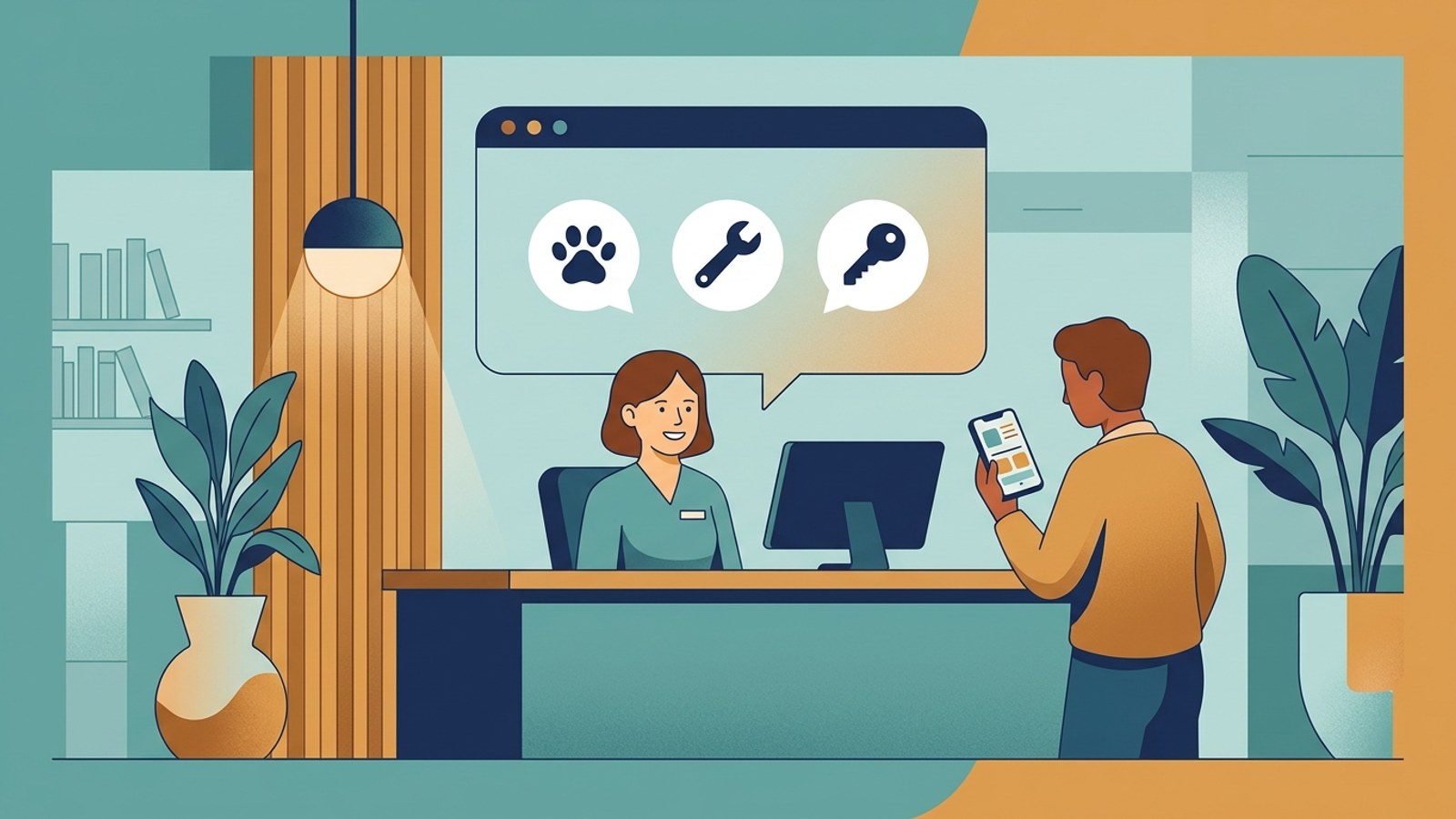
TL;DR: A property management chatbot answers pet policy questions instantly from your uploaded lease and community rules, and captures maintenance requests as routed tickets — sent to your team by email or webhook — 24/7. It does not hold a live connection to your PMS (no native Yardi or AppFolio integration), and it does not dispatch a vendor or close the ticket itself. It also handles showings and unit availability, application questions, office hours, and after-hours emergency routing to your on-call line.
A prospective tenant is scrolling listings at 9 PM. They like the unit, but they have a 60-pound dog and the listing doesn't say anything about weight limits. If your website chat can't answer that in the next thirty seconds, they move to the next listing that can. Later that same night, a current tenant's garbage disposal jams. They want to know if it's an emergency or a Monday-morning ticket.
Both are questions an AI agent for property management is built to answer — one from your policy documents, the other by capturing the request and routing it to the right person. Our broader guide on AI chatbots for tenant requests covers the full picture; here are the two questions property managers ask most.
How Do Chatbots Handle Pet Policy Questions?
A chatbot handles pet policy questions by answering directly from the pet policy language in your lease template or community rules document — breed restrictions, weight limits, pet deposits, and monthly pet rent — the moment a prospect or tenant asks, instead of making them wait for office hours.
You upload your actual policy: which pets are allowed, any breed or weight restrictions, the deposit amount, whether there's a recurring pet fee, and how many pets per unit are permitted. The AI answers from that document only. If a prospect asks "do you allow dogs over 50 pounds?" and your policy says no, the chatbot says so — it doesn't guess, and it doesn't apply a policy from a different property in your portfolio.
Where this actually saves time is qualifying a lead before your leasing team spends time on a tour. A prospect with three cats calling a one-pet-per-unit building learns that in the chat, not after driving over for a showing. A prospect whose dog fits the weight limit gets that confirmed and moves straight to booking — the chatbot shares your showing link, the same lead-qualification pattern used in AI agents for real estate.
For anything the policy document doesn't cover — a breed the policy doesn't mention, an emotional support animal request, an exception request — the AI says it doesn't have that answer and routes the tenant to your leasing office rather than improvising. Assistance animals in particular carry fair housing considerations that need a human decision, not an AI guess.
Can Chatbots Handle Maintenance Requests Too?
Yes — a chatbot handles maintenance requests by capturing the tenant's description, unit number, and urgency signal in the conversation, then creating a ticket that's routed to your team by email or webhook. It does not schedule a vendor, order a part, or close the request itself; a person on your team still does the actual dispatch.
This distinction matters, because "handles maintenance requests" gets used loosely in this category. Here's what actually happens end to end:
- A tenant messages "my kitchen faucet won't stop dripping" at any hour.
- The AI asks the clarifying details it needs — which unit, how urgent, is it actively flooding — using whatever intake questions you've configured.
- It logs the request and sends your team a clean summary by email, and fires a webhook event your systems can pick up if you've wired one.
- A human on your team reads it in the morning (or immediately, if it's flagged urgent) and does the actual scheduling — calling the plumber, confirming a time window, closing the ticket in your property management software.
What the AI is not doing in that flow is writing to your PMS. There's no native integration with Yardi, AppFolio, Buildium, or any other property management platform. If you want maintenance tickets to land inside your existing PMS automatically, that connection goes through the REST API and webhooks your developer builds on top — not something delivered out of the box. It's the same honest framing we use for dental practice management systems: the AI owns the messaging layer, your existing software owns the records.
Genuine emergencies get treated differently. A burst pipe, no heat in winter, a gas smell, or anything a tenant describes as actively dangerous gets routed straight to whatever on-call contact you've configured. The AI's job is to get the message to a human fast, not to decide how serious it is or dispatch anyone. Treat it as the fastest path to the person who is, not as your emergency dispatch system.
Everything Else a Property Management Front Desk Handles
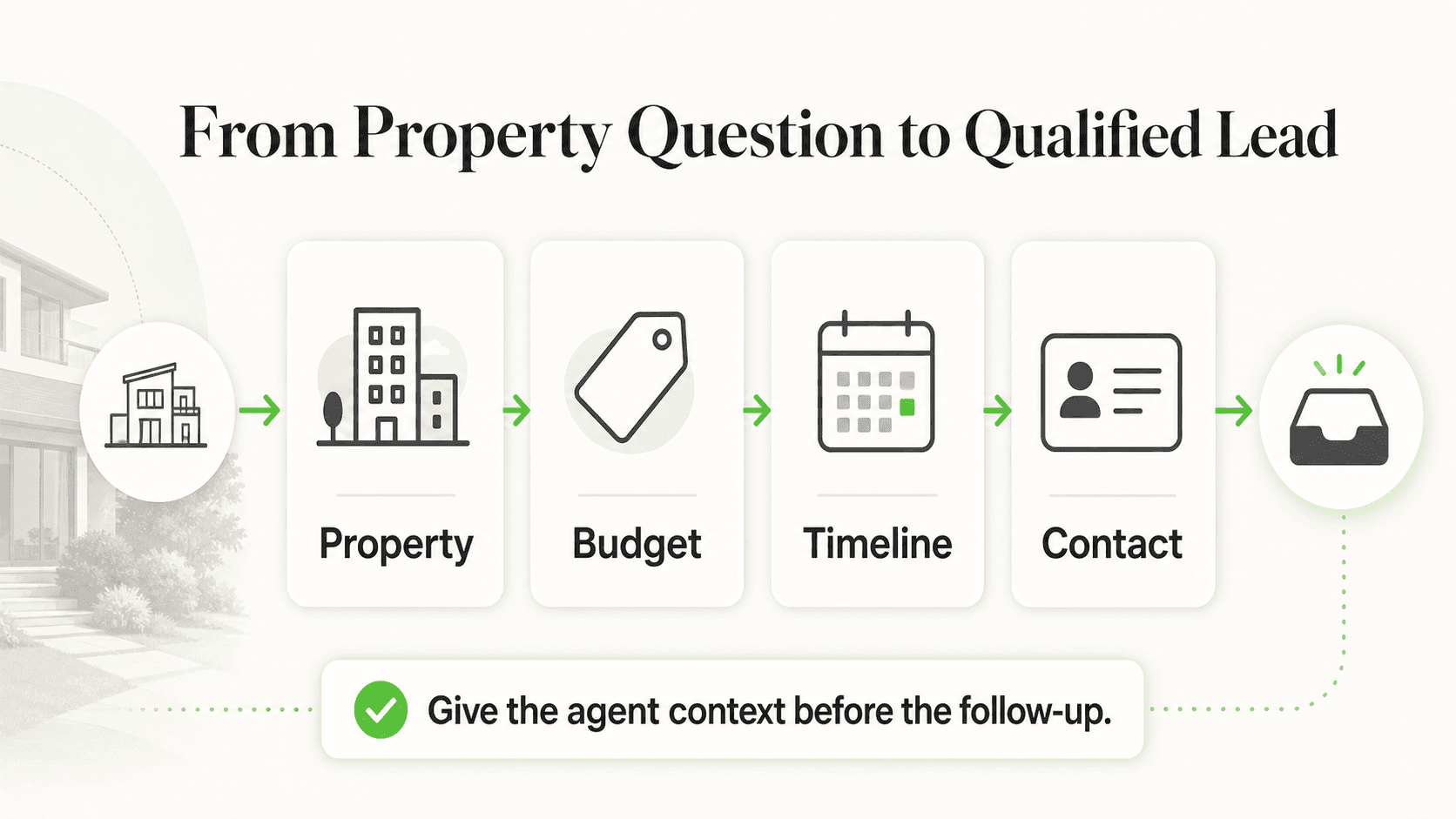
Pet policies and maintenance requests are the two most-asked categories, but a property management chatbot's job is broader. Here's the rest of what it's actually doing across a typical week.
| Job | What the AI Does |
|---|---|
| Showings and availability | Answers which units are open, rent and lease terms from your listing data, shares your showing/tour booking link |
| Application questions | Explains application requirements, fees, and documents needed from your posted process; does not process the application itself |
| Office hours and general info | Answers hours, office location, parking rules, amenity access from your documents, instantly, any hour |
| Lease renewal timing | States your renewal window and current term details; routes negotiation or exceptions to your team |
| Routing urgent issues | Surfaces your emergency contact for anything flagged dangerous or actively worsening |
| Multilingual tenants | Detects and replies in the tenant's language automatically, across 100+ languages |
| Lead follow-up after a tour inquiry | Keeps the conversation warm the way described in automating property inquiry follow-ups, without losing the personal handoff |
Every answer comes from documents your company has actually uploaded — floor plans, pet policy, application checklist, house rules, current availability. Nothing is invented or pulled from the general internet. If a question falls outside what you've given it, the honest answer is "let me connect you with the team," not a confident guess.
The Honest Boundaries: What This Chatbot Doesn't Do
A property manager evaluating this category gets burned by vague claims more than by anything else, so here are the limits stated plainly.
No native PMS integration. There is no built-in connection to Yardi, AppFolio, Buildium, RealPage, or any other property management system. Conversations live inside Hyperleap AI's dashboard and reach your team through email summaries and webhook events — a developer can wire those into your PMS, but that connection isn't shipped as a one-click feature.
Maintenance requests are captured, not dispatched. The AI logs the request and routes it. It does not call a vendor, schedule a technician, or close the ticket. A person on your team does the actual dispatch — the AI's job is making sure the request reaches that person immediately, instead of sitting in an inbox overnight.
Emergencies are routed, not triaged clinically. The AI recognizes urgency-signal keywords you've configured and immediately surfaces your on-call contact. It doesn't assess how serious the situation actually is. That decision stays with your team.
Tours book in the chat only through Calendly or Cal.com. With either connected, the AI offers open times and books the tour in the conversation (in-chat booking needs Calendly Standard or higher). With any other scheduler, it shares your tour link. It never holds a slot.
Voice is not part of this. Everything above runs on messaging channels — website chat, WhatsApp, Instagram DM, Facebook Messenger. A tenant who calls your office reaches your existing phone setup; voice is on the roadmap. See AI agent vs. chatbot for the fuller distinction.
None of this makes the chatbot less useful — it makes the useful part honest. The value is speed and consistency on repetitive questions, and never letting a maintenance request sit unacknowledged overnight, the same always-on principle behind conversational AI for customer service generally. The judgment calls — vendor relationships, lease negotiation, tenant disputes — stay with your team, with the AI receptionist role limited to the messaging layer in front of it.
For the full evaluation checklist and pricing breakdown, see property management chatbot: a buyer's guide.
FAQ
Do tenants need to download an app to submit a maintenance request?
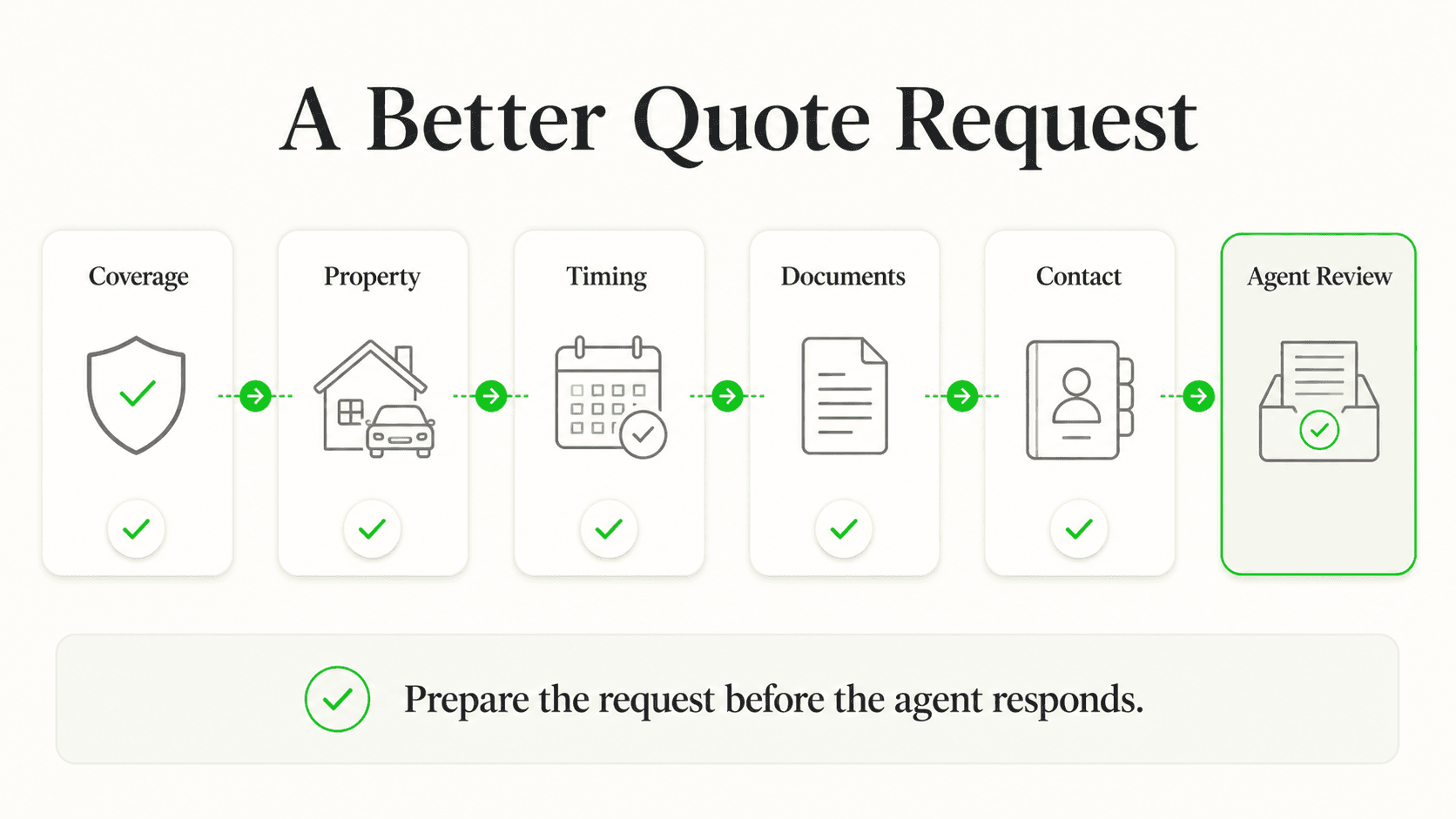
No. Tenants message through channels they already use — your website's chat widget, WhatsApp, Instagram DM, or Facebook Messenger. There's no separate app to install; the AI captures the request in the same conversation window the tenant is already typing in.
Can the chatbot tell a prospective tenant the exact pet deposit amount?
Yes, if that amount is in the pet policy document you've uploaded. The AI states figures exactly as written in your documentation — it doesn't estimate or average across properties in your portfolio. If your pet deposit varies by property or unit type, upload that detail so the AI can answer it correctly for the specific listing being discussed.
What happens if a tenant asks about a support animal that isn't covered by the standard pet policy?
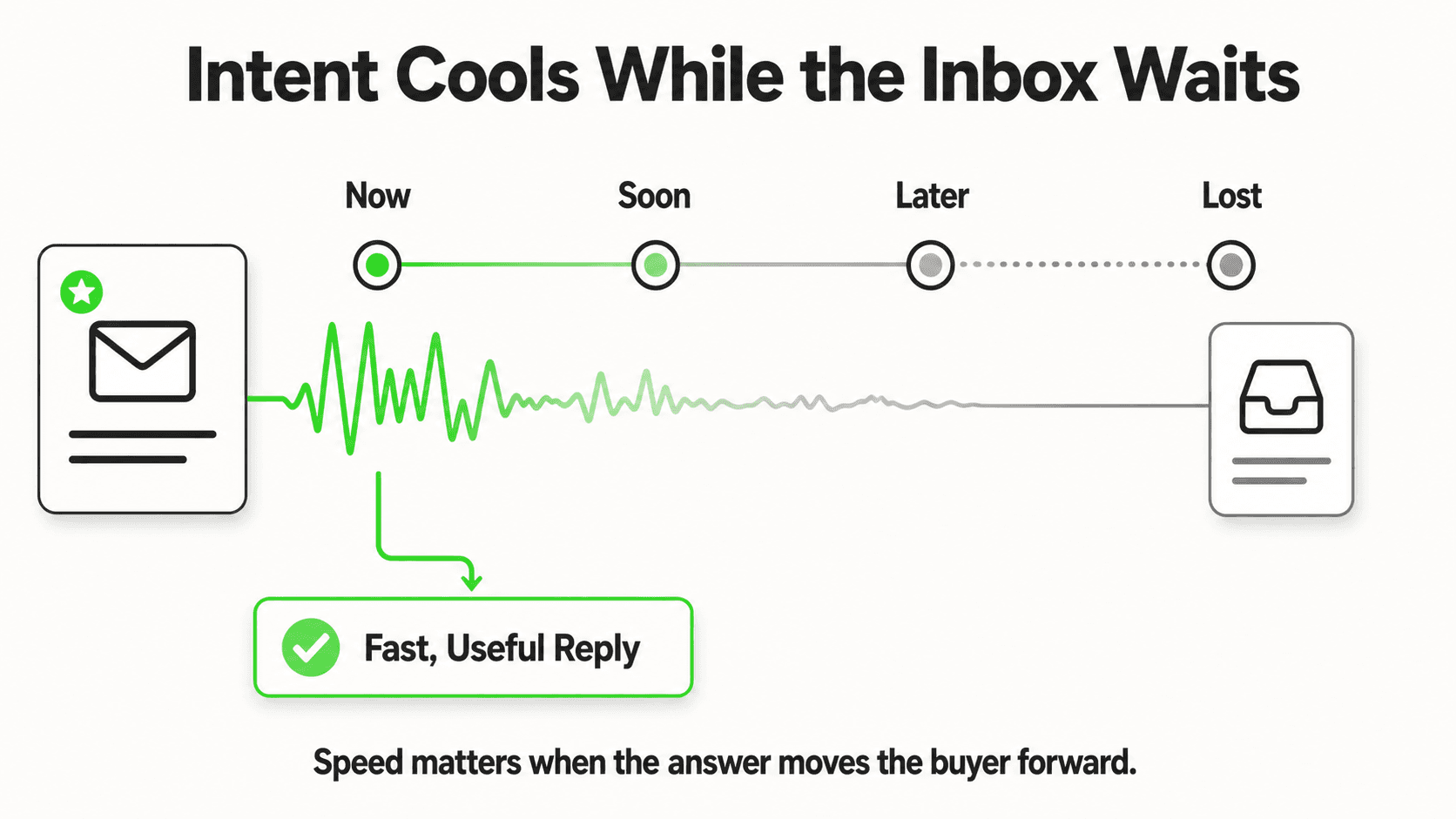
The AI recognizes that this falls outside a routine pet-policy question and routes it to your leasing office rather than answering from the general pet policy. Assistance and emotional support animal requests typically involve fair housing considerations that need a human decision, not an automated one.
Does the AI decide which maintenance requests are emergencies?
It flags requests using urgency keywords your team configures — words like "flooding," "no heat," or "gas smell" — and immediately routes those to your on-call contact. It does not make the clinical or safety judgment call itself; that decision belongs to whoever receives the routed alert.
Is this the same as a live chat tool with a human answering?
No. Live chat requires a person on the other end in real time. This is an AI agent that answers from your uploaded documents around the clock, including the hours no staff member is at a keyboard, and hands off to a human whenever the question needs one.
Industry Solutions
See how AI chatbots work for these industries:
Related Articles

AI Chatbot for Property Managers: Tenant Requests 24/7
How AI chatbots handle routine maintenance, lease, and availability inquiries 24/7 — and lighten the load on property managers.

Wedding Venue Tour Enquiries: A Question Pack
Prepare better wedding venue tours with questions on date flexibility, guest range, event shape and priorities, plus a copy-ready host handoff.

Conflicting AI Sources: An Owner Review Workflow
Resolve conflicting chatbot knowledge with a source register, named decision owner, approved replacement and repeatable tests for the disputed answer.

AI Front Desk Holiday Hours and Escalation Playbook
Prepare holiday hours, honest response windows and clear escalation contacts with a practical AI front desk source sheet and review checklist.